Komal Saim May 4, 2026


Komal Saim May 4, 2026

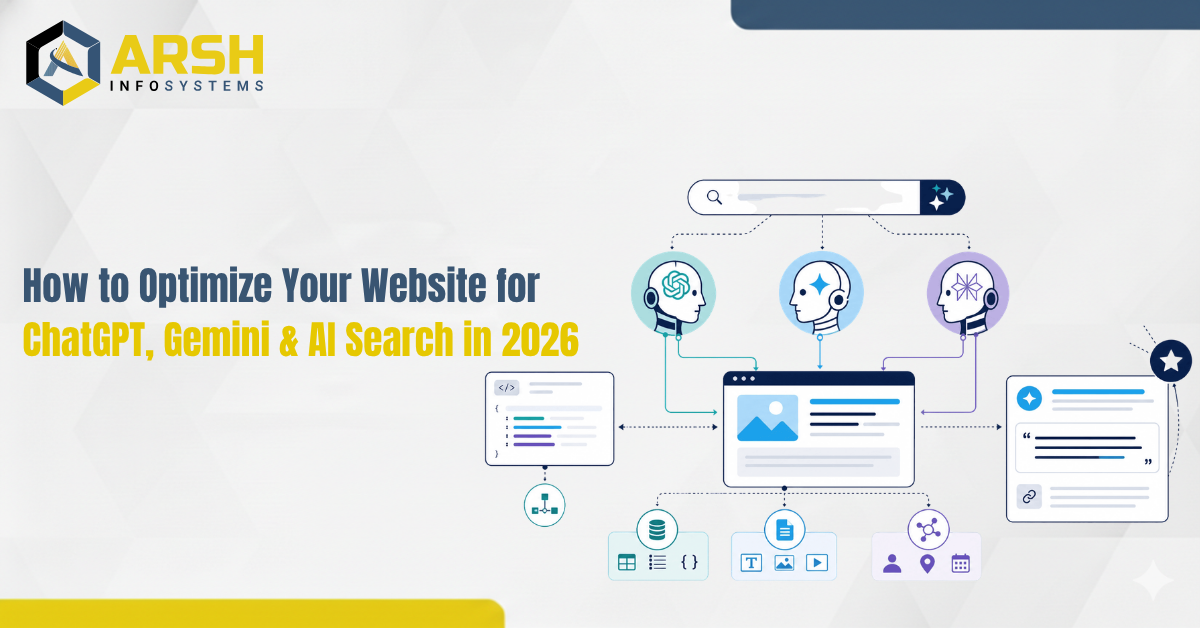
A common misconception is that in order to get content referenced by AI tools you need to be creating tons and tons of new content․ In reality‚ many sites have content that already does this‚ it just hasn't been structured in a way that AI tools can read correctly․ This is exactly where Lazy GEO comes in․
Lazy GEO is focused on small calculated wins by optimizing and increasing the visibility of existing content in AI-generated outputs‚ such as ChatGPT․ It is not focused on content calendars but instead on optimizing and refining the content you already have․
You can also get a good understanding of these terms and how they are used in practice by hiring a digital marketing agency in Mumbai that specializes in practical usage․
As search engines evolve to be powered by AI‚ ensuring that existing pages are more clear‚ authoritative and trustworthy presents a clear opportunity․ Here are 7 simple Lazy GEO actions to take this week․
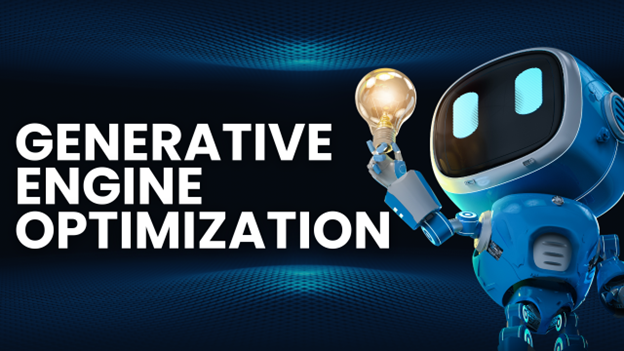
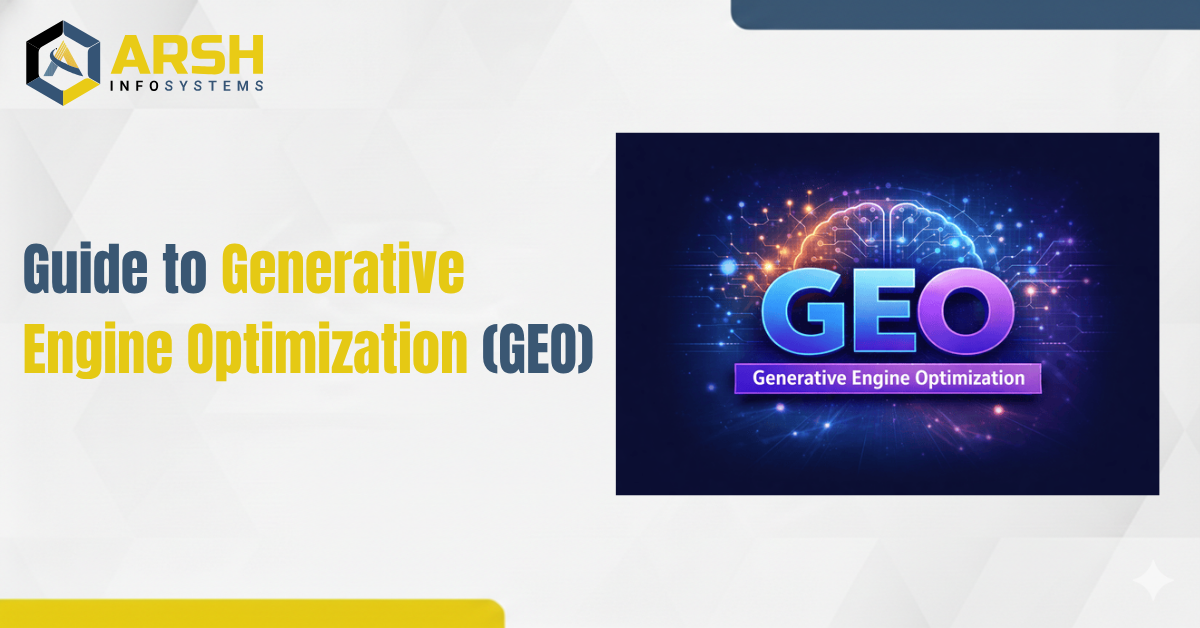
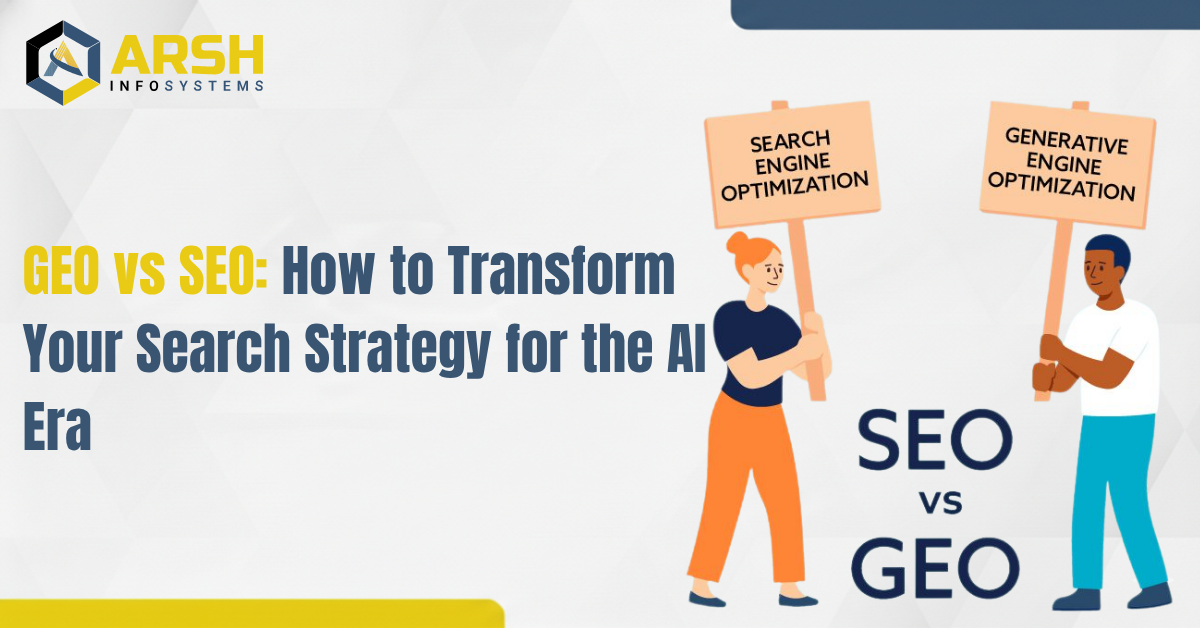
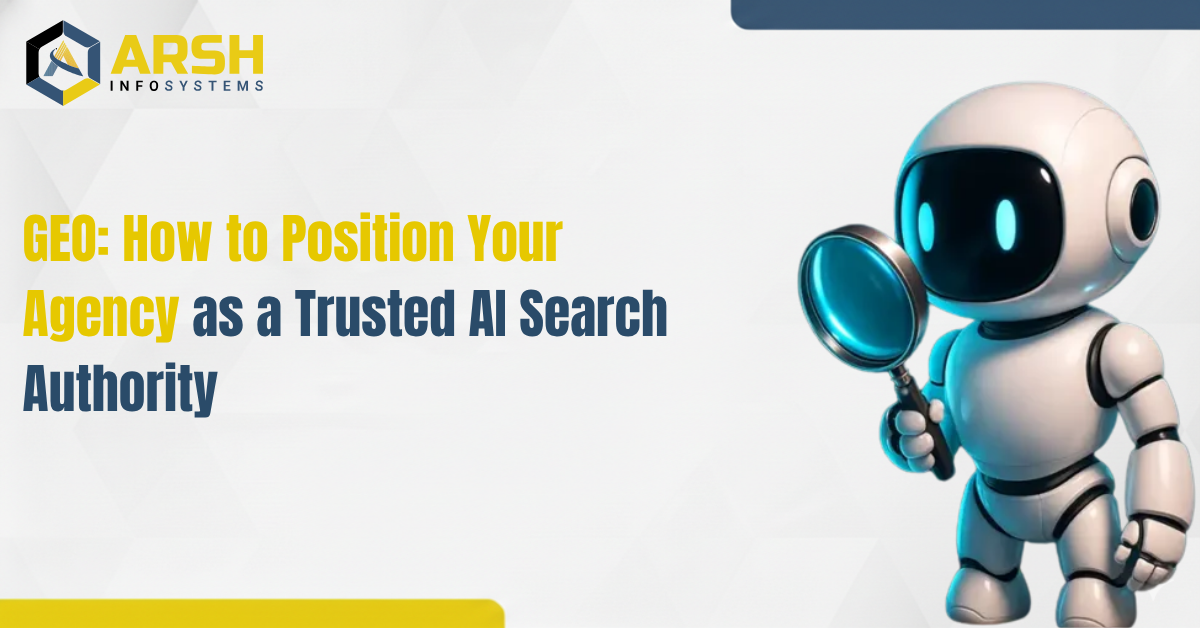
Lazy GEO is just-in-time optimization for your existing pages that prepares them for small changes to increase the chance of getting your content to appear in AI tools․ GEO‚ Generative Engine Optimization‚ is the next evolution of SEO in a generative search world․
While customary SEO aims for better ranking in the search results‚ GEO seeks to make it easier for AI systems to understand‚ trust and reuse the content in their answers․ For data sources like ChatGPT‚ it is less about ranking and more about retrieving and summarizing the information․ Lazy GEO on the other hand stores the contents in such a way that it is․
Most AI models are trained to prefer clear‚ trustworthy‚ and accurate content․ Content that ranks well in AI-generated responses often has the following qualities:
The good news: you don't have to start from scratch․ Many of these pages exist already‚ but may require restructuring where the information is already available․
The third way is through citations․ When an AI tool cites your website or business as a source‚ it builds trust․ Identifying a source makes answers much more credible to users and allows your business to be seen as an authority․
It's like getting ranked for a featured snippet in search‚ but even better‚ because AIs are often the first interface the user has with any question or subject․
Benefits of AI Citations
Think of Lazy GEO as a smarter way to work with what you already have‚ turning your existing content into a reliable source that AI systems want to reference․
The top portion of your page is typically the most important area for users and for AI models․ When AI models (such as ChatGPT) read a web page‚ they usually look for information at the top․
If your introduction is too vague or slow‚ you will not be mentioned in the end․
What your opening should include:
Example:
Weak opening:
“Welcome to our blog where we discuss various aspects of marketing…”
Strong opening:
“Lazy GEO is the process of optimizing existing content so AI tools can easily understand and reference it in their responses․”
The second version works because it is clear‚ direct and actionable․
Most AI searches consist of questions‚ and pages that answer those questions earlier on their page will be much more valuable․
What is a Quick Answer Box?
A section in the top third giving precise answers for the most common queries․
Include questions like:
Use FAQ schema on appropriate pages as this can help search engines and AI better understand the meaning of your content․
Your audience comes in with objections already in mind‚ so address them․
Common concerns to cover:
Why this works:
AI systems will be based on what real people are asking‚ so it is to our advantage to include objections in our content․
EEAT tip: When compiling your FAQs‚ use questions found in emails‚ sales calls‚ or conversations with clients․
AI tools are often asked to compare choices‚ so comparison content is particularly effective․
High-impact ideas:
Examples for a marketing company:
These formulations are well suited to recommendation-style AI queries․
Internal linking helps users and AI understand your structure․ Related pages also gain authority from topical relevance․
What to improve:
Example:
Instead of: "Click here for more details․"
Learn how Lazy GEO improves AI visibility․
It builds stronger connections to the context of your content․
AI systems need to know who you are․ An entity block can help․ Create your brand․
What to include:
Example:
About Arsh Infosystems:
Arsh Infosystems is a Mumbai-based digital marketing agency that provides qualified leads through search engine optimization‚ paid advertising‚ and content marketing․
Why this matters:
It helps the AI connect your brand to relevant topics and builds trust․
Cite Sources and Add Proof Sections
Data and its results are key to trust․ Trust drives visibility and the consequent improvement of content․
Add credibility with:
Example proof points:
EEAT advantage:
This indicates actual experience rather than opinions․
Even good content can fail due to small details:
A service-based business rewrote three pages optimally‚ implementing the Lazy GEO principles․
Changes made:
Results within 2 months:
Lazy GEO proves that you don’t need to reinvent your entire content strategy to stay relevant in an AI-driven search landscape—you just need to refine what already exists. By making your content clearer, more structured, and more trustworthy, you significantly increase its chances of being picked up and cited by AI tools like ChatGPT.
The real advantage lies in consistency and intent. Small improvements—like adding FAQs, strengthening internal links, or showcasing proof—compound over time and position your brand as a reliable source. As AI continues to shape how users discover information, businesses that focus on clarity, credibility, and usability will naturally stand out.
Copyright © 2026 All Rights Reserved By Arsh Infosystems.
Reviews On 
Years experience
Satisfied clients