Komal Saim Dec 30, 2025


Komal Saim Dec 30, 2025
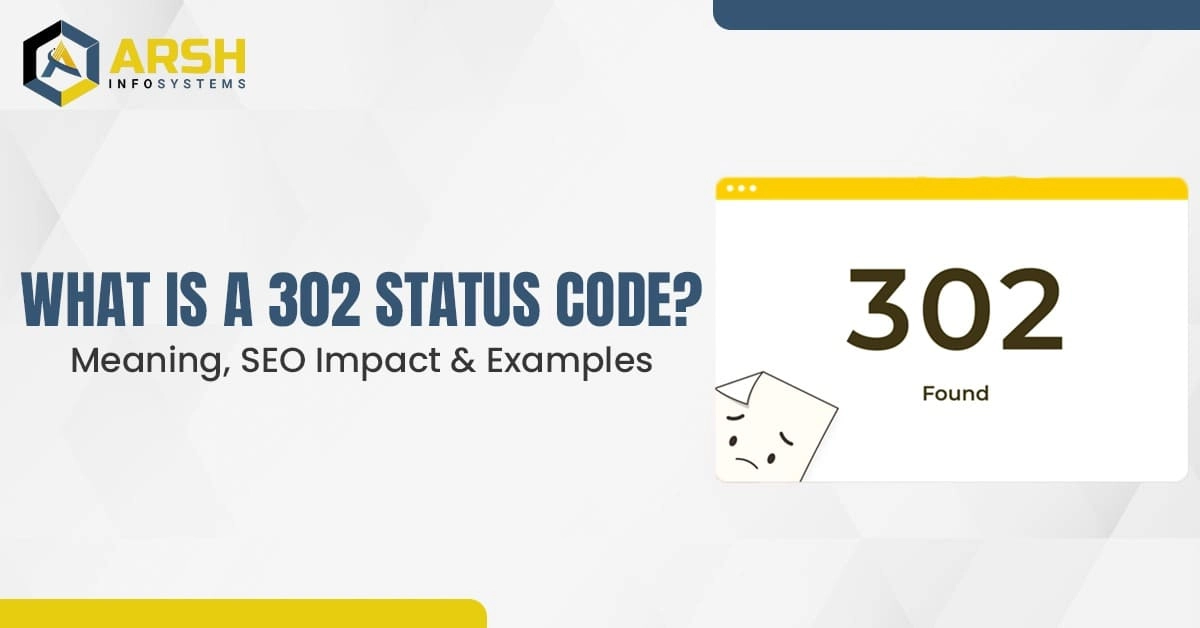
Everything might appear to run smoothly when you visit a website, but in the background, your browser and the server are in constant communication with each other, with the use of HTTP status codes. These status codes are like a message to your browser informing it of whether a page is loading, it has moved, or the page is unavailable. The 302 status code is one such code that tends to puzzle the owners, developers, and marketers of websites.
It is not only you who redirected a page temporarily or saw the message 302 Found in an SEO tool, such as Google Search Console, Ahrefs, or Screaming Frog. Most of the businesses blindly make use of the 302 redirect without the full awareness of how the redirect affects ranking, traffic and user experience.
This blog will make you realise what the status code of 302 really means, how it operates in the background, how it impacts search engine optimization and what the conditions are under which it should be applied without compromising the visibility your site has in Google search engine.
We routinely inspect websites at Arsh Infosystems, whereby traffic losses are not due to bad content, but rather due to improper use of redirects. The interpretation of a simple status code, such as a 302 code, can go a long way in the way search engines will view your site.
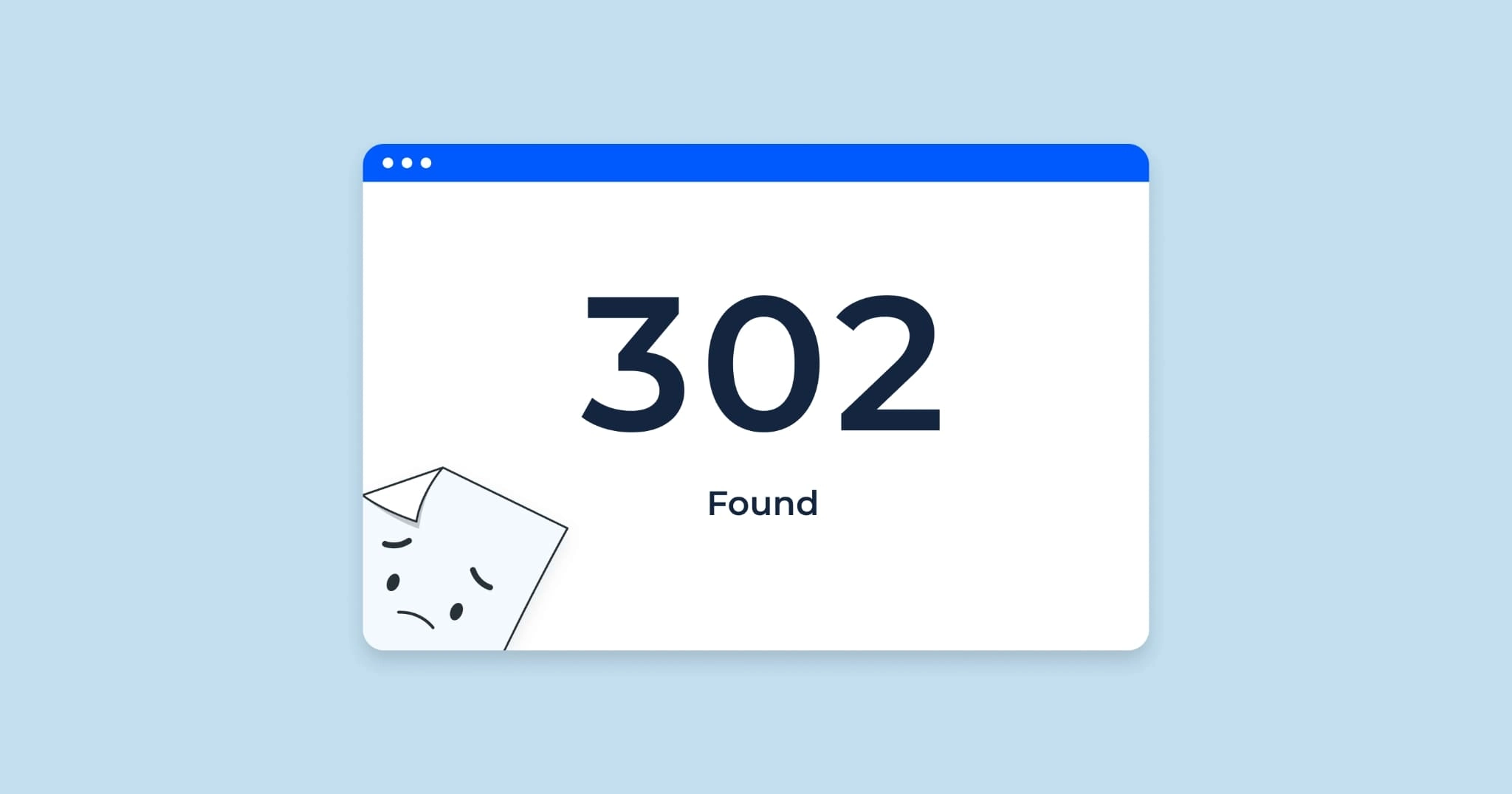
The status code 302 indicates that a page has been temporarily transferred to another one. It is what the site is trying to say: that this page will not be here at this moment, but it will be here soon.
The original page is not replaced and it is still in existence. The new page is simply a temporary detention till the situation returns to normal.
It is far apart as compared to a permanent redirect, where the old page is permanently out of place and the search engines are informed to concentrate on the new one.
As long as someone opens a page on your website, there occurs a silent dialogue occurs between the browser and your server. You cannot see it, but it is always there. To make it easy, the server responds with brief numerical messages known as HTTP status codes.
Rather than fully describing what is happening with the page, the server simply sends a numeric value to indicate what is happening to the page: is it loading, has been redirected to another page, or is no longer there.
Consider these codes as short codes that direct users as well as the search engines.
The following are some of the status codes that you might most likely come across and what these status codes actually mean in normal language:
This is the most appropriate answer your page can give. It is an indication that the page loaded successfully. This can be seen as a healthy page as search engines are fond of seeing this as it is a sign that the page is healthy and is ready to be listed.
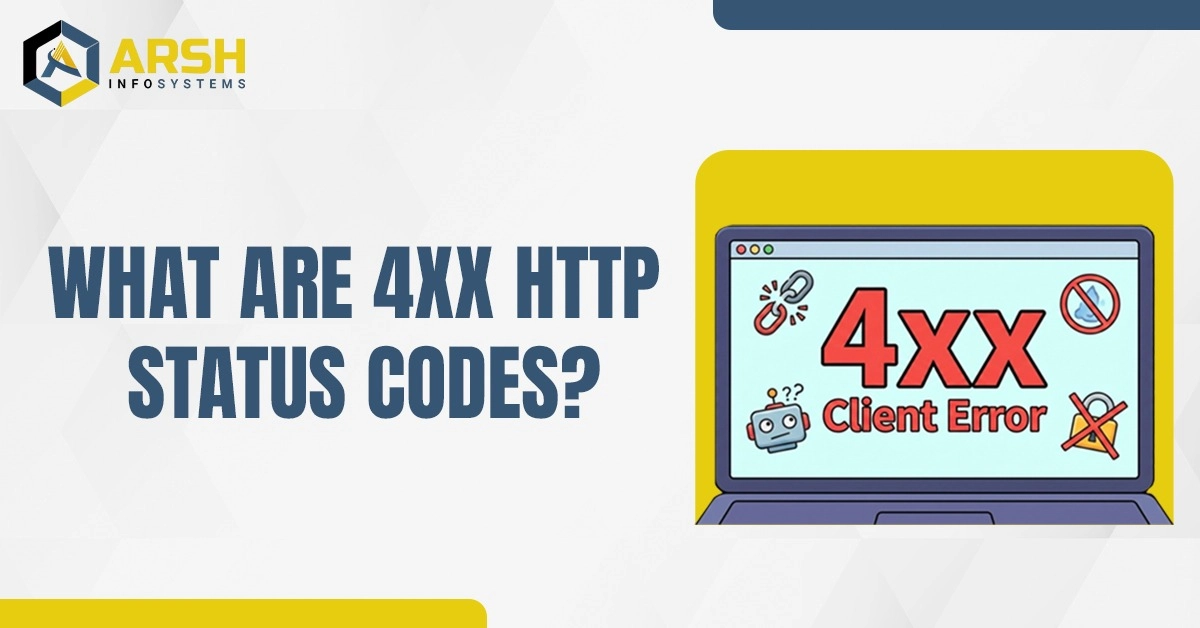
You have most likely encountered this one. It is displayed when a page is lost or the connection is lost. A 404 error is not a serious problem, but multiple ones may disorient the visitors and irritate search engines.
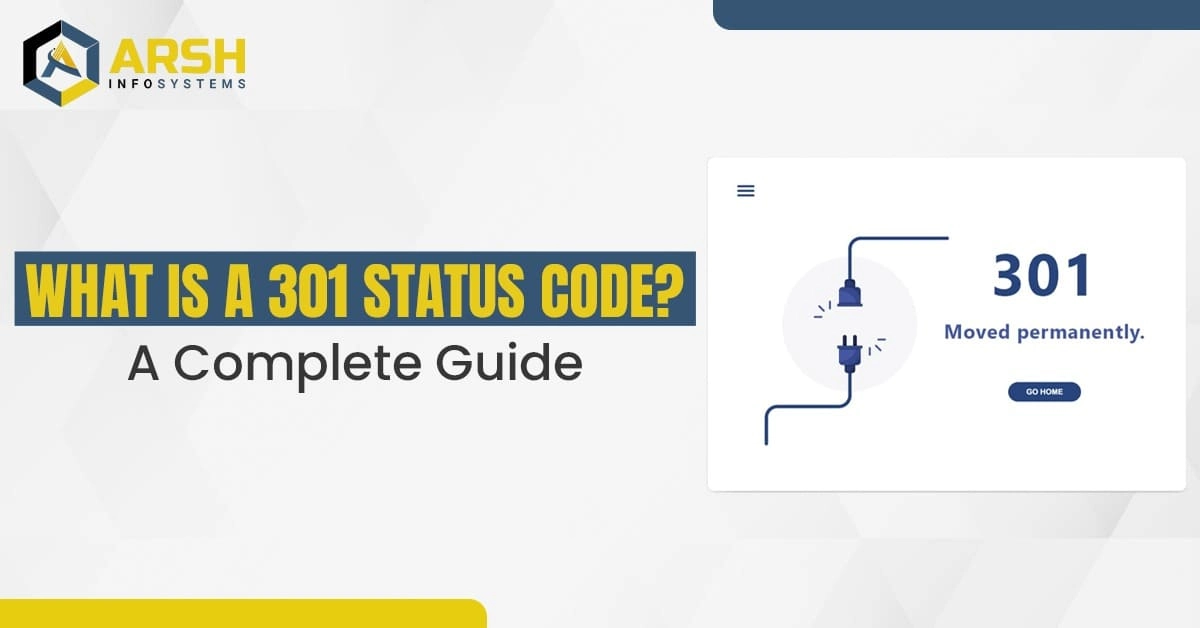
A 301 is tantamount to saying, "We have moved permanently. It is a command to search engines to abandon the old page and move on to the new one. It is usually applied in cases of redesigning a website or replacing pages.
A 302 status code does not imply that the page has disappeared permanently, but it is only temporarily loaded at a different place. The old one will be back, and it should be remembered by the search engine.
| Features | 301 Redirect | 302 Redirect |
|---|---|---|
| Permanence | Permanent | Temporary |
| SEO link equity | Mostly passed | Usually not passed |
| Search engines update the URL | Yes | No, keeps the original URL indexed |
| Use case | Page permanently moved | Temporary promotions, maintenance |
SEO-wise, redirects are not simply technical configurations that operate behind the scenes; rather, they have a significant impact on the way Google perceives, searches and ranks your website. A minor error in redirects could send the wrong signals to the search engines and interfere with the performance of the site in the long run.
When Google encounters a 302 redirect, it tends to know that the process is temporary. Due to this, Google acts in a different manner than a permanent redirect.
In most cases, Google will:
It would be reasonable in such cases where the redirection of a page is only temporary. There are, however, issues that may occur when 302 redirects are not correctly formatted or used for too long.
Temporary redirects that are maintained over months or even years can be confusing to the search engines. Google will not be able to determine which URL to rank and as a result, some SEO related problems will arise, including:
To the business, this may translate to losing leads, visibility, and development opportunities, particularly to competitive keywords. Most websites have the assumption that it is their content or their backlinks that are the problem, but in actuality, the problem is the misuse of redirects.
A 302 redirect is not an issue; it just should be applied at the correct time. It is supposed to be used in a case when the change is short-lived, not permanent. When properly applied, it can make the user find the correct page and not disorient search engines.
The following are just some of the daily scenarios in which a 302 status code would be perfect.
A page should be fixed, sometimes in a hurry, changed, or designed. A 302 redirect may serve to redirect the visitors to a different page that is relevant, albeit temporarily, instead of displaying an error or deleting the page. After the work has been done, the initial page can be restored without interfering with the Google ranking.
When you are on a festive sale, flash deal or special campaign, a 302 redirect will prove to be a wise option. It will temporarily redirect the visitors to the offer page and then back to the original page as soon as the campaign is over, without losing the SEO value of the original page.
Testing versions of a page to determine which one would be more effective is a type of experiment that can be safely conducted with the help of a 302 redirect. It allows you to display other pages to users while informing the search engines that nothing is permanent.
Various visitors might be required to view different content depending on their country, language or device. This is easily accommodated by a 302 redirect that modifies the experience of your users but does not impact your main page in search results.
Temporary redirection is usually required on pages that are developed on a seasonal, event, or holiday basis. A 302 redirect ensures that your site returns to normal after the season finishes.
Use of a 302 redirect is only effective in instances where it is actually temporary. The issue starts going off when websites do not turn these redirects off after some months or years. When it occurs, Google will get mixed messages regarding which of the pages should be considered as the main version.
Search engines anticipate that temporary redirects are to be temporary. Unless they are fixed promptly, it may slow down indexing, de-emphasise ranking indicators and hurt visibility.
As time goes by, Google will find it tough to determine which URL to rank and hence fluctuations in the search performance as well as sudden drops in traffic.
At Arsh Infosystems, it is quite common to find that websites that lose ranking do not have content or backlink issues, but instead, they have redirect issues. These problems are easily corrected and the results may be realised quickly.
Redirect management can be called a minor technical issue, although it is a potent factor in the success of SEO. At Arsh Infosystems, redirects are not an appendage of the optimisation of the websites.
Be it a small business website, a corporate website or a huge B2B platform, the correct application of redirects will gain credibility with the search engines. Signals also allow Google to get to know about your website structure, sort out your pages and provide steady organic growth.
A 302 status code can be seen as a minor technicality, but in terms of search engine interpretation of your site, it is way more significant. A 302 redirect is a good tool to use when implementing temporary changes, e.g. maintenance, promotion, testing or seasonal content, without damaging your SEO.
But the issues arise when temporary redirects are not closed after a long time or when they are applied in cases when a permanent redirect is needed. This may disorient Google, undermine ranking cues, create problems in indexing and ultimately result in loss of organic traffic.
Copyright © 2026 All Rights Reserved By Arsh Infosystems.
Reviews On 
Years experience
Satisfied clients