Komal Saim Dec 16, 2025


Komal Saim Dec 16, 2025
SEO did not stand still, but the change that we are experiencing as we go into 2026 is more radical than any other. The old forms of SEO that were so SEO-centric, with deep attention to key-words and back-links as well as blue-link marketings, are not sufficient to maintain the presence any longer. Search engines are becoming answer engines, AI systems are transforming the way people find information and users access content on various platforms before they even visit a Web site.
By 2026, all of that concerning ranking in SEO will have been rendered irrelevant as the search process becomes omnipresent to your audience. Whereas AI created summaries and voice assistants or social media and community forums, the new visibility is based on trust, consistency of intent, and machine-readable content. The change is perceived by us at Arsh Infosystems as an opportunity of allowing brands to gain more power through digital means as a result of matching search engine strategies with actual user experience and the new technology of search.
User-generated content (UGC) is no longer a side-show to the digital marketing it is becoming a pillar of the performance of search-engine optimization. Within the next 2026, search engines and AI-based discovery platforms will be more dependent on actual user interactions to determine credibility, relevance, and trustworthiness.
UGC may comprise reviews, testimonials, discussion forums, question and answer threads, social media commentary, community posts, small videos and even user uploaded images. These formats come with more genuine insights that cannot be duplicated by brand-created content. Consequently, UGC is currently having a direct influence on the way of how a brand is represented in search results and AI summaries or chatbots search replies.
Why UGC Matters in 2026
With the development of AI systems, they are trained to distinguish real human experiences and not well-crafted marketing words. As opposed to a classic branded content, UGC displays raw opinions, actual challenges and real-life examples of use-cases- which are extremely beneficial to the contemporary search algorithms.
1. Experience-based conversational language is preferred by AI systems
The comments and reviews left by users tend to resemble the way individuals query and thus are the most suitable voice search and conversational artificial intelligence queries.
2. Expertise and authority are authenticated by reviews and discussions
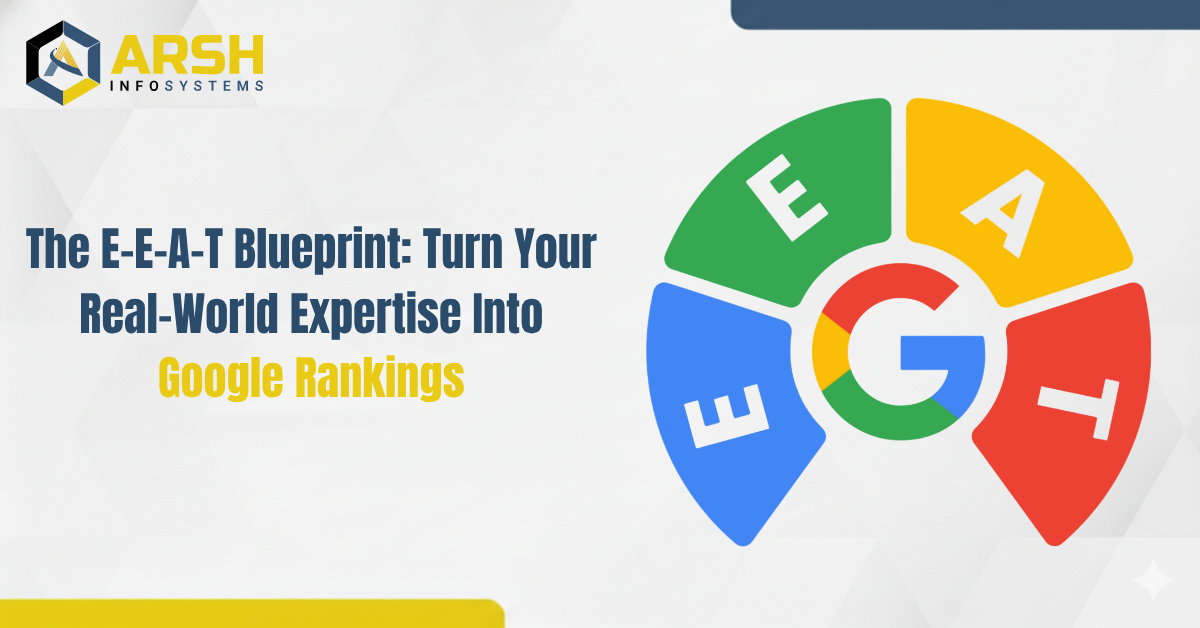
Constant favorable feedback on platforms enhances E-E-A-T (Experience, Expertise, authority, and Trust) of a brand, which is the key to ranking in competitive niches.
3. Long-tail and intent-based searches are consistent with UGC
Users phrase issues in their own language, which helps brands uncover extremely narrow, high-intent searches through smarter keyword research queries that traditional keyword strategies often fail to identify or capture.
4. answer engines and AIOverviews are based on consensus signals
The fact that search engines cross-reference on several opinions of the users to buy reliability means that wide scale UGC is a good ranking and citation factor.
UGC has an impact on organic rankings in 2026, but not only. It plays a role in:
This implies that UGC has direct impact on the frequency of when your brand is mentioned even though users do not visit your website.
Marketers that want to maximize this trend should not just passively collect but implement a systematic UGC policy.
1. Energetically promote customer reviews
Ask reviews in major point of contact points, like post purchase, onboarding or support resolution. Pay attention to Google, niche-related websites, and reliable review websites.
2. Add customer stories and testimonials to the main pages
The inclusion of UGC on product, service and landing pages enhance trust and dwell time and conversion rates.
3. Be involved in discussions and forums
Participate in genuine industry forums, Reddit communities, LinkedIn communities, and question boards in order to gain visibility and authority.
4. Recycle UGC to SEO materials
The social media remarks, user questions, and reviews can be converted into FAQs, blog content, comparison materials and AEO-optimized answers.
5. Prepare moderate UGC and structure it so that it is machine readable
After utilizing schema markup, clear headings and structured layouts, make user-generated insights easily understandable by search engines and AI models.
Keywords continue to be a significant part of an SEO strategy, although in 2026, they will no longer be the foundation of the successful approach. AI-driven and machine-learned search engines have become very advanced in their ability to know the intent of the user, the true meaning of the search query. Modern SEO, rather than concentrating on the exact matching of the keywords, considers the reasons why a user is making a search and the result they want.
This change is a significant departure of the old-fashioned key-word first optimization. Brands still trying to pursue volume-based keywords without intent clarity run the risk of developing a piece of content that will be ranked quickly, but not converted or consumed.
The 2026 search intent is way beyond the traditional informational, navigational, and transactional types. Search engines that are driven by AI are now able to consider a complex of behavioral, contextual, and conversational cues to decide what the user really desires.
1. User behavior patterns
The search engines can learn how satisfied the content was to the intentions of the user by use of click-through rates, dwell time, scrolling behavior and follow up actions.
2. Query context and history
To narrow intent interpretation, AI systems use past searches, location, device and even time of day.
3. Conversational and follow-up questions
A significant number of searches are being undertaken as a conversation, particularly on AI chat interfaces and voice search. Engine search engines use the sequential results of one question to other questions.
4. Content format preferences
Videos, tables, short answers, step-by-step directions, or long explanations may be favored by the user depending on his intention.
To illustrate, such a search query as the best CRM software may seem straightforward, yet the purpose behind it can be extremely different. The user might be looking for:
The search engines now strive to give the correct format and not merely the correct match of key word.
An intent-first approach matches contents with real user requirements leading to:
The content generated by the keyword-first SEO is usually ranked highly, yet will not satisfy the searcher. Intent-first SEO, however, is more problem solving oriented and this is what the search engines reward.
The success of intent-first SEO in 2026 would require a systematic method whereby the marketer puts the user needs at the core of content development.
Begin with knowing the way your audience will respond to your message- be it in awareness, consideration and decision. Every step is accompanied by specific questions, feelings, and anticipations.
Awareness stage: "What is...?", why does... matter? Consideration stage: "Best options" "Comparison" "Pros and cons" Decision stage: Pricing, Reviews,Alternatives.
Rather than the single-keyword optimization, the related queries of the same intent should be grouped. The clusters aid search engines when it comes to searching topical depth and contextual relevance.
For example:
The form of content is very important in fulfilling purpose. In most instances, format dictates the material to be exposed in the AI search or in the top banners.
The search engines that use AI prefer natural and human-sounding content. Keywords should not be overused but should be clear, simple, and relevant. Use:
AI Overviews and conversational search results are dependent on intent satisfaction in 2026. Information that has a clear answer to the queries of the users, predicts follow-ups, and offers well-organized insights or information has higher chances to be referred or summarized by AI systems.
That is why intent-first SEO is necessary to Answer Engine Optimization (AEO) and visibility in the zero-click search format.
The traditional search engine result page (SERP) where ten blue links were the order of the day, is quickly fading away. In the future, search results are very fragmented and are presented in various formats, platforms, and artificial intelligence interfaces (AI). The users no longer need to scroll, click, or visit a site in order to get the answer.
This has caused the change where SEO cannot be limited to a single page any longer but to an entire ecosystem of discovery points.
The search engines that are powered with AI are aimed at minimizing friction and providing value as quickly as possible. They do not have to direct its users to navigate through several links and instead pop up the most viable answer immediately and may be sourced through more than one authoritative source.
Consequently, the new visibility is determined by the level of performance of the content in the different formats not by the position.
It is a good idea to be ranked at the top in 2026 because the ranks are not a guarantee of the maximum exposure and traffic. In most instances, the users might never hit the organic results when AI Overviews or featured snippets meet the intended purpose.
For marketers, this means:
Those that only depend on the traditional measure of SEO risk irrelevance, whereas the ones that are able to adjust to the multi-surface visibility get an advantage over their competitors.
Multi-surface visibility implies that your brand is visible everywhere that users are searching such as:
The surfaces serve various purposes in the user experience.
For example:
A proper search engine optimization plan in 2026 will secure coordinated presence in all these touch points.
Marketers in a fragmented SERP environment can only succeed in this market through a diversified optimization strategy.
1. Adopt Structured Data and schema Markup
Schema markup assists search engines with the interpretation of the context of your content and enhances the chances to be eligible to get rich results, featured snippets, frequently asked questions and AI summaries.
Focus on:
2. Optimize Content for Snippets and Quick Answers
Content should provide:
This enhances the visibility of featured snippets, PAA boxes and voice responses.
3. Develop Video and Video Resources
Videos and pictures will be critical in attention grabbing on search and social engines. Before regular outcomes, one tends to find short videos, explainers, and product demonstrations.
Best practices include:
4. Maintain Active Social Profiles Aligned with Search Intent
Social platforms are now search engines in their own right. Content shared on LinkedIn, Instagram, X and community forums often ranks directly in SERPs.
Align social content with:
5. Maximize Voice and Conversational Search
Voice search requires
Align social content with:
This assists brands to be displayed in smart assistant search and conversational search occurred via AI.
Familiarity and trust are developed even when users do not get to click by having repeated brand appearance across search surfaces. Over time, this improves:
The search engine is willing to reward those brands that exhibit a steady and quality presence on various formats.
SEO in the future (2026) is no longer a slow and predictable practice where the results are apparent in weeks or months. The search landscape is now very dynamic based on the social media hype, news of the day, change of algorithms, viral posts, and live user activity. The search demand may increase and decrease within hoursand speed and flexibility is an important part of being successful with search engine optimization.
Brands whose performance is based on periodic audits and rigid approaches of using keywords and only these approaches cannot survive in this environment. Rather, competitive advantage is now provided through live search intelligence, which is the capability to track, analyze and respond to search cues in real time.
Live search intelligence refers to the continuous monitoring and analysis of real-time data across search engines, social platforms, and digital ecosystems to identify emerging opportunities and risks. It enables marketers to respond quickly to changes rather than reacting after competitors have already claimed visibility.
Live search intelligence typically involves tracking:
1. Real-time SERP changes
Monitoring shifts in rankings, featured snippets, AIOverviews, and rich results to understand how search engines are responding to new content.
2. Emerging keywords and trending topics
Identifying sudden spikes in search demand driven by news, product launches, events, or viral discussions.
3. Social media trend signals
Recognizing how conversations on platforms like X, LinkedIn, Instagram, Reddit, and YouTube influence search behavior.
4. Competitor content updates and movements
Observing how competitors publish, update, or optimize content in response to emerging trends.
Together, these insights allow marketers to make data-backed, real-time decisions instead of relying on outdated keyword research.
Search engines are becoming more and more rewarding of freshness, relevance and contextual fit. Early in the lifecycle of a trend the content can acquire more power and permanence.
Fast moving brands are in a position to:
1. Capture early visibility
As one of the first to release the appropriate content, the chances of being included in AI summaries, featured snippets, and trending result rows are high.
2. Publish contents ahead of competition
Speed also helps the brands to create topical authority before the space is saturated.
3. Match messaging with trending discusses
Real-time optimization makes sure that the content is aligned with what is being actively discussed by users making them more engaged and relevant.
4. Immediate changes to algorithmic and SERP
Quick response eliminates the chances of abrupt traffic losses due to the manipulation of the search presentation.
As AI digs deeper into brand trustworthiness and safety, earning and keeping users' trust is becoming a key factor in how well a brand rank
The search engines and answer systems run by AIs prioritize information that is relevant to the recent context. AI models retrieve the latest and most pertinent information when users pose queries in regard to the trending themes.
This necessitates the need of real time SEO in order to be visible outside the traditional organic listing.
To effectively use live search intelligence, marketers should:
Instead of long approval cycles, successful teams adopt lean, responsive SEO processes.
Live search intelligence isn’t only about creating new content. It also helps marketers:
This proactive approach keeps content competitive and relevant over time.
With the global tightening of digital privacy laws and the ongoing extinction of cookie usage by third parties, the 2026 strategy in search engine optimization is changing radically. Marketers cannot depend any longer on the use of opaque tracking systems, or external sources of data, to gain insight into the behavior of users. Rather, the first-party data has become the backbone of sustainable privacy-compliant SEO.
The search engines are also changing in this direction. They are starting to prefer the brands that value user privacy, are transparent and build value-based relationships with data. Privacy-first SEO is not an issue in this new environment, but a competitive edge.
First-party data is the data, which businesses themselves gather using own channel and on their audiences. Due to its voluntary nature, accuracy, and compliance, it provides much more credible information compared to third-party solutions.
The important first-party data include:
1. Website analytics
Information about page views, traffic, user flows and interaction will use the data to determine which content is most appealing to users.
2. CRM data
Customer relationship data provide information on audience segments, pain points, purchase behavior and lifecycle stages- essential to intent based SEO.
3. Email engagement metrics
Open rates, click-through rates, and content interactions also give details on relevance of the topic and the effectiveness of the message.
4. On-site behavior patterns
The depth of the scroll, the duration of stay on the page, the interaction between forms and internal search queries are used to improve the structure of the content and UX.
Collectively, these clues enable the marketers to develop extremely pertinent, intention-based content without breaching the privacy conventions.
First-party data directly affects the performance of SEO in 2026 since it will allow doing:
Strong engagement is understood by search engines as a quality and relevance indicator thereby validating ranking and visibility indirectly.
Search engines become more and more critical of the responsibility of how the brands treat user information. Sites that adopt ethical data management are regarded to be more credible and user friendly.
Brands with privacy orientation are better placed to:
An important part of privacy-first SEO is consent management. Users demand transparency as well as the ability to know how their data are gathered and used.
Building Trust Through Transparent Consent
Consent management is a critical component of privacy-first SEO. Users expect clarity and control over how their data is collected and used.
Search engines increasingly reward brands that:
When users feel respected, they are more likely to engage, return, and convert signals that search engines value.
A privacy-first approach ensures SEO strategies remain resilient despite regulatory changes or platform updates. Brands that rely on first-party data are less vulnerable to:
This creates a more stable and future-proof SEO foundation.
By 2026, the use of AI systems is no longer the support of the search, but the main consumer, interpreter, and distributor of content. Search engines, AI Overviews, voice assistants, and conversational interfaces are based on machine understanding, which determines which content to surface, summarize, or reference. This does not only imply that your audience is no longer just made up of human readers, but also machines that consider structure, meaning as well as relevance before your content reaches an actual person.
The process of optimization of the content to be AI and machine-readable is now a prerequisite in order to become visible in both the classic search queries and AI-based responses.
AI models do not read as a human being does. Rather, they examine pages in terms of structure, semantics, and clarity of context. They want to quickly know what a page is all about and the level at which it can answer the question a user poses.
AI systems prioritize:
1. Clear structure
Good structure of content with rational headings assists AI models in locating important parts and retrieving pertinent responses effectively.
2. Semantic relationships
AI does not just seek similarity between words, objects, and subjects, it seeks correlations. Topical depth and coherence content is better.
3. Concise, direct answers
AI summaries are more inclined to the content that will give explicit answers and not focus on unuseful fillers.
4. Contextual relevance
Single pages with enough coverage of a subject and asking questions on expectations of related questions will be more likely to be used in AIOverviews and conversational search pages.
The reasons why machine readability is more important than ever.
The manner in which content is discovered has evolved radically as we enter the year 2026. The search engines, AI summaries, voice assistants, and chatbots are all based on use of machines to read, analyze, and resolve on which information is worth being seen. It is now machine readable which means that the frequency and location of your content is also directly influenced by its readability.
Machine-readable content manipulates visibility in a variety of key, such as, AI Overviews and featured snippets, voice search and smart assistant answers, citation in conversational AI technology and even zero-Click search results. It also helps in the overall topical authority assessment of the search engines.
In simple terms, when AI systems are unable to have a clear understanding of what your content is, it will probably not get surfaced, regardless of how appealing it is to human readers. Creativity has become second to clarity, structure and context.
1. Best Practices to developing machine-readable content.
Marketers must pay attention to structure, as well as to storytelling, to make sure that your content is readily readable by machines, as well as people. Properly structured contents enhance discoverability and also provide a better reading experience.
2. Have a distinct hierarchy in headings
Having a logical heading structure will assist AI to find fast what your core topic will be and the relationship between supporting ideas. The general topic of your H1 must be stated, then you are supposed to detail or explain in H2s or H3s or H4s. Every section must have its purpose and respond to a certain question.
3. Write concise, straight forward paragraphs
Short paragraphs facilitate content scanning, as well as the processing of AI systems. The long and complex sentences and jargon that are not necessary should be avoided. Simple language makes the language understood by both machines and human readers.
4. Separate the points with bullet points and lists with numbers
Lists assist in subdividing information into bits. They can be more easily scanned, they can be more easily extracted and they tend to be featured in featured snippets or AI summaries. Lists should be used everywhere possible to detail steps, benefits, or important ideas.
5. Not on keywords repetition but focus on topics
Contemporary AI knows context, synonyms, and the related concepts. The artificial repetition of keywords may decrease the clarity and credibility. Rather, make a goal of covering the subject matter in detail through natural language, examples, and supporting ideas that are indicative of depth and relevance.
In addition to formatting, the content ought to show a semantic richness. This includes:
Maximization of machines also enhances human interaction. Well-organized, short responses, and coherent reasoning result in:
Search engines will reward content that will please both machines and people.
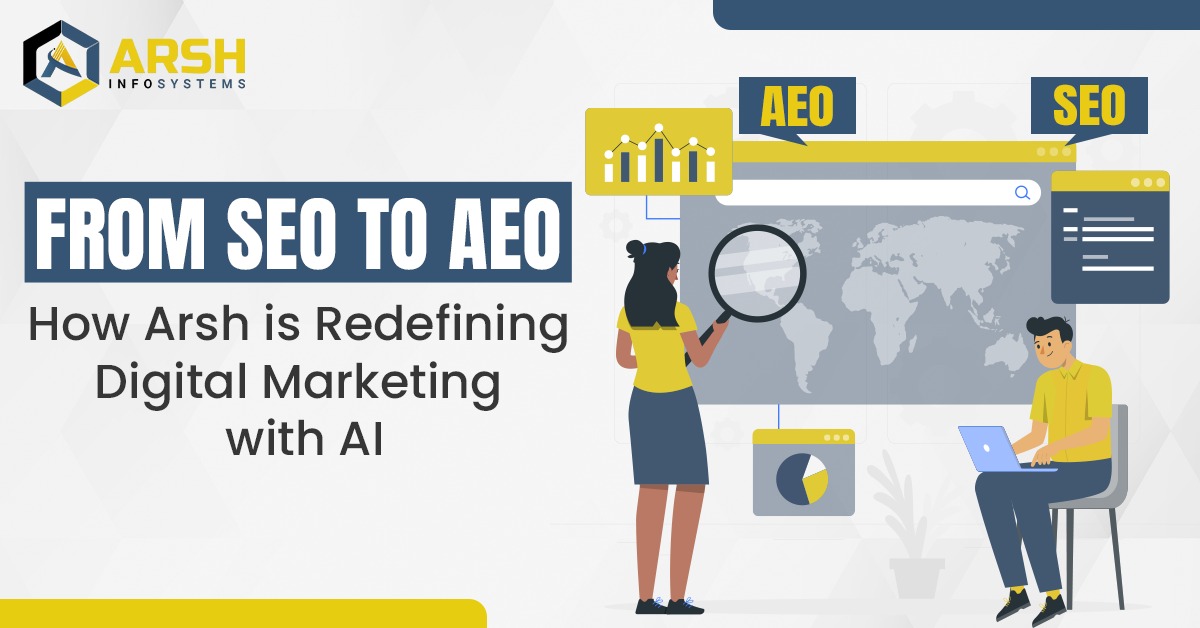
With the ongoing development of search engines into answer engines, Answer Engine Optimization (AEO) has emerged as a very important component of the current SEO strategy. Driving clicks is not AEO; being chosen as the most likely answer to the question that the user asks is. (How to be picked as the answer to a question that a user has is not about driving clicks).
By the year 2026, people will no longer be looking at search results as they were doing in the past. They want to receive instant and precise responses, and search engines are created to provide just that.
There is a rapid increase in the number of zero-click searches. In most instances, users can now get all the answers right on the search results page or via AI generated interfaces without stepping on a website.
This shift is driven by:
This has rendered visibility not to be just gauged by the flow of the traffic of the websites. Being referenced and cited as a reliable solution develops credibility, brand recognition and long-term credibility, even without clicking.
The Answer Engine Optimization Guide
To be successful with AEO, the content has to be designed in such a way that it provides immediate value which is easy to understand and easy to get.
Use short and definite responses at the beginning of the content
Direct answers should be placed at the top of your page. Shorter and succinctly written replies are more likely to be chosen as featured snippets or artificial summaries.
FAQ schema Use schema mark up for FAQs and how-to content
Organized information will assist the search engines to get to know what you are about. The answer engines find it easier to extract and present your information correctly by use of FAQ and how-to schema.
Show experience, knowledge, power, and credibility (E-E-A-T)
Answer engines give preference to trusted sources. Demonstrate that your content is reliable and authoritative using real examples, industry familiarity, authorship, and accurate information.
AEO Helping and Not Only Being Visible
In its most basic form, AEO is usefulness. A content that truly answers the problem, anticipates the questions after and also expresses itself clearly is much more likely to be selected as an answer.
Introduction to AI Rise, LLMs and Conversational search
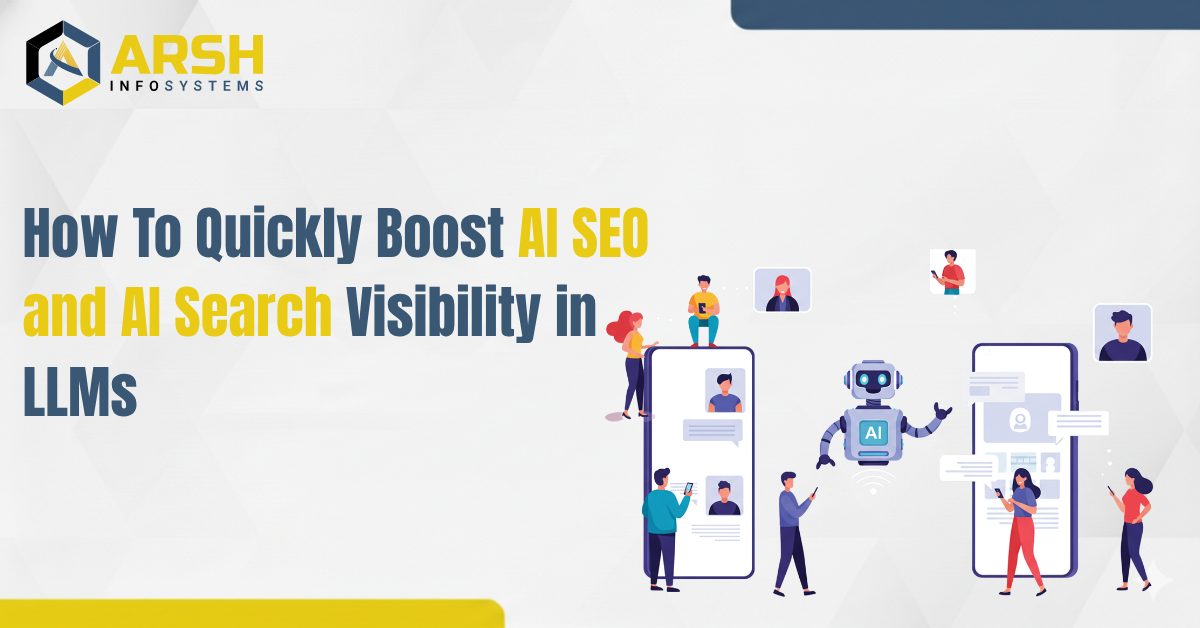
The fast evolution of Large Language Models (LLMs) and AI-written summaries are fundamentally altering the way individuals use search engines. Increasingly, users are using AI to have information in a single place and not have to scan and piece information together.
Already in 2026, search will not be only about finding the information but rather about a conversation. A more interactive and dialogue-based content discovery experience is being driven by AI Overviews , chat-based search experiences, and voice assistants.
The way AI-Driven Search Is altering User Behavior
With the advanced integration of AI in the search experiences, user behavior has changed tremendously.
Users now:
Such a change implies that search intent is growing more subtle, and the content should not address questions one at a time.
What This Means for SEO in 2026
Search engines based on AI are supposed to find the most reliable and comprehensive sources with the highest level of relevance. Less intuitive, less deep, and less credible material is less likely to feature in AI summaries or conversational responses.
To marketers, this means abandoning superficial optimization and knowledge based content creation.
How to Optimize for AI-Driven and Conversational Search
In order to make the content more visible in AIOverviews and conversational search results, it must be crafted to inform, explain, and guide.
1. Write naturally, in a conversational manner
It must sound like an expert giving some advice as opposed to a marketing speech. Clarity and friendliness enhance the understanding of AI and user interest.
2. Discuss subjects exhaustively
The AI systems prefer to see content that develops a subject and provide answers to related queries and give full context about the subject than single information.
3. Use actual examples and statistics
Experience, statistics and real-life data assist AI models in recognizing your content as being credible and reliable.
4. Be consistent with topical authority
Creating quality content on a particular topic area in the long term makes your power and with greater chances of being cited by AI-driven systems.
Search is no longer a matter of putting in a few keywords and going through links. As AI Overviews and Large Language Models (LLMs) grow, search engines are now being transformed into digital assistants which comprehend context, intent, and conversation.
By 2026, the users are expecting search engines to provide them with clear complete answers in real-time. People do not visit several websites anymore but use AI to summarize, compare the sources and lead to the most appropriate solution. This change is totally transforming the way content is found and consumed.
Today the manner in which people search is much more natural and conversational than in the past.
Users now:
This is to say that users are no longer tolerant of ambiguous or over-optimized information. They prefer useful responses rather than marketing rhetoric.
Since the AI systems will determine what is summarised or referred to, SEO is no longer about ranking, but rather being trusted by AI. The content that is not depthful, unclear, or valuable will hardly be found in AI Overviews or even conversational search results.
Conclusion
In 2026 SEO is no longer about being ranked high or filling pages with keywords. It is knowing others, gaining trust, and being there wherever users are searching be it in the form of AI summaries, voice assistants, or social platforms.
The brands addressing real value, explicit answers, and user-centric content will remain, despite the further development of search. At Arsh Infosystems , we are convinced that the future of SEO lies with the businesses that are early adapters, flexible and establish a relationship with their audience bearing meaning. The people preparing now will not find change hard, they will develop with it.
Copyright © 2026 All Rights Reserved By Arsh Infosystems.
Reviews On 
Years experience
Satisfied clients