Komal Saim Nov 10, 2025


Komal Saim Nov 10, 2025
In today's highly competitive B2B landscape, generating a consistent flow of high-quality leads is no longer just an advantage it's essential for sustainable growth. Traditional "spray and pray" approaches, where generic messages are sent to a broad audience, are rapidly losing effectiveness. Modern decision-makers are more informed, more selective, and far more skeptical. They expect meaningful value, personalized communication, and a clear understanding of their challenges before engaging with any brand.
This shift in buyer behavior is exactly why businesses must adopt smarter, more strategic lead generation approaches. At Arsh Infosystems, we believe that successful B2B lead generation in 2025 is built on precision, relevance, and genuine human connection. It's no longer about reaching the most people; it's about reaching the right people with the right message at the right time.
The most effective B2B teams today are moving away from mass outreach and focusing instead on multi-channel strategies that prioritize quality over quantity. By combining data-driven insights, personalized engagement, and value-driven content, businesses can build stronger relationships and nurture leads more effectively throughout the buyer journey.
At Arsh Infosystems we've identified the following 8 best practices to help you build a resilient, revenue-driven lead generation pipeline one that not only delivers consistent results but also supports long-term, sustainable growth.

They should not go out to seek opportunities, but rather attract them. B2B customers do not seek hard-selling, but rather look into education, clarity and solutions that can actually assist them to move. This is the reason why strategic content marketing is among the most sure lead-generation pillars in 2025.
As you keep on publishing content that is useful and answers actual questions in the industry and focuses on solving the pain points of your audience, you position yourself as a reliable expert. The more you assist the prospects in realising how troublesome their problems are, the more they will be inclined to accept your solution.
How to Implement This Strategy
1. Design Educational Blog Articles, Guides, and Resources.
Post detailed information which directly relates to the questions, challenges and goals of your ideal customers. Editing content makes your brand look like a source of reliable advice, it assists the potential customer to recognise their pain points, and it organically attracts them to your solution(s).
2. Create Best Topic Clusters to Harness SEO Authority
Arrange the materials using the major themes and then sub-topics to produce extensive topic groupings. This is a strategy that enhances exposure to search engines, promotes specific organic traffic, and puts your site at the top of the list of websites to go to when you need information about the industry you are in.
3. Provide Value Gated Content
Offer high-quality content like eBooks, white papers, reports, templates and checklists where a user has to enter his or her contact details. Gated content assists in capturing highly qualified leads as well as cultivating the leads through the buyer process.
4. Include Webinars, Case Studies and Videos
Improve immersion through a variety of forms of content. The webinars are live and give an opportunity to interact with each other, case studies show practical outcomes, and videos make complicated issues easier. Such formats advance trust and establish better contacts with possible leads.
5. Reuse Materials on Multiple Channels.
Reach as many people as possible by posting on various platforms such as social media, emailing, landing pages, and newsletters. Re-purposing makes sure that your message finds more people and your brand authority is brought home again.

The initial actual sales pitch that a digital prospect usually receives is on your landing page. Even the best-qualified visitor will leave on the spot when it is cluttered, confusing or does not convey value in the first several seconds. This is why landing page optimisation has been listed among the most critical B2B best practices in lead generation in the year 2025.
An effective landing page will eliminate friction, clear uncertainty, and direct the visitor naturally to making a move, filling in a form, or taking a road to a demo.
How to Implement This Strategy
1. Ensure strong message-match
The message and the headline should be aligned with the ad, email, or social post that made the user get to the page. Smooth storytelling makes the visitors feel that they are at the right location.
2. Make your forms brief and to the point
Request a minimum of information (name and email). Long forms are annoying in B2B and will minimise your conversion rate very rapidly. Information can always be collected later by nurturing.
3. Leverage social proof
Showcase testimonials, case-study highlights, awards or client logos to develop immediate credibility. Before making contact, B2B buyers require assurance, and the testimonial of a fellow user is highly convincing.
4. Test everything continuously
Headlines, CTA items, hero images, as well as even layout changes of A/B type. Minor enhancements may result in significant growth in conversions in the long run.
5. Be on a clean and distraction-free layout
There should be no redundant links, cluttered areas and too many CTAs. A dedicated design will assist the visitors to make comprehension of the offer and act on it without any confusion.
6. Present evident value by the fold
Your headline, sub-headline, and call to action should communicate to the visitors at the very first glance what they are going to receive after conversion.
In B2B decision-making, which is in many cases slow, complex, and risk-averse, a well-articulated, persuasive landing page is thus your silent salesperson, and it achieves trust, doubt elimination and conversion of visitors into qualified leads much more easily.

Cold outreach usually only provides low response rates, particularly if it is done without other strategies, such as starting a conversation, since most B2B decision-makers get dozens of sales messages per day. Rather than looking at email as a one-time communication medium, advise to look at it as a long-term relationship-building medium.
An email nurturing plan can assist you in steering your prospects through the levels of curiosity to trust and trust to conversion at their own pace and not yours. When effectively executed, email nurturing can be viewed as a gentle, regular feel that helps make your brand remain in the mind, in addition to delivering true value.
How to Implement This Strategy
1. Divide your email list into segments to be more relevant
Segment your leads by industry, size of company, interests or funnel position. This makes all emails personalised and enhances interaction.
2. User behaviour automated nurture sequences
Install the workflows that can be activated at the time when a prospect downloads a resource, visits a major page or even when a prospect registers for a webinar. Follow-ups are timely and establish a sense of trust and a top-of-mind brand.
3. Provide value-based content with each email
Provide tips, knowledge, examples, or even news about the industry rather than hard selling. Educational content reinforces authority and establishes true relations.
4. Navigate Prospects using soft CTAs
An invitation then results in more exploring, such as reading a blog, downloading other material, or calling. Delicate pushes are better than pushy sales communication in B2B.
5. Track interaction and perfect your patterns
Monitor open rates, clicks, replies and drop-off points. Use it to enhance your subject line, timing and messages to achieve better results.
Social media will be one of the most effective acquisition mediums in 2025 in B2B. It is no longer where people can leave updates; it is an influential ecosystem where companies can establish authority, make valuable relationships in the industry and directly stand in front of the decision-makers.
Websites such as LinkedIn provide an unparalleled access to buyers, influencers, and industry leaders, and thus are needed by any person who wishes to create a predictable and high-quality B2B pipeline.
How to Implement This Strategy
1. Select the Media on which your ICP is the most active
Determine the places where your target customers spend the majority of their time. In B2B, this typically is LinkedIn, and, of course, niche market industries could be very active on X or industry-specific forums.
2. Participate Continuously, Do Not Simply Tweet
Active participation will bring visibility and not merely publishing content. Comment, engage and participate in conversations to create trust and remain top-of-mind.
3. Native Lead Generation Tools
Take advantage of the built-in functionality such as LinkedIn Lead Gen Forms, to generate leads with a low friction factor. These tools enhance conversions because they reduce the user flow.
4. High-Value, Short-Form Content
Give value in as little as one bite, a tip, or a short video. This format enhances interaction and makes busy decision-makers digest content without problems.
5. Grow a Leading Idea by Being Consistent
Provide frequent insights to establish your brand as a specialist. Regular value-based content builds credibility and draws qualifying Prospects.
6. Break The Social Media Broadcasting to Conversing
Change in one-way posting to interactive communication. Face-to-face discussions will enable you to relate with decision-makers and open the gate to warm leads.
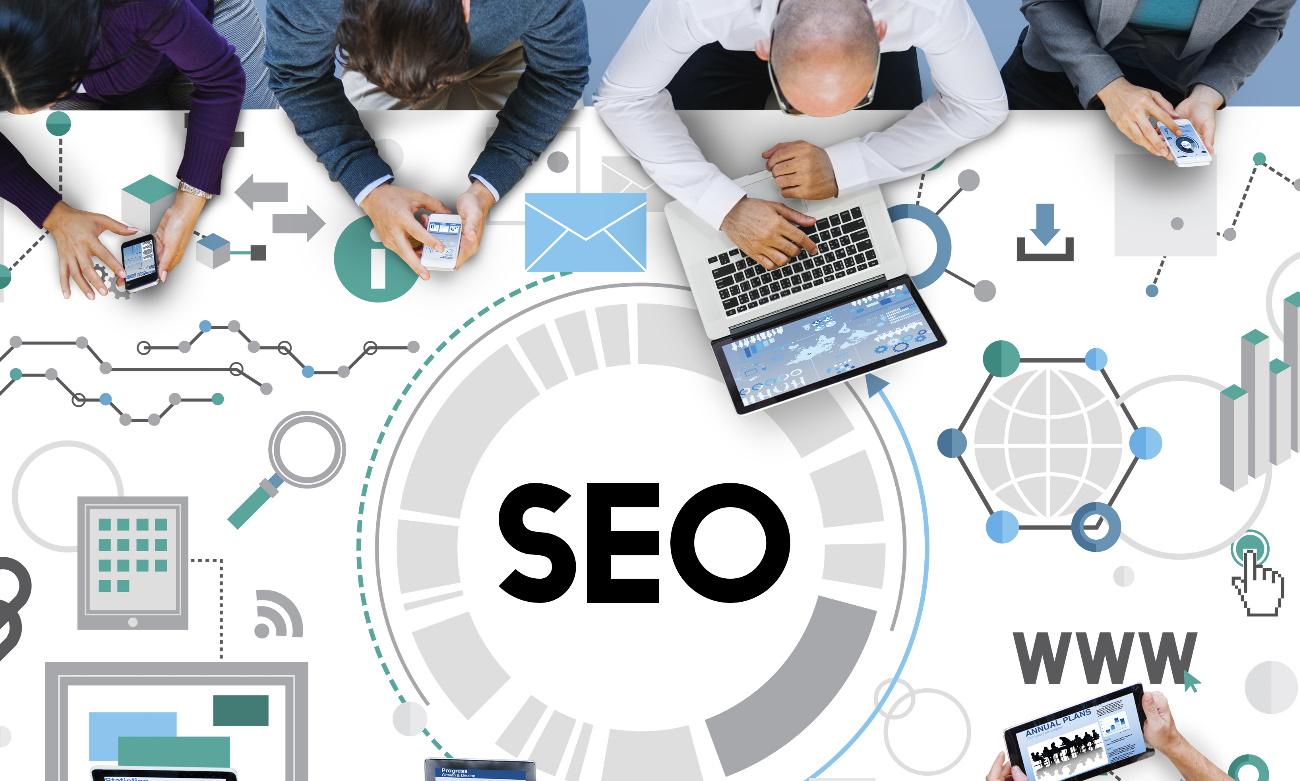
SEO continues to be one of the surest and affordable methods of achieving quality B2B leads. When your site is ranked right for the right keywords, then you will be pulled in by prospects that are already seeking the solutions that you are providing, thereby making them warmer, more knowledgeable and easier to close. SEO will enable you to attract reliable, organic traffic to your funnel without necessarily relying on paid advertising, through the creation of value, page optimisation, and authority building.
How to Implement This Strategy
1. Long-Tail Keywords that have Commercial Intent
Target narrow, high-intent keywords that demonstrate that buyers are at a decision (e.g. B2B CRM software to startups, or automation services in India to industry). The words can be less popular in search, but will also speed up the process of search since the intent of the user is more obvious and actionable.
2. Produce Authoritative, Broad-Based Content
Write detailed blogs, comparison guides, case studies and landing pages that address actual buyer issues. Google favours the content that can be shown to be knowledgeable and beneficial. The more qualified leads you get ranked and captured, the deeper and more relevant your content.
3. Maximise Technical and On-Page Factors
Make sure that your site loads quickly, is mobile-enabled and properly indexed. Maximise meta titles, description, header, internal links, schema, and image alt tags. These are the technical improvements that aid in making the search engines get to know your pages better and hence enhance the visibility and overall performance of the search engine.
4. Develop good-quality backlinks
Get the backlinks in an authentic, high authority site by means of guest posting, PR articles, company associations, or data-based writing. Strong backlinks are considered to be the "trust signals", and they have a great impact on raising your rankings and ensuring that your content reaches the appropriate decision-makers.
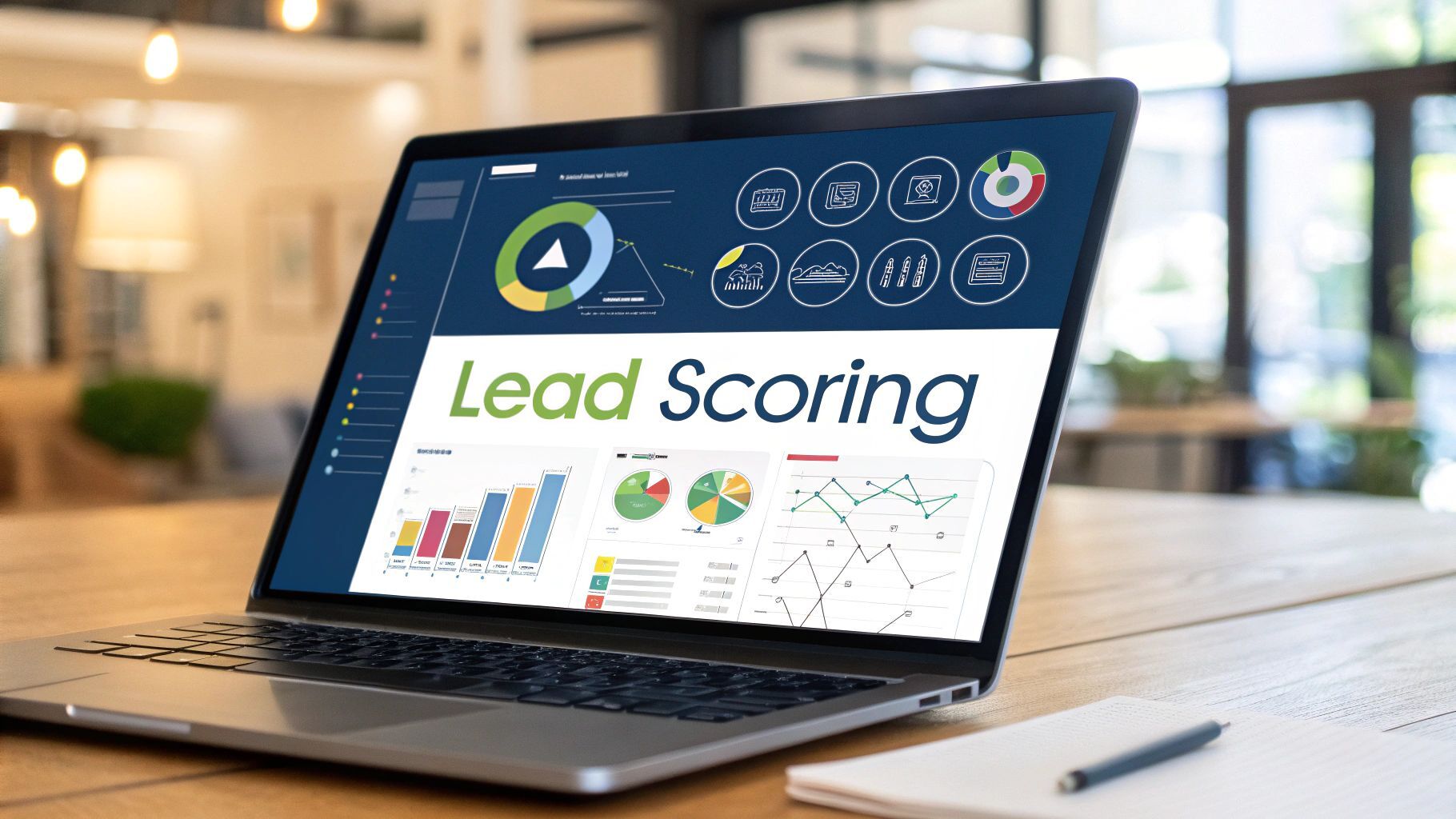
Through marketing automation, repetitive tasks are simplified and timely and personalised communication is sent to Prospects. It can be used together with lead scoring to determine high-potential leads on the basis of engagement and behaviour so that sales teams can effectively prioritise follow-ups. Growing and sorting leads instantly, as well as sorting them based on readiness to purchase, allows businesses to improve their conversion rates, conserve time and have a consistently and scalably growing pipeline.
How to Implement This Strategy
1. Set Your Lead Scoring Parametric
Liaise with your sales team to come up with a lead scoring model that is balanced between demographic and behavioural data. Give more points to those actions that portray a high buying intention, like the request of a demo, and fewer points to those less serious interactions, like reading a blog. This is because your team would be targeting the most qualified Prospects.
2. Create Specific Nurture Campaigns
Develop automated email processes that will send appropriate information according to the interests and activity of a lead. As an illustration, once a potential downloads an eBook on the specific subject, follow up with case studies, webinars or guides. Individualised grooming will keep the leads interested and will push them slowly towards conversion.
3. Allot a Marketing Qualified Lead (MQL) Threshold
Establish a specific score whereby a lead can be deemed as being sales-ready and ready to be passed on to the sales team. By aligning marketing and sales on this parameter, there will be ease of transitioning, less wastage of efforts and the conversion process is enhanced.
4. Review and optimise regularly
Automated campaigns and Lead scoring models are not set and forget. Monitor the engagement statistics constantly, optimise scoring metrics, A/B email content, and change the timing of the campaign. Constant optimisation can make sure that your workflows are effective and that they keep generating high-quality leads.

Webinars and Virtual EventsVirtual events and webinars are the most appropriate methods to reach out to prospects in an interactive format in a real-time manner. This can be achieved by hosting educational online meetings that show your level of expertise, answer questions instantly and even receive detailed lead information from an interested audience. Not only does this make your brand a reliable authority in the industry, but it also creates a direct connection with the prospective customers who are already in need of a solution.
In contrast to static content, webinars can create urgency and community, which gives you the chance to create rapport and trust at scale. The kind of prospects that are likely to become your customers are the ones who are already interested in learning, thus they are high-intent leads with a higher chance of conversion. Webinars have the potential to be the foundation of your B2B lead generation strategy by building potentially interesting topics, promoting or advertising, and tracking strategically.
How to Implement This Strategy
1. Standardise workflows in the constant nurturing
Establish automated email campaign mechanisms on activities such as form submissions, content downloads or visits to websites. Timely follow-ups, keeping your brand at the forefront and bringing the Prospects through the sales funnel without the need to do it manually are made possible through automation.
2. Give Lead Scores according to Engagement
Score uses behavioural and demographic information to rank follow-ups. The opening of emails, clicking on links, downloading resources, or filling your ideal customer profile are actions that show greater potential. The sales teams can be made to concentrate on Prospects that are likely to be converted with the assistance of lead scoring.
3. Follow-Up Segmentation and Customisation
Group engagement is based on the level of the group and personalises the automated follow-ups. Demo invitations can be sent to highly engaged leads, nurturing content will be given to moderately engaged leads, and long-term nurture sequences will be maintained with low-engagement leads. The customisation leads to trust, interest, and conversion.
4. Capitalise on Webinars and Gated Content

One of the best strategies for generating high-intent, immediate and B2B leads is PPC advertising. PPC also focuses on potential customers who are in the process of actively seeking the products or services that you are selling, as opposed to the organic way, which attracts traffic, which has a high chance of conversion. PPC can provide an excellent lead generation ecosystem when performed strategically: it will not only provide quick results but also complement your SEO and content marketing campaigns (making them balanced and robust).
The PPC campaign should be well planned so that the businesses can be able to target certain audiences in terms of search intent, geography, industry, and even company size. It offers quantifiable data on what keywords, ad copies and offers are the most appealing to your audience, allowing you to keep optimising to achieve higher ROI. Moreover, PPC campaigns are scalable within a short time and guarantee uniform presence in search engines and paid platforms, in addition to complementing other marketing programs such as webinars, gated content, and remarketing programs.
How to Implement This Strategy
1. Utilise negative Keywords
Negative keywords can help to narrow down unnecessary traffic and help make sure that only interested buyers see your advertisements. Indicatively, you can avoid clicks by not including words such as free or jobs and save your ad budget and increase ROI.
2. Write Closely Messaged Ad Groups
Create ad campaigns of limited view to product lines, services or target audience. Closely themed groups are more relevant to ads, help Quality Score, and it becomes less difficult to monitor the performance of a specific campaign. This Organised methodology will make sure that your advertising is delivered to the appropriate customers with the appropriate message.
3. Keep on Testing Ad Variations
Keep on experimenting with various headlines, ad words, calls-to-action and display settings to find out which works best with your audience. Not only is it the best way to increase the click-through rates, but it also contributes to optimising the conversion rates and the efficiency of the campaign within the course of time.
4. Aim at Landing Page Congruency
The landing page should be in line with the promise of your ad. Unified messaging, value propositions, and a high profile of the call-to-action will lead to more conversions, minimise bounces, and enhance the overall performance of your PPC campaigns. As a rule, it is always better to ensure that the user experience is smooth between ad click and lead capture.
| Lead Generation Strategy | Description | Pros | Cons | Best For |
|---|---|---|---|---|
| Email Marketing & Nurturing | Sending targeted emails and automated sequences to nurture leads over time. | Builds relationships, cost-effective, measurable ROI | Low engagement if poorly targeted, risk of spam filters | B2B SaaS, professional services, long sales cycles |
| Social Media & Professional Networks | Using LinkedIn, X/Twitter, and forums to engage prospects and generate leads. | Builds authority, high engagement, and access to decision-makers | Requires consistent effort; results take time | B2B, niche industries, thought leadership |
| Search Engine Optimisation (SEO) | Optimising website and content to attract organic traffic and leads. | Long-term traffic builds credibility, cost-effective | Slow results, requires ongoing effort | Businesses with content-rich websites, high competition keywords |
| Marketing Automation & Lead Scoring | Automating workflows and scoring leads based on behaviour and engagement. | Saves time, prioritises high-quality leads, improves conversions | Requires setup and strategy, needs accurate data | Mid to large B2B companies, complex sales cycles |
| Webinars & Virtual Events | Hosting live online events to educate and engage prospects. | High-intent leads, build trust, establish authority | Time-consuming, requires promotion, depends on engagement | B2B education, SaaS, consulting, professional services |
| Pay-Per-Click (PPC) Advertising | Running paid campaigns targeting high-intent prospects on search engines and platforms. | Immediate results, highly targeted, measurable ROI | Can be expensive, requires ongoing optimisation | Product launches, promotions, competitive markets |
It takes a coordinated effort to develop a high-performing lead generation strategy in which each tactic, tool, and campaign works in harmony to produce desired outcomes. Instead of working in silos, combining your actions makes them as efficient as possible, as well as provides more data and higher outcomes in the marketing and sales channels. The integrated approach will assist in harmonising the message, reaching the appropriate audience each time, and offering a continuous experience to the prospects throughout the funnel. Such a holistic approach simplifies the performance measurement process, locating gaps and maximising performance towards greater ROI as well.
Any effective lead generation strategy is based on data. Clean, precise and up-to-date data would ensure that all decisions made regarding targeting prospects and scoring leads, and the personalisation of the campaigns are found to be reliable and productive. The most advanced marketing campaigns cannot perform their tasks effectively without the appropriate data integrity, and the budget can be wasted, opportunities can be missed, and sales outreach may be misaligned. Effective data hygiene not only enhances campaign performance but also enhances customer trust, durability and provides actionable insights toward continuous improvement.
Audit Your Current Lead Generation Methods
Begin by assessing all the existing lead generation methods, campaigns, and tools. Determine what is doing well, what is not doing well, and where there are gaps. An extensive audit leaves you in a clear position, finds opportunities, and guides you to prioritise the next steps in order to get the most out of them.
Develop Your Underlying Layers
Develop the key building blocks of your plan, including a clean and well-organised CRM, proper lead scoring rules, and content that is relevant to your buyer personalities. These have basic layers, which provide a solid foundation upon which the entire future campaign will operate and provide consistent outcomes.
Layer on Active Campaigns
After establishing your base, roll out specific email, social media, webinars, SEO and PPC campaigns. Combine these channels in a way that they complement and enhance each other to form a single, omnichannel lead generation system that utilises all these channels to the best of their potential.
Integrate and Automate
Give meaningful scale and personalisation to messaging using the leverage of marketing automation tools to connect campaigns and streamline workflows. Automation helps to ensure that no prospect is missed, and your team will be able to do high-value work that will result in growth.
Conclusion
In 2025, effective B2B lead generation is about quality over quantity. By combining content marketing, SEO, social media, email nurturing, webinars, automation and PPC, businesses can build a consistent pipeline of high-intent leads.
Clean data, a strong foundation, and continuous optimisation are key to turning prospects into loyal customers. A unified, multi-channel approach not only drives revenue but also strengthens brand authority and ensures sustainable growth.
Copyright © 2026 All Rights Reserved By Arsh Infosystems.
Reviews On 
Years experience
Satisfied clients