Komal Saim Dec 22, 2025


Komal Saim Dec 22, 2025

In 2026, Search Engine Marketing (SEM) will still be one of the best and quickest ways to draw in specific visitors, produce quality leads, and boost business expansion. With more competition, the rise of AI-powered ad platforms and changes in how people search online, companies can't just depend on simple paid search methods anymore.
To keep a competitive edge, brands need to use smarter, data-informed, and intent-focused SEM approaches. Here at Arsh Infosystems, we assist businesses in running performance-focused SEM campaigns that prioritize being seen, turning visitors into customers, and ensuring we can track the return on investment. Below, you'll find the top 10 SEM strategies for 2026 that can help businesses increase their visibility, boost conversions and get the most out of every advertising dollar spent.
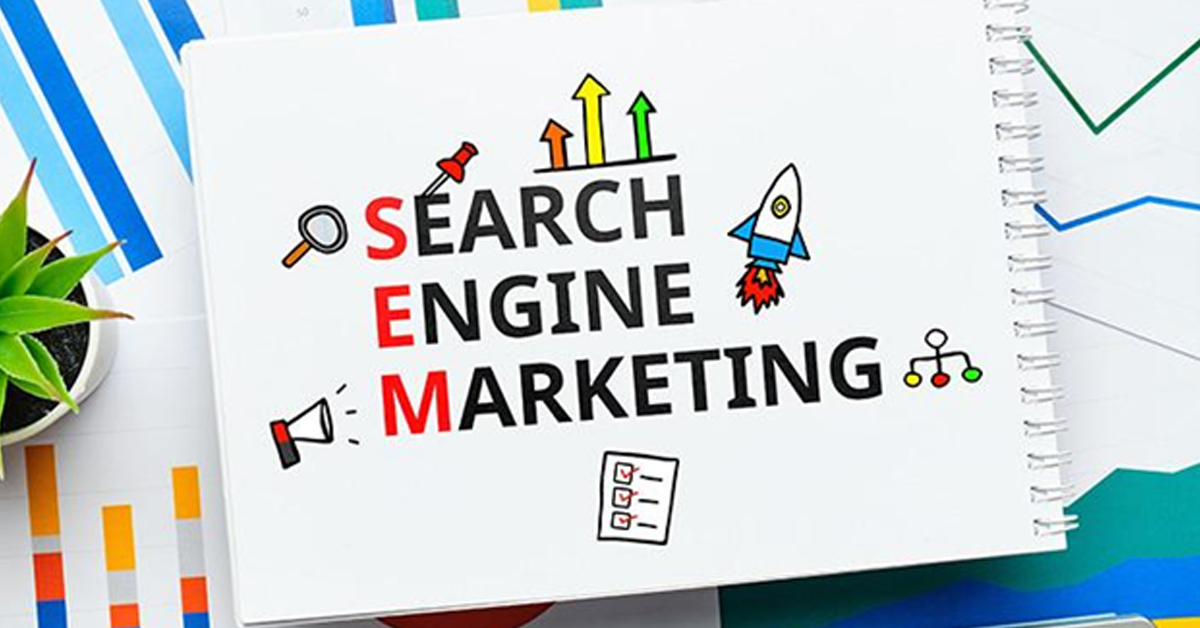
Think of a Search Engine Marketing (SEM) strategy as a smart, planned approach using paid ads on search engines like Google or Bing to get your business noticed. It's all about using data to make sure your ads show up when people are actively looking for the products, services, or solutions you offer. Because it targets people who are already interested, SEM is a really effective way to reach customers who are ready to engage.
The main goal here is to boost how visible your brand is when people search online (those search result pages), bring qualified visitors to your website, and turn those visitors into actual leads or customers. Since these ads often appear right at the top of search results, SEM lets businesses connect with potential customers at the very moment they're thinking about making a move.
Unlike trying to improve your search ranking organically, which can take ages, SEM gives you instant visibility and faster results. As soon as your ad campaigns start running, you can begin getting clicks, inquiries, and even sales almost right away. This is why SEM is super useful for things like launching new products, competing in busy markets, running special campaigns and generating leads.
Search Engine Marketing (SEM) is all about helping businesses get their ads seen by people who are already looking for what they offer online. Basically, advertisers make bids on specific keywords that potential customers might type into search engines like Google. Then, when someone does a search using those keywords, the search engine shows the advertiser's ad in really noticeable spots on the results page.
Where the ad appears and how visible it is depends on things like how much was bid and how good the ad is overall. By picking the right keywords and crafting ads that grab attention and are relevant, businesses can connect with the exact people they're aiming for at just the right time. This increases the chances of people clicking through, getting in touch and ultimately becoming customers.
SEM works through a keyword bidding system, where businesses compete to show their ads for specific search terms. When someone searches online, platforms like Google run a real-time auction to decide which ads appear and in what order. The outcome depends on your bid, ad relevance, and quality score. Smart bidding strategies help businesses maximize visibility without overspending.
Creating ads that grab attention is key to SEM success. Strong headlines, persuasive descriptions, and clear calls-to-action (CTAs) encourage users to click. SEM also allows precise targeting based on factors like location, device, demographics, and search intent, ensuring your message reaches the right people at the right moment.
Winning the auction means your ads appear in prime spots on search results pages usually at the top or bottom. High placement improves visibility and click-through rates (CTR), attracting potential customers actively looking for your products or services. This makes SEM an efficient way to drive quality traffic quickly.
Driving traffic is only half the battle. Your landing pages must be optimized for speed, relevance, and user experience. Pages should align with your ad’s message and feature clear CTAs to guide visitors toward conversions. A seamless experience ensures paid clicks turn into leads or sales.
SEM platforms provide detailed analytics to monitor campaign success. Key metrics like CTR, conversion rate, cost-per-click (CPC), and return on investment (ROI) show what’s working and where improvements are needed. Data-driven insights allow marketers to make informed decisions and refine strategies for better results.
SEM is an ongoing process. Regularly reviewing keywords, ad copy, bids, and landing pages keeps campaigns competitive. A/B testing different approaches helps identify what resonates most with your audience. Continuous optimization ensures your campaigns deliver the best possible results over time.
Achieving success with SEM requires more than just running ads it demands a thoughtful strategy that blends research, creativity and ongoing optimization. These tried-and-tested SEM strategies are designed to help you reach users who are ready to take action, increase conversions, and make the most of your marketing budget. From identifying the right keywords to fine-tuning campaigns, these approaches ensure your business remains competitive and drives long-term results.
The foundation of any successful SEM campaign is finding the right keywords. Focus on terms that show strong user intent keywords that indicate people are ready to take action, like making a purchase or signing up. Use tools like Google Keyword Planner or AI-driven platforms to discover relevant keywords with good search volume and manageable competition. Don’t forget long-tail keywords they may have lower search volume, but they often attract highly targeted audiences and lead to better conversion rates because they match specific needs.
Keeping an eye on what your competitors are doing can give you a major advantage. Look at their keywords, ad copy, bidding strategies, and overall approach to see what’s working and where there’s room for improvement. Understanding their strengths and weaknesses allows you to create campaigns that stand out, differentiate your brand, and reach the right audience more effectively. Competitor insights help you avoid mistakes while finding opportunities to outperform them in paid search results.
Not all keywords are created equal. Understanding search intent whether informational, navigational, or transactional ensures your ads appear for the right audience. For instance, transactional keywords like “buy now” or “order online” attract users ready to convert. By focusing on intent-driven keywords, you can improve CTR and conversion rates, making your campaigns more efficient.
4. Create High-Quality Content
Compelling content is the backbone of successful SEM. Informative, engaging, and relevant content increases user engagement, improves Quality Scores, and can lower your CPC. Develop blog posts, landing pages and ad copy that address your audience’s needs. Quality content not only builds trust but also strengthens the performance of your SEM campaigns.
5. Organize Your Ad Campaigns Thoughtfully
A well-structured campaign makes SEM management much easier and more effective. Instead of grouping everything together, create ad groups around specific products, services or themes. This approach improves targeting, makes it simpler to track performance, and can boost your Quality Scores. When your campaigns are organized, you can allocate budgets more efficiently and ensure that the right message reaches the right audience at the right time.
6. Optimize Your Landing Pages for Conversions
Your landing page is where interest turns into action, so it’s crucial to get it right. Make sure your pages are fast, clear, and relevant to what your audience is looking for. Use compelling headlines, persuasive calls-to-action (CTAs), and a design that’s easy to navigate. Don’t forget A/B testing it helps you find out which elements work best and which need improvement. Well-optimized landing pages not only improve conversions but also make your overall SEM campaigns more successful and cost-effective.
7. Track Performance with Analytics
Regular monitoring of your campaigns is essential for growth. Tools like Google Analytics and Google Ads reports provide insights into CTR, conversion rates, and CPC. By analyzing this data, you can identify underperforming areas and make data-driven adjustments, ensuring your SEM efforts remain efficient and effective.
8. Integrate SEO with SEM Through Backlinks
While SEM focuses on paid advertising, integrating SEO practices like backlink building can strengthen your overall online presence. High-quality backlinks from authoritative websites improve credibility and domain authority. A combined SEM and SEO approach boosts both paid and organic visibility, driving sustainable traffic and long-term results.
9. Optimize On-Page Elements
On-page optimization plays a vital role in SEM success. Ensure your titles, meta descriptions, headers, and content are aligned with your target keywords. Consistency between ad copy and landing pages improves relevance, enhances Quality Scores, and can lower CPC. Well-optimized on-page elements also create a better experience for visitors.
10. Continuously A/B Test Your Campaigns
A/B testing is key to refining your SEM strategy. Experiment with different ad copies, headlines, CTAs, and landing pages to see what resonates most with your audience. Regular testing allows you to identify top-performing variations, boost CTRs and conversions and adapt to evolving trends and user preferences.
Looking to boost your online visibility and drive meaningful results through Search Engine Marketing? Arsh Infosystems specializes in creating data-driven SEM strategies tailored to your business goals. From in depth keyword research and competitor analysis to high-converting ad campaigns and landing page optimization, we ensure your ads reach the right audience at the right time.
Our team combines industry expertise, advanced tools, and continuous performance monitoring to maximize your ROI and grow your business sustainably. Partner with us and experience SEM strategies that not only attract clicks but also deliver real conversions and measurable growth.
In 2026, Search Engine Marketing (SEM) remains a critical tool for businesses aiming to increase visibility, attract qualified leads, and drive revenue. By implementing the right strategies ranging from thorough keyword research and competitor analysis to well-structured campaigns, optimized landing pages, and continuous A/B testing businesses can maximize the effectiveness of their paid search efforts.
SEM is more than just running ads; it’s about delivering the right message to the right audience at the right time. Combining data-driven insights with creativity and optimization ensures your campaigns stay competitive and cost-efficient.
Partnering with experts like Arsh Infosystems can take your SEM efforts to the next level. With our tailored strategies, performance monitoring, and focus on conversions, we help businesses not only get noticed but also achieve measurable growth.
Copyright © 2026 All Rights Reserved By Arsh Infosystems.
Reviews On 
Years experience
Satisfied clients