Komal Saim Nov 02, 2025


Komal Saim Nov 02, 2025
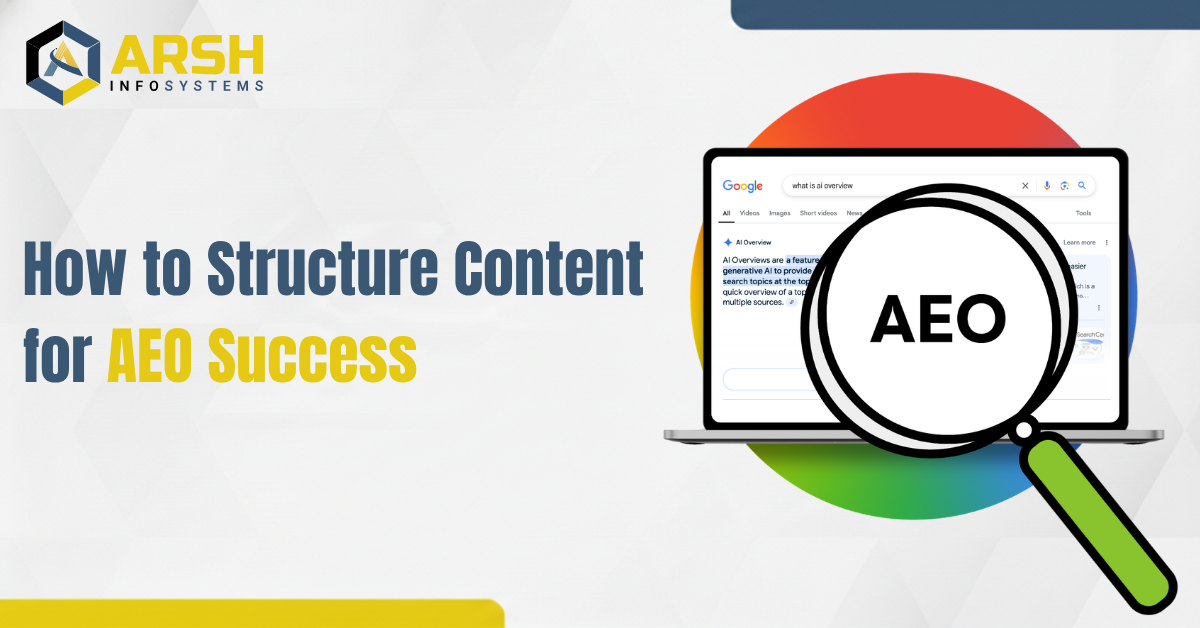
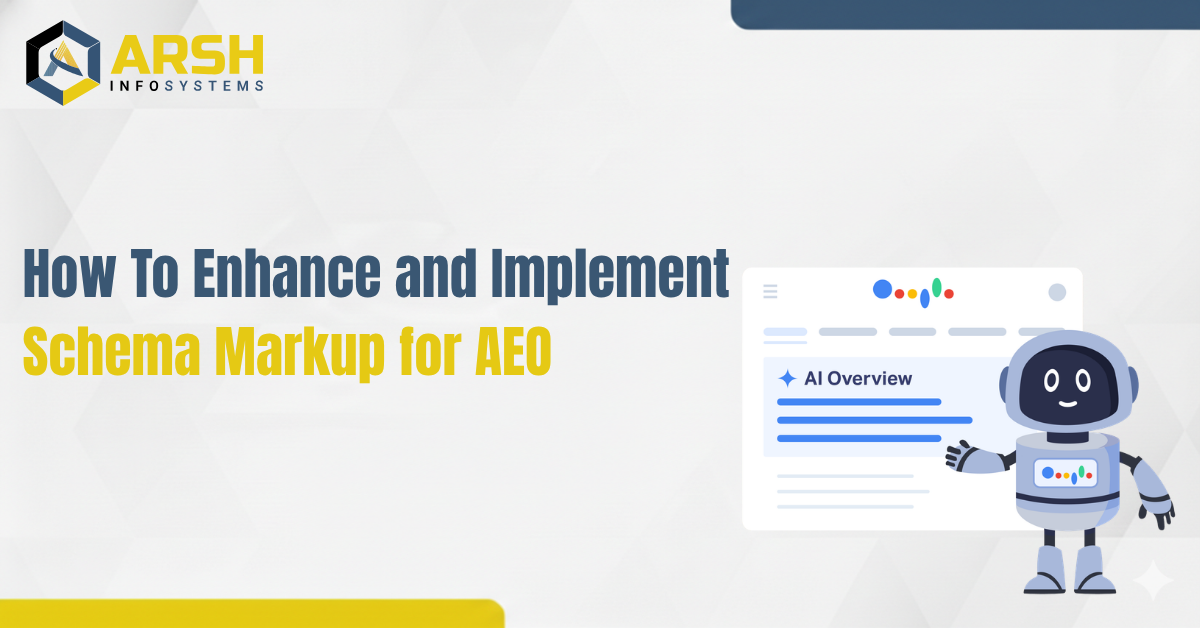
In this era, AI-driven search has made Google AI Overviews a crucial factor for content visibility. These AI-generated summaries show up on top of the search results and guarantee users quick, relevant answers with minimal clicks. For businesses, marketers and content creators, search visibility, credibility and traffic can be significantly improved through AI Overviews optimisation. In this guide, we walk you through actionable steps to optimise your content effectively for Google AI Overviews.
Google AI Overviews are short summaries automatically generated by Google’s AI systems. They extract the most relevant information from web pages to answer users’ questions quickly. Unlike traditional snippets, AI Overviews focus on direct answers, clarity and context, which improves the user experience.
Example: If someone searches for “benefits of digital marketing”, an AI Overview might display a concise paragraph highlighting key benefits like brand awareness, lead generation and cost-efficiency pulled directly from well-optimised content.
These overviews are particularly important for gaining featured snippet positions, which appear above regular search results and drive higher engagement.

In today’s AI-driven search landscape, Google AI Overviews have emerged as a game-changer for SEO. These concise summaries give users quick, relevant answers to their queries, often appearing above organic search results. For businesses and content creators, optimising for AI Overviews is not just a technical strategy; it’s a way to get noticed, build authority and attract targeted traffic.
1. Gain Maximum Visibility
AI Overviews often appear at the very top of search results, sometimes above paid ads. Being featured here gives your content prime real estate on Google, increasing the chances that users will notice and click your page.
Example: A blog optimised for “benefits of content marketing” might appear in an AI Overview, summarising key points like brand awareness, lead generation and cost-effectiveness, all before users scroll past other results.
2. Establish Credibility and Authority
AI Overviews favour well-structured, factual content. By optimising your pages, you signal to Google that your content is trustworthy, accurate and valuable, which not only helps with AIOverviews but also improves overall search ranking.
3. Improve Click-Through Rates (CTR)
When users see concise, relevant summaries in AI Overviews, they are more likely to click through for more details. This can significantly boost engagement, time on site and conversions, especially for B2B or informational content.
4. Align with User Intent
AI Overviews focus on delivering exact answers to user questions. Optimising your content ensures that it aligns with what your audience is searching for, increasing the likelihood of your page being chosen as the AI-generated snippet.
5. Future-Proof Your SEO Strategy
AI-powered search is the future. As Google increasingly relies on AI to summarise and present content, websites that adapt early will maintain a competitive edge, staying visible and relevant in search results.
By understanding these benefits, it’s clear that AI Overview optimisation isn’t just an optional tactic; it’s a critical part of modern SEO that can drive long-term growth for your website.
Optimising your content for AI Overviews may seem technical at first, but by following a structured approach, you can increase your chances of being featured in AI-generated summaries and improve overall SEO performance.
Step 1: Conduct Keyword Research for AI Queries
Start by identifying the questions your audience is actively searching for. Focus on long-tail, intent-driven keywords that reflect real queries. Tools like Google Keyword Planner, SEMrush, or Ahrefs can help you find phrases that are more likely to trigger AIOverviews.
Examples of AI-friendly keywords:
“How to optimise for AI search results”
“Best strategies for Google AI summaries”
“Benefits of AI-generated snippets”
Prioritise question-based keywords; these are exactly what AI looks for when generating concise overviews. Think in terms of “What”, “How” and “Why” queries.
For more information, you can also check the Keyword Research Blog
Step 2: Structure Your Content Clearly
A clear structure makes it easier for AI to scan and extract relevant information. Use headings (H1, H2, H3) to organise sections logically. Incorporate:
Tip: Short paragraphs and subheadings not only help AI understand your content but also improve readability for human users.
Step 3: Answer Questions Directly
AI systems prioritise content that answers questions immediately. Place concise, clear answers at the beginning of each section. Avoid burying important points deep within long paragraphs.
Adding an FAQ section at the end of your article is also highly effective. Each question-answer pair can serve as a potential snippet for AI-generated overviews.
Example: For a blog on digital marketing, a question like “What are the main benefits of digital marketing?” could be answered in 2-3 concise sentences at the start.
Step 4: Use Semantic and Related Keywords
Don’t just repeat the main keyword; include synonyms and related terms naturally throughout your content. This helps AI understand context and relevance.
Example: If your main keyword is “digital marketing benefits,” also use:
This improves your chances of ranking for multiple variations of a query.
Step 5: Optimise Meta Tags and Schema Markup
Meta descriptions should clearly summarise your content. Adding structured data like FAQ, How-to, or Article schema helps Google’s AI extract the most relevant information for overviews.
Tip: Keep meta descriptions concise (around 150-160 characters) and focused on the main benefit or answer your content provides.
Step 6: Improve Readability and Engagement
Readable content is more likely to be picked up by AI and preferred by users.
Use:
Readable, engaging content also increases time on page, which signals to Google that your content is valuable.
Step 7: Monitor and Refine Performance
Regularly track which pages appear in AI Overviews using Google Search Console. Look at metrics like:
Update content to keep it accurate and relevant. AI systems favour content that is fresh, structured and authoritative.
Optimising for Google AI Overviews is a strategic, future-proof SEO step. By structuring content clearly, answering questions concisely, using semantic keywords and implementing schema markup, your website can gain higher visibility, authority and engagement.
Start applying these strategies today to ensure your content ranks higher in search, is AI-friendly and reaches the right audience at the right time. For expert guidance and professional SEO services, Arsh Infosystems can help you implement these techniques effectively and maximise your online presence.
Copyright © 2026 All Rights Reserved By Arsh Infosystems.
Reviews On 
Years experience
Satisfied clients