Komal Saim Dec 23, 2025


Komal Saim Dec 23, 2025
In the modern digital first culture, it is not enough to create content. You can create informative blogs, interesting videos, and detailed guides but unless your followers can access them on the search engines, your work will not provide the outcomes. This is the point that content marketing and SEO meet.
A lot of companies continue to consider content marketing and SEO as two distinct strategies. As a matter of fact they are more effective as one and integrated. Content marketing power drives the performance of SEO when properly structured and SEO makes sure that your content reaches the right person at the right time.
We have experienced ourselves how companies can gain increased visibility, improve engagement, and grow sustainably through a strategic use of content marketing and properly implemented SEO at the same time at Arsh Infosystems. These two disciplines are complementary instead of working in silos and deliver meaningful results.
This blog will discuss what marketing content is, why they need each other, and how they can be used to achieve long-term development.
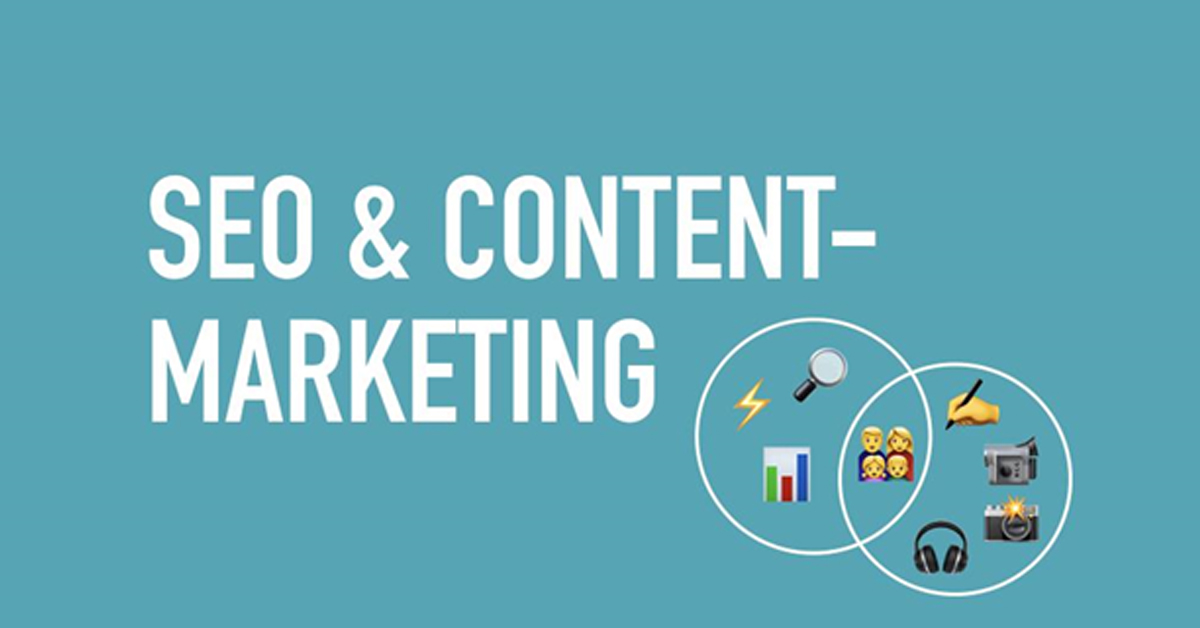
Content marketing refers to the art of producing and sharing valuable, relevant and consistent contents to appeal and hold a well-defined audience. It is aimed not to sell directly but to create trust, authority and long-term relationships.
The most frequent forms of content are:
Good content marketing is the one that answers the questions, resolves the problems, educates your readers, placing your brand as a reliable source.
Search Engine Optimization (SEO) is an activity of making your webpage and products more popular in search engines such as Google. SEO assists in making it visible, organic traffic and credibility.
Key elements of SEO include:
Even the most appropriate content would not be noticed without SEO.
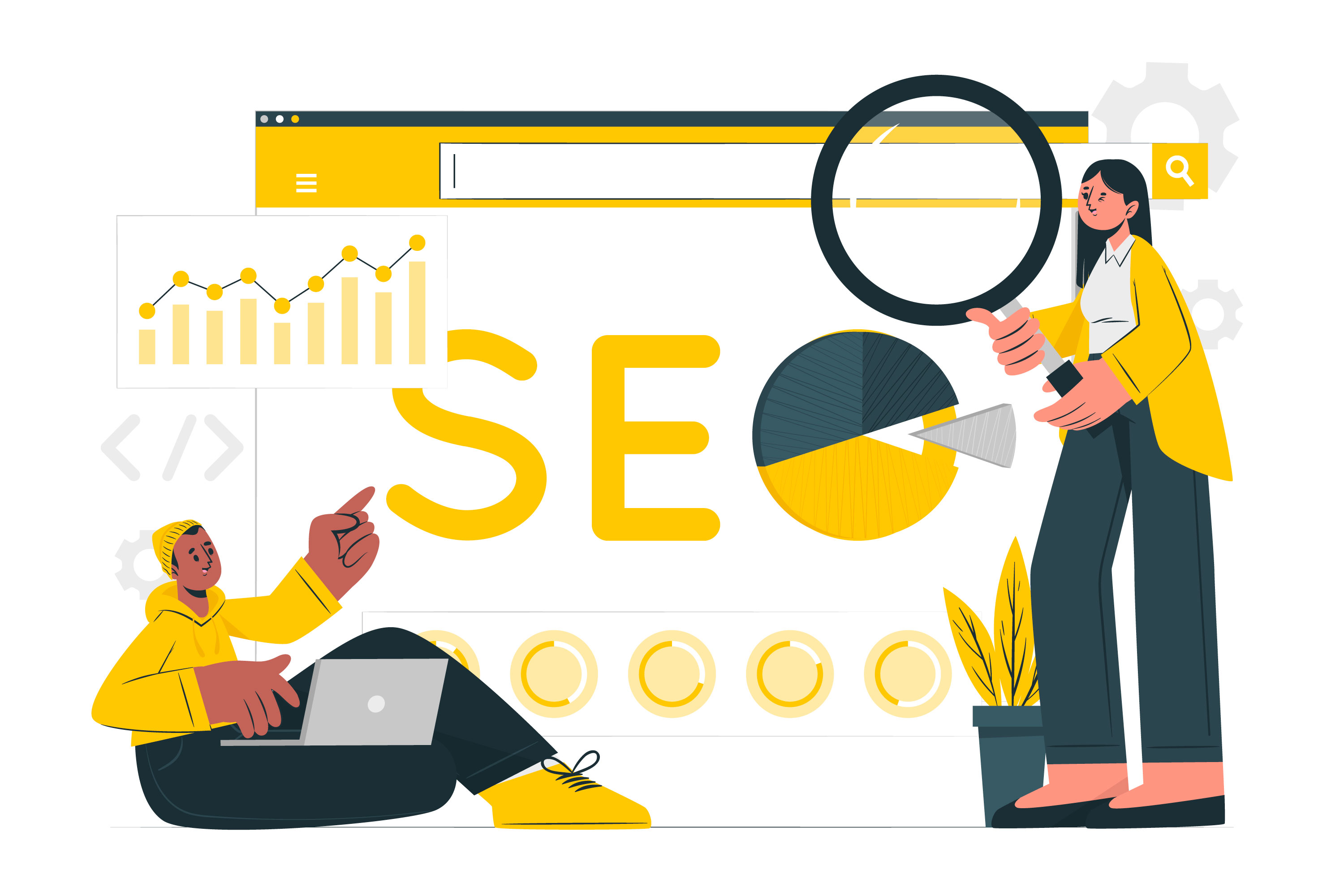
Content marketing and SEO are not strategies that compete with each other but are complements of one growth engine. The combination of the two will form a strong system that will attract the right audience, establish trust, and provide long-term outcomes.
The search engines rely on the material to interpret what is happening around in your site. Blog posts, landing pages, guides and case studies written at a high quality will give context that the search engines require to index and rank your site. Even the most optimized websites technically will not be able to do well in search results without valuable content that is a regular thing.
Production of excellent content is not all. SEO makes sure that your content is visible to the users who are in the process of actively searching answers, solutions, or information. SEO would assist in positioning your content higher and the right people, at the right time, through keyword optimization, on-page optimization and technical.
Content that is driven by SEO is user-focused meaning that they enter this site with a purpose in mind or they have an interest. Once it is reflected in the intent, it results in increased engagement, increased time on site, and improved conversion rates. This renders content marketing much productive as compared to traffic created by untargeted channels.
SEO-centered content provides free traffic over time as opposed to paid advertising where the program ceases to provide results after the funds are exhausted. A properly optimized blog article or guide can generate leads and traffic over months or even years with little continued effort.
They enhance brand authority and faith
Regular publication of useful, search-engine-friendly content is a step in making your brand a leader in its market. Seeing your material at the top of the search results repeatedly, the user will develop credibility and trust, and recognition of a brand, which are among the determinants of buying behavior.
They facilitate the whole customer experience
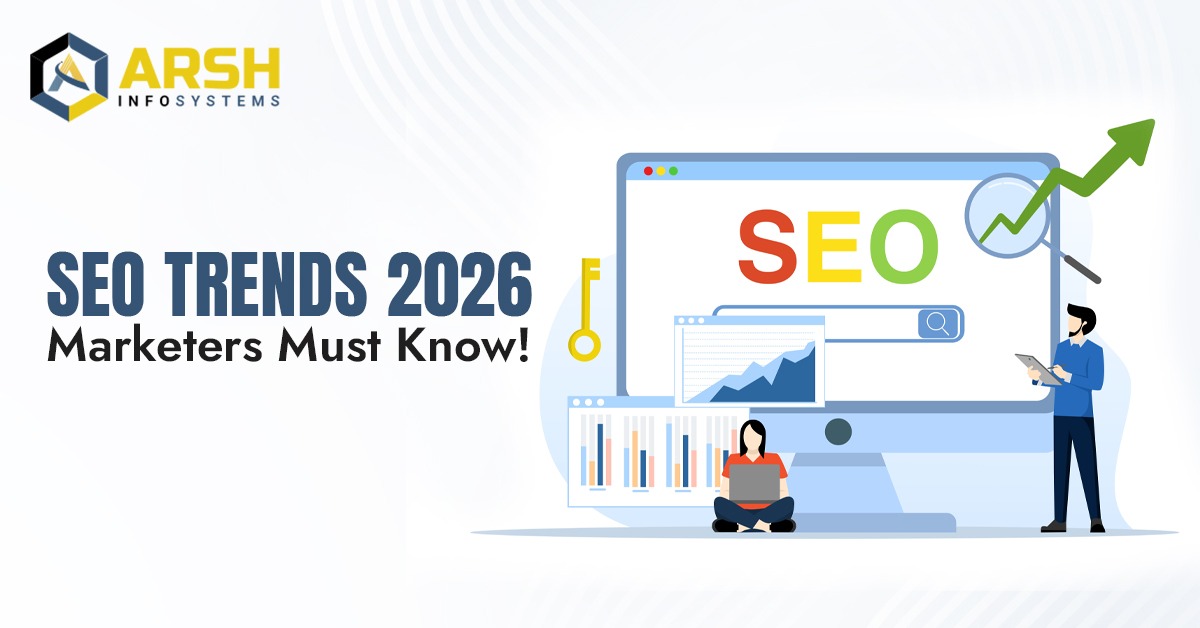
The combination of content marketing and SEO helps attract users at every stage of the marketing funnel, aligning closely with evolving SEO trends 2026. Awareness-stage users are drawn in through informational content, decision-making is supported by comparison guides and case studies, and optimized landing pages help convert visitors into qualified leads or customers.
When content marketing and SEO are used together in a strategic manner, they do more than simply generate traffic. They promote meaningful interaction, improve conversion rates, and drive long-term business growth.
The content marketing and SEO overlap is known as the key word research. It shows what your audience is looking for and the way they form their requests.
It is in the absence of keyword research that you are likely to produce content that no one is seeking. With it, you can:
Search engines give priority to information that will add real value to consumers. SEO-friendly content is never about cramming keywords into any piece of writing, it is about knowing what people want and providing the most exact answer in the most comprehensible and catchy manner. Content of high quality leads to better rankings, the creation of trust, and the desire to act.
The reader is always your main audience. Search engines have a natural rewarding tendency when the content written is human-centric.
Be clear and informative
Be simple when explaining concepts to the readers so that they are able to get the message without being confused.
Be engaging and easy to read
Separate the text into brief paragraphs with subheadings and bullet points in order to make it easier to read.
Respond to questions of users in an expounded manner.
Discuss the subject matter in detail, thereby ensuring that users do not have to go out of the system to get further details.
Use simple and natural language
Stick to the conversational and helpful style and avoid any useless jargon.
Make users spend more time on the page
So valuable and well-organized material will lower the bouncing rate and dwell time, which is a good indicator to search engines.
Relevance of Search Intent and Content
One of the best parameters to consider when developing search ranking content is the understanding of search intent. Search intent is the purpose of a query of a user.
Is the user in search of information?
Educational information like blog posts, how-to manuals, or explainer articles is needed to satisfy the informational intent.
Is the user making a comparison of options?
Listicles, product comparisons, pros-and-cons articles, or reviews are most effectively deployed to the purpose of comparison.
Does the user want a solution or service?
Transactional or solution oriented intent requires optimized landing pages, case studies or service pages.
A combination of these assists you in appealing to users in various stages of the buyer process.
The right format will also assist in making your content consistent with the expectations of the users and enhance interest.
Popular content formats are:
Corresponding format and depth of content with search intent goes a long way in enhancing user satisfaction and search ranking.
Better content that can fulfill the expectations of the users has a higher chance of gaining backlinks, social sharing and recurrent customers.
After writing your content, on-page SEO gives your content easy time to be comprehended, interpreted, and ranked appropriately by search engines. On-page optimization helps to increase visibility, improve user experience, and raise the likelihood of higher click-through rates on the results of search.
The following are the important on-page SEO practices that any content must observe.
The user will first come across title tags and meta descriptions when they are on the results page of the search engines. They should be optimized to enhance the rankings and the click through rates.
Use major keywords intuitively
Keep your key word as close to the start of the title as it is possible and make it readable and applicable.
Write powerful and descriptive headings
Titles must be very clear on what the content entails and entice the user to make a click.
Maximize meta descriptions to be engagements
Summarize the content using meta descriptions and point out its value within 150-160 characters.
Do not have repetition of titles and descriptions
Metadata should be unique in each page in order to avoid ranking problems.
Having a clear structure of the content enhances the readability among the users and also assists the search engines to comprehend the order of information.2
Use only one H1 tag per page
H1 should be the central theme of the page and it must contain the main key word.
Subdivide content into subheadings H2 and H3
Subheadings simplify the scanning of content and make sense to search engines in various sections.
Use descriptive and relevant headings
The names of the headings should be representative of what is contained in them.
Increase scannability and readability
Proper content layout keeps the user on track and the bouncing rate goes down.
Placement of the keywords is also a significant matter in the on-page SEO, but it should be done naturally.
Add keywords in important locations
Include major keywords on the introduction, headings, and conclusion.
Use related keywords and semantic keywords
Supporting keywords aid search engines in getting the topic in the context.
Keep the natural flow of keywords
Keywords must be used in a natural way.
Avoid keyword stuffing
Excess use of keywords may be detrimental to readability and may cause search engine fines
Internal links are links between various pages of your site, which enhances the user experience of site optimization.
Search engines such as Helps crawl and index pages
Internal links direct bots of search engines through your site in a more effective manner.
Disperses equity between pages
Connections to significant pages will assist in improving their authority.
Improves user navigation
The users can find some related content easily, spending more time on the site.
Supports content relevance
The internal links provide contextual links that assist the search engines to know the relationship between topics.
SEO is an ongoing process, not a one-time effort. Updating and repurposing existing content is often faster, more cost-effective, and more impactful than constantly creating new content from scratch.
Updating existing content helps maintain relevance and improves rankings.
Refresh outdated statistics and examples
Ensure all data, references, and examples reflect current trends and information.
Improve keyword targeting
Optimize content with updated keywords based on new search trends and user intent.
Expand content to answer additional user questions and improve topical depth.
Enhance formatting and readability
Improve headings, bullet points, visuals and internal links. Want to get as much mileage as possible out of your content? Repurposing the content is the way to go. It’s all about leveraging the great content that’s already been created and presenting that content in new and improved ways that will appeal to different groups of people.
Convert blog posts to videos or infographics. This will be ideal in grabbing the attention of those who enjoy quick pieces.
Social Media Snippets to share key takeaways
Use key quotes, statistics, or helpful information to create social media posts, ideally suited for posting on social networks.
Convert lengthy guides into email sequences
This involves breaking down the lengthy content into shorter, more digestible bits to guide the potential customers through the email sequence.
Turn blog posts into presentations or webinars
Valuable recycled content can be an incredible resource in the sales process and in an educational capacity.
This will help maintain a constant flow of visitors on your site. By effectively promoting your content and updating and reusing the content that you already have, businesses can really optimize the SEO they use and help themselves be more visible on the web.
Performance tracking is a critical aspect that ensures you are aware of the effectiveness of your content marketing and SEO campaigns. You will be in a position to analyze the good and the bad and improve your strategies accordingly. It would be very difficult to identify the positive and negative aspects without appropriate tracking.
Finding
By focusing on the right data points, you can make sure that your strategy remains on track with business objectives.
Organic traffic increase
This metric measures the number of users accessing your website via search engines. A steady increase here ensures that your SEO and content are on target.
Keyword rankings
Helps measure the performance of your content in relation to targeted keywords. Better performance indicates better optimization.
Time on page
This is reflected in the time spent on the page, which is indicative of the users' engagement with the content. The more time spent on a page, the better the content is likely
Bounce Rate
Indicates the percentage rate of users that bounce after being on only one page. Low bounce rates indicate that the content is meeting the visitor's expectations. Conversion rates
Conversion Indicates
how well your site is converting its users to leads, subscribers, and customers.
Backlinks and Referring Domains
Assesses content authenticity. More authoritative links often lead to improved search engine optimization results.
Tools for Evaluating Performance
Having the right instruments makes the process of tracking and analysis simpler.
Google Analytics
Analyzes user behavior, sources/traffic, Engel values, and conversion rates.
Google Search Console
Offers information on key word performance and indexing problems. Also provides details on CTR and overall SEO health.
SEO tools (SEO Ahrefs, SEMrush)
Provide specific information on backlinks and search rankings.
Data-driven insights enable you to maximize your ROI and make better content strategy decisions.
Successful integration of content marketing and SEO requires planning, collaboration, and consistency. When both strategies work together, they deliver long-term, sustainable growth.
By regularly measuring performance and following proven best practices, businesses can ensure content marketing and SEO work together effectively to drive meaningful, long-term success.
Conclusion
The key to content marketing and SEO is the ability to create one and simultaneous strategy as opposed to the two attempts. Quality content is value giving, trust-building and in response to the needs of the users and SEO makes sure that such content is visible and can be discovered and just placed in front of the appropriate audience at the right time. Through optimizing the search intent, content development and page optimization by aligning the keyword study, businesses may leverage the method to generate regular organic traffic and substantial engagement.
Copyright © 2026 All Rights Reserved By Arsh Infosystems.
Reviews On 
Years experience
Satisfied clients