Komal Saim May 19, 2026


Komal Saim May 19, 2026
With search evolving faster than ever before‚ web visibility no longer depends on keywords and backlinks‚ but on user intent‚ context‚ AI-powered search results‚ and personalized discovery experiences․ Partnering with an experienced SEO company in Mumbai can help businesses stay ahead and develop a future-ready digital presence in an ever-competitive landscape․
As consumers increasingly use AI to search for brands‚ businesses must adopt new strategies to not only improve their visibility in customary search engines‚ but also in the newly emerging AI-based search engines․ Agencies that adopt SEO‚ AEO and GEO strategies early will be best positioned to help brands remain visible‚ competitive and relevant in a world dominated by AI-based search engines․
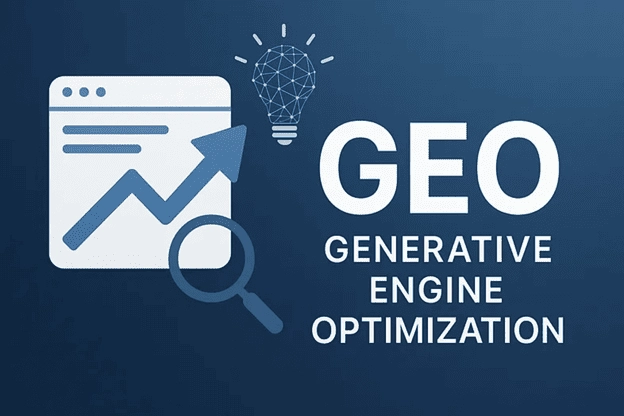
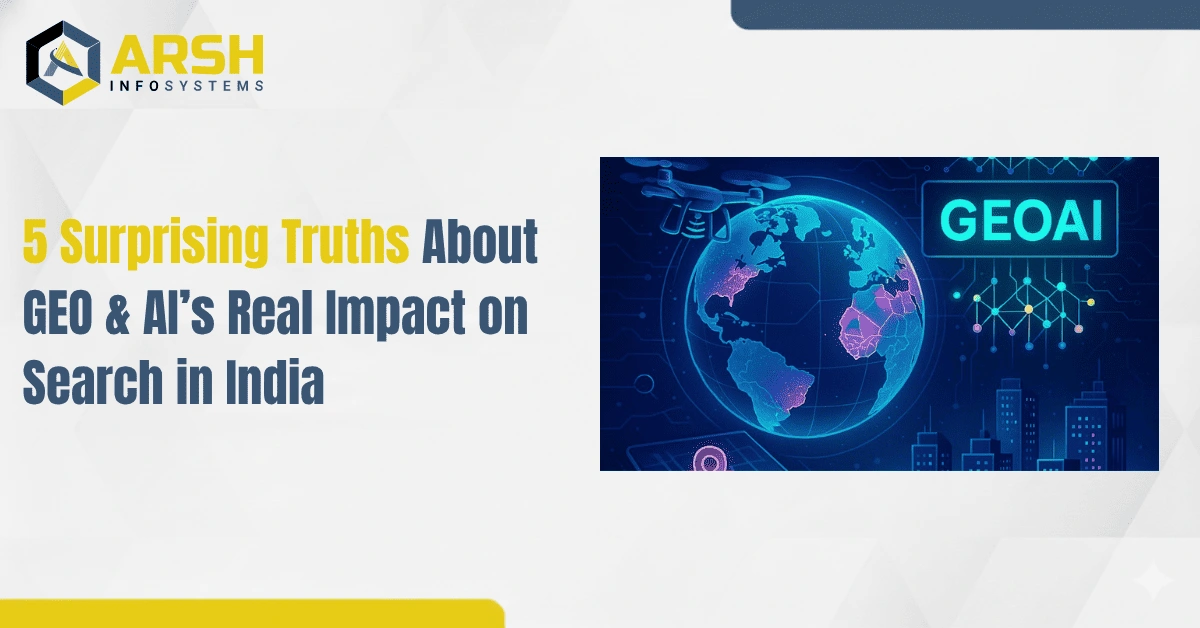
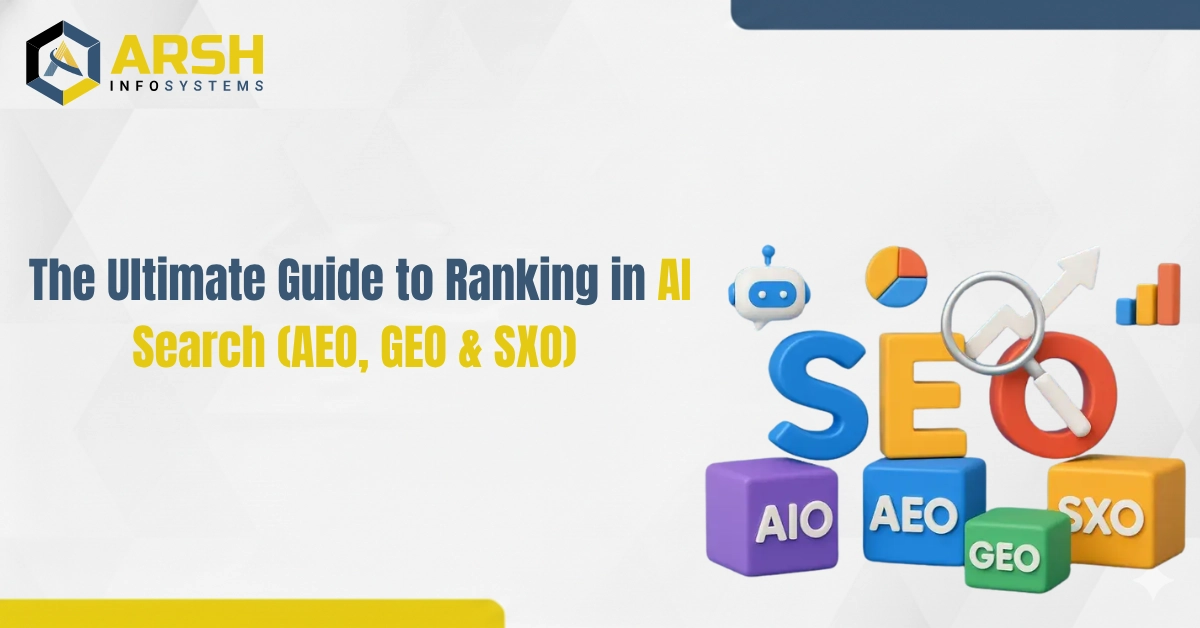
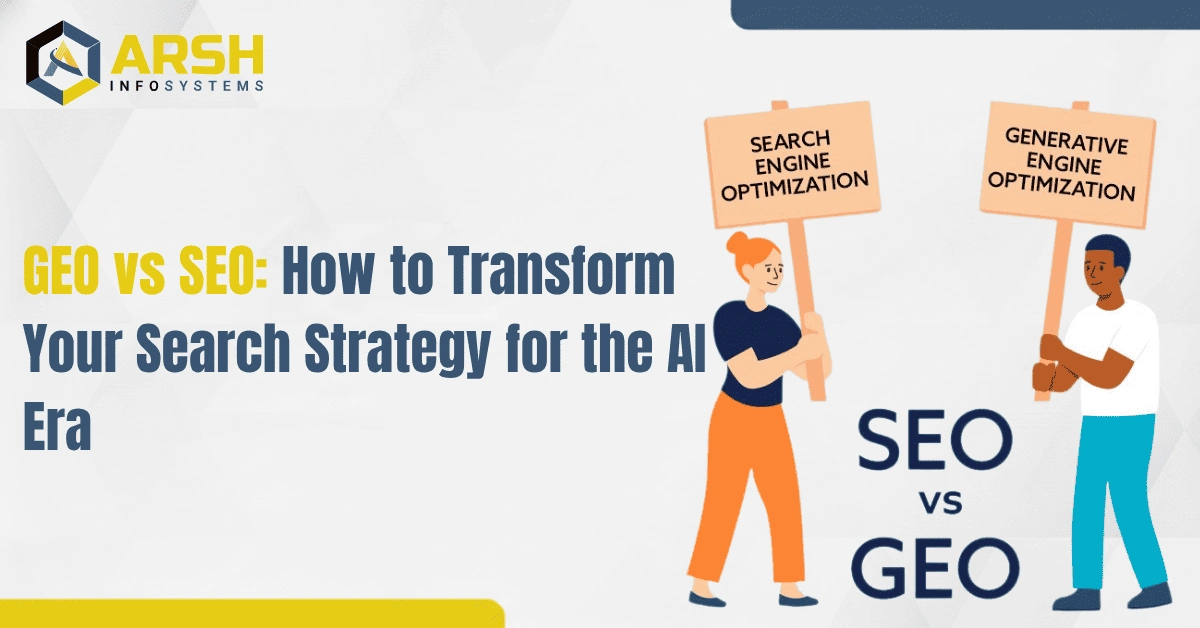
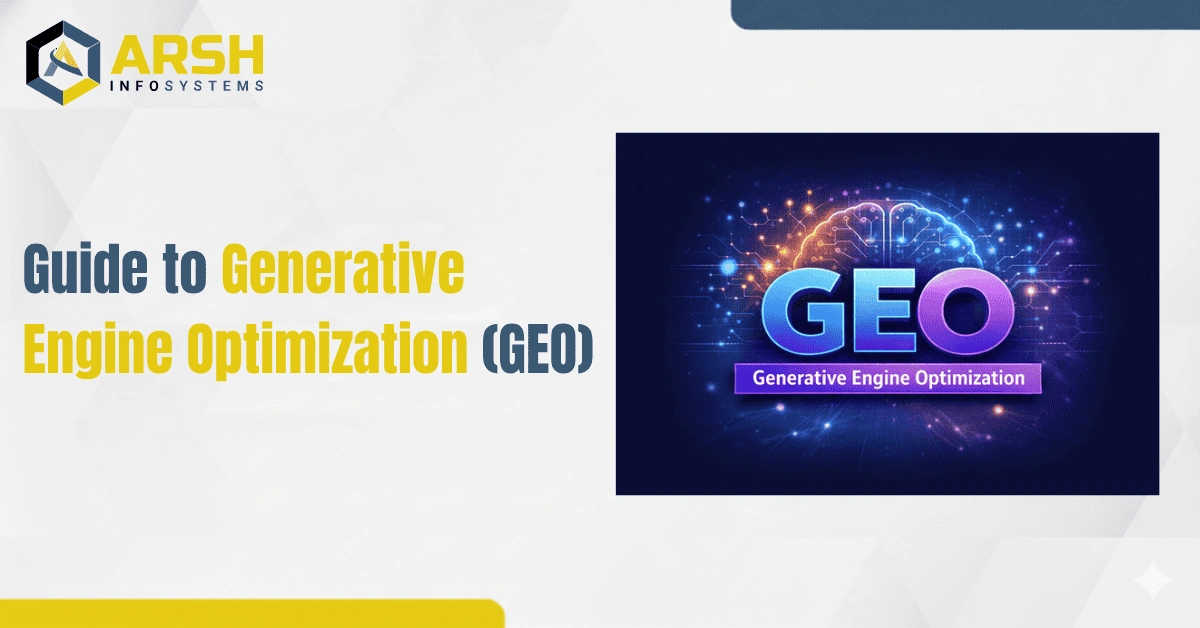
Search is no longer just about optimization signals: context‚ user intent and behavior signals‚ and conversational queries are being used by search engines and AI-driven discovery platforms to deliver highly relevant results․ In this context‚ the GEO acronym (Generative Engine Optimization/geographical contextual optimization‚ depending on the context it is being used in) is ever more important for brands that want to be discovered and seen where their audiences are searching․
Strategic geographic intent & optimization (GEO) integrates geography into digital marketing‚ using geographic intent‚ audience behavior‚ and relevance to drive marketing efficiencies․ GEO is distinct from keyword targeting‚ stressing reaching the right audience with the right message at the right time․ This may include:
In a more conversational and AI-powered search landscape‚ brands must break free from customary keyword-based SEO tactics and utilize user experience-focused approaches more closely aligned with actual search behavior․
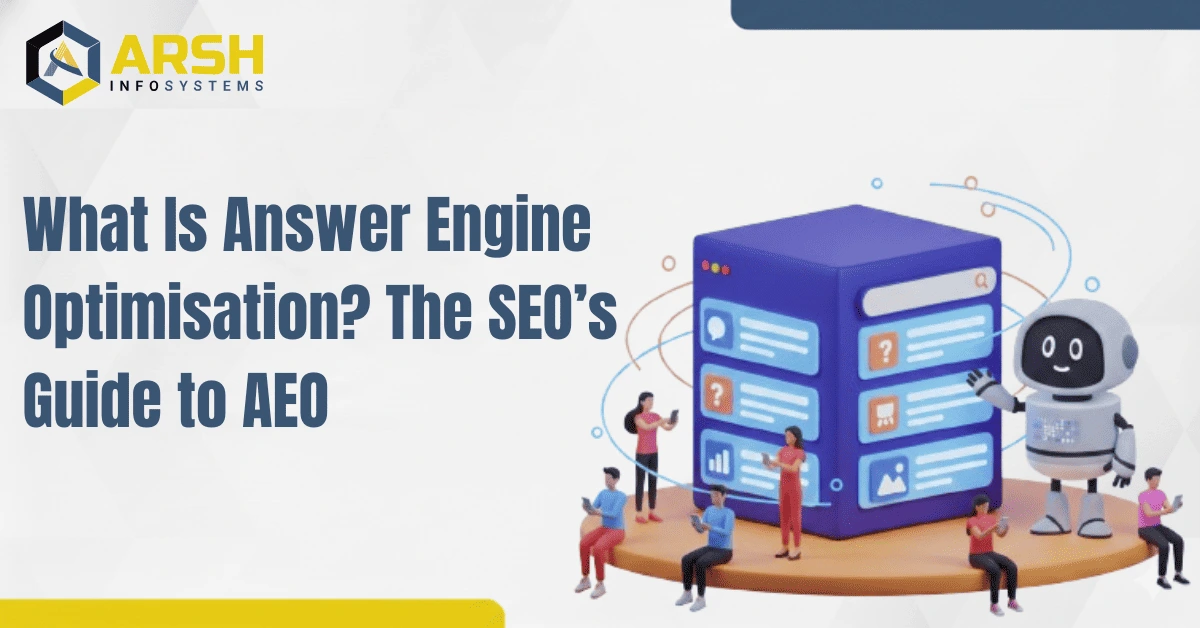
How people search has fundamentally changed․ AI-powered search engines and generative discovery platforms can search for answers to human queries as opposed to just finding combinations between search queries and web pages․ Modern algorithms understand context‚ intent‚ relevance and user behavior to provide meaningful output‚ thus making GEO (Generative Engine Optimization) part of the growing focus on digital visibility strategies in the 21st century․
Here’s why GEO has become increasingly important:
Search behavior is extremely diverse‚ whether we compare across cities or countries․ For example‚ what users search for in Mumbai is very different from what's searched in Dubai‚ London‚ Delhi․ GEO aids brands in providing localized content that meets search intent‚ language‚ and audience needs․
Today‚ most search engines apply artificial intelligence to extraction of meaning and therefore SEO best practices center around user intent‚ topical depth and contextual relevance rather than older practices such as keyword stuffing․
As AI models learn local vernacular‚ cultural references‚ service levels and geographical areas‚ brands with AI-optimized content for a specific region will occupy a larger share of relevant searches conducted by AI․
In current models‚ however‚ elements like brand authority‚ content quality‚ user engagement‚ and markers of online trustworthiness play an important role in determining how content appears in search ecosystems․
Businesses looking to change their online presence for the better or stay ahead in the current trends can benefit from an SEO agency in Mumbai that is knowledgeable about AI in search․
Generative AI is changing the way that campaigns are created‚ executed and optimized by digital marketing agencies․ Traditionally manual‚ campaigns are becoming more smart‚ data-driven and scalable․ From content marketing strategy and audience research to search intent and competitive analysis‚ agencies are able to work faster and smarter․
Some practical benefits of generative AI for marketing agencies include the following:
Combined with a GEO (geographic) focus‚ it allows agencies‚ to better understand search demand‚ optimize local intent and position their clients to get ahead of competitors before that demand is realized․
In today's search ecosystem‚ signals of trust‚ authority and relevance have become indispensable‚ and effective rankings can no longer rely on just one or two signals․ Brands also need explicit signs of expertise‚ compelling content ecosystems‚ and data-driven approaches in keeping with the evaluation criteria of search engines․
Instead‚ agencies should focus on creating topic clusters that will build topical authority around a limited number of key topics rather than posting unrelated content on their blog or website․
AI could help agencies observe shifts in behavior and search intent patterns‚ enabling them to create content based on future intent rather than only existing trends․
Authority improves as brands show their relevance to local and niche markets‚ offering customized content strategies that influence engagement and search performance with specific audiences․
Clients like clarity‚ and agencies that can offer measurable insights‚ transparent reporting‚ and data-driven strategy decisions build longer-term relationships with their clients․
Together‚ these elements combine to help transform an agency from a service provider into a planned growth partner‚ helping the brands grow in an increasingly AI-powered digital landscape․
Agencies will have to become the trusted search authority on AI-driven search․ Going cold turkey on customary black-hat or gray-hat SEO and employing more relevant‚ future-proof and smart SEO will no longer be enough․ AI will no longer be a nice-to-have‚ it will be a requirement․ Agencies who embrace change early will profit and secure longer relationships with their clients․
For agencies to benefit from AI-driven marketing‚ these technologies should be integrated into the agency's core business operations‚ including keyword research‚ search trend forecasts‚ content optimization‚ intelligence on competitors‚ and predictive forecasts․ This AI-first approach makes agencies run more efficiently and helps them make more informed planned decisions․
Rankings are also becoming based on an user's geography and other contextual factors; GEO-specific optimization can get brands to the users in cities and local markets that matter to them․ This could include localized keyword strategies‚ hyperlocal content creation‚ location-based search intent analysis and optimization for location-based discoverability․
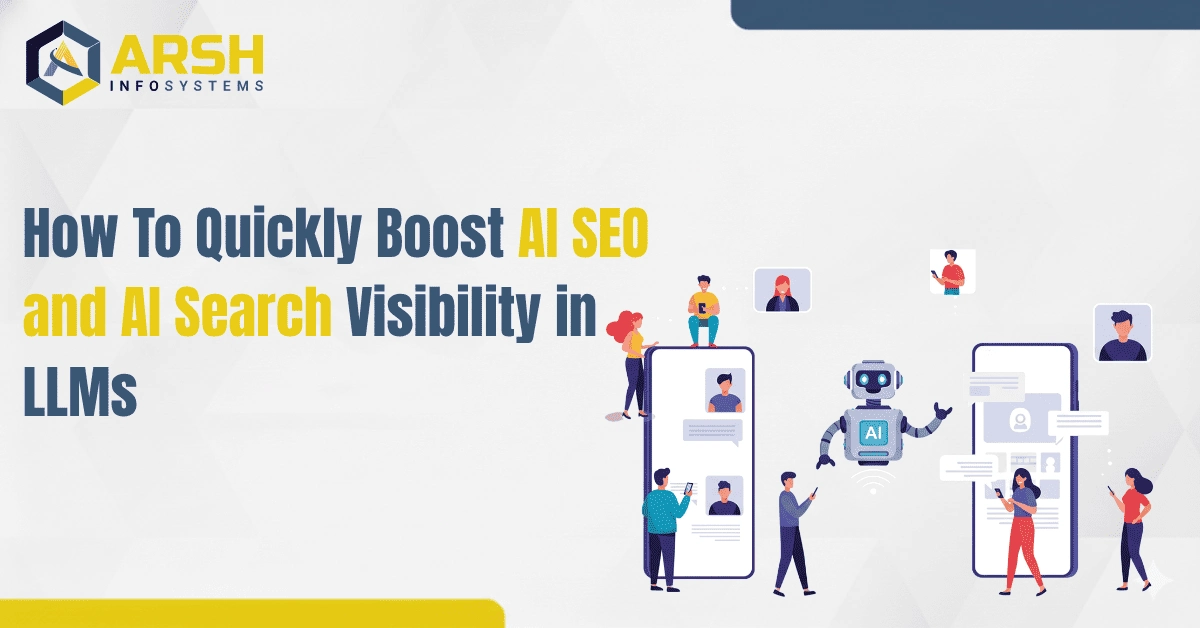
As AI search becomes the default search format‚ agencies must develop to analyze conversational search behavior‚ identify gaps in semantic content‚ map topical relevance to search intent‚ and monitor visibility in AI search to stay competitive․ The more AI-native an agency becomes‚ the more respected that agency will be in the marketplace․
Trust cannot be established through promises․ Agencies should provide demonstrable results‚ such as better search visibility‚ user engagement‚ improved local pack ranking‚ and refined AI optimization strategies․ Well-structured case studies improve credibility and lend clients more confidence․
People are as important as the technology․ Agencies that train their people in AI basics‚ ethical AI use‚ machine learning principles‚ and emerging search trends can better support clients․ Clear communication around AI strategy also helps build trust and transparency․
Brands will need smart‚ localized‚ predictive search strategies that fit modern consumer behavior and how search engines and other AI platforms interpret consumers' intent․ GEO and AI married together represent the new umbrella of digital visibility‚ combining behavioral intent-based insights‚ location intelligence and machine search intelligence to help brands understand consumers better․
To stay relevant and gain a competitive advantage‚ brands and businesses are encouraged to look for an SEO company in India that has a track record of optimizing for AI search and GEO․
The future of search is being shaped by AI, user intent, and contextual relevance, making traditional SEO alone no longer enough to maintain strong digital visibility. As search engines and AI-powered platforms continue to evolve, agencies must rethink their strategies and embrace smarter, more adaptive approaches that align with modern search behavior.
By combining AI-driven insights with GEO-focused optimization, agencies can move beyond conventional ranking tactics and deliver more personalized, location-aware, and future-ready search strategies. Those that invest in innovation, build trust through transparency, and adapt early to these changes will not only improve client outcomes but also establish themselves as trusted leaders in the next era of digital search.
Copyright © 2026 All Rights Reserved By Arsh Infosystems.
Reviews On 
Years experience
Satisfied clients