Komal Saim May 7, 2026


Komal Saim May 7, 2026
In the current dynamic world of the internet, content has become very important in the performance of websites on search engines. Businesses are always seeking methods of enhancing their visibility and one of the most frequently asked questions is: what works better in SEO, AI generated content or human-written content?
As AI tools rapidly gain in popularity, automation is being examined by many companies with a view to generating content more quickly and in volume. Meanwhile, human-created content remains unique in terms of its creativity, depth, and personal appeal to the readers. The actual problem is not which one to use more than the other but how to use both of them effectively.
The companies such as Arsh Infosystems are assisting companies to balance AI effectiveness and humanism to yield positive results on the internet.
This blog will first deconstruct the concept of AI content and human-written content, then discuss why this comparison is important to the field of SEO, and lastly examine how the two strategies can complement each other to achieve greater results.
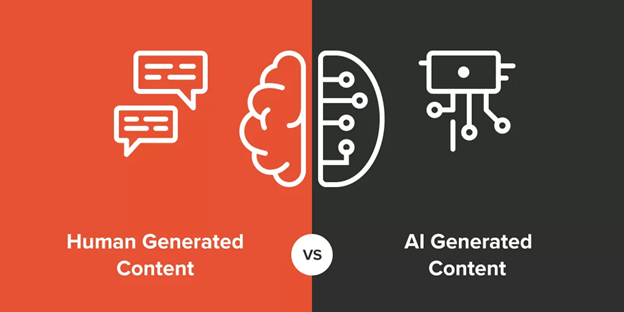
AI content is written content that is generated with the help of artificial intelligence. These aids produce text in response to user queries, keywords, and patterns as they have been trained on extensive data. Businesses can also create different kinds of content like blog posts, product descriptions, the copy on the website, and social media captions with the help of AI instead of creating them manually.
AI does not simply come up with random text: it processes data, interprets the context and presents the content in the manner that would be agreeable in terms of search and readability criteria. This gives it a strong support component in content creation particularly when you have a need for speed and scalability.
Fast Content Creation
AI is also able to produce high quality drafts within a few seconds and thus saves a lot of time when it comes to content production.
Cost-Effective Solution
It reduces the content staff size requirement and assists businesses in saving on writing and operating expenses.
SEO-Oriented Structure
AI tools also tend to adhere to the SEO guidelines, including its appropriate formatting, key positioning, and readability.
Data-Driven Approach
The content is created according to the trends, patterns and the available data, which makes them much closer to what the user is searching.
Scalability
With AI, companies are able to generate high amounts of content in a consistently growing way without sacrificing the fundamentals of structure and quality.
Writers produce human content based on their creativity, experience and knowledge of the audience to create meaningful and interesting content. Human-written work is more relatable and more impactful in that human writers add context, emotion, and personal insight to their work, unlike automated tools.
The content created by people does not merely provide information but engages with the readers, narrates stories, and is based on the real opinion. This is particularly useful with brands that would like to gain trust and create a powerful voice.
Emotional Connection
Human authors are able to write feelings and create content that appeals to readers.
Stronger Storytelling
They are able to produce powerful stories that are attractive and hold the audiences to watch.
Originality and Creativity
Human content will be fuelled by original concepts, new dimensions and innovative thought.
Audience Understanding
Depending on the needs and expectations of a particular audience writers can change tone, style, and messaging accordingly.
Trust and Authenticity
Human-written content is perceived to be more authentic, which can be used to earn credibility and long-term relationships with the audience.
The decision between AI generated content and human generated content is not solely a question of creativity but a question of direct effect on the SEO performance of your website, user engagement and brand credibility. With AI-enabled SEO strategies in the constant state of development, it is now necessary to comprehend how to strike the right balance between the two methods in order to succeed in the long-term.
Search engines such as Google are centered on providing useful, relevant, and quality content to the users. It does not matter who produces the content, be it an AI or a human being, but the value, accuracy and usefulness of the content is what matters. The content that effectively responds to user queries will have a better chance of ranking high.
Articles that are readable, informative and interesting make users spend more time on your site. This enhances major SEO indicators like dwell time and lowers the bounce rates. Regardless of the assistance of AI or written by humans, the content must always be reader-focused.
The emergence of AI has changed the manner in which content is produced and even scaled. Companies are increasingly integrating automation with human imagination to remain effective and at the same time quality. It is important to adapt to this change in order to be competitive in the digital arena.
With the increasing number of companies using AI tools, the amount of online content is expanding at an extremely fast pace. This complicates the ability to stand out. Your content should be original, valuable, and insightful to be competitive, not simply optimized with keywords.
| Aspect | AI Content | Human Content |
|---|---|---|
| Speed & Efficiency | Generates content within minutes; ideal for bulk production | Takes more time due to research, writing, and editing |
| Quality & Creativity | Structured and consistent but may feel repetitive or generic | Highly creative, original, and engaging with unique perspectives |
| SEO Performance | Follows SEO structure, keywords, and formatting effectively | Better understanding of search intent; creates more meaningful, user-focused content |
| Accuracy & Context | May produce outdated or incorrect information at times | Fact-checked, context-aware, and more reliable |
| Emotional Connection | Limited emotional depth; more data-driven tone | Strong emotional connection through storytelling and real-life experiences |
SEO is not merely a matter of adding keywords to the content anymore. It has become a user-first strategy in which the emphasis is on providing actual value, responding to questions in a manner that is clear, and meaningful experiences to the readers.
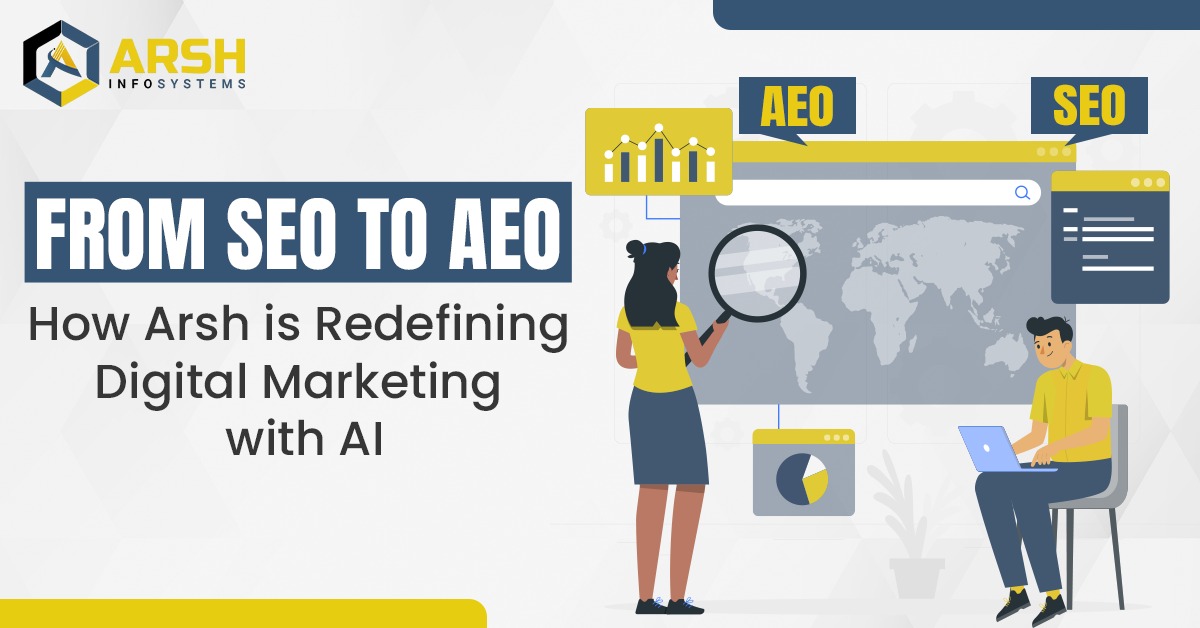
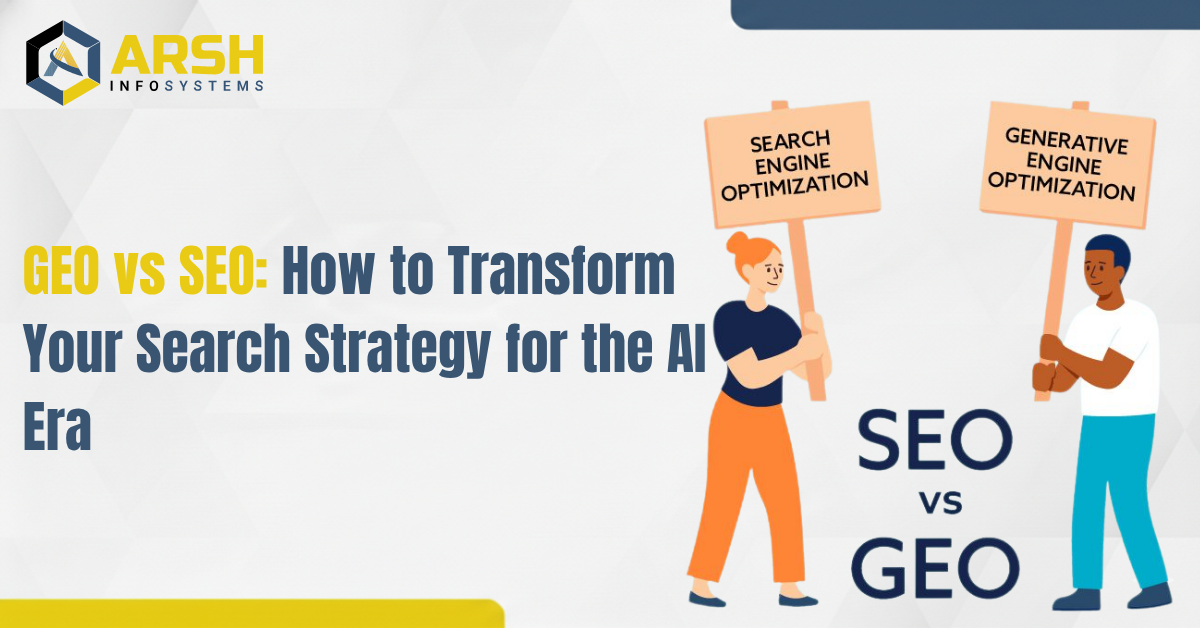
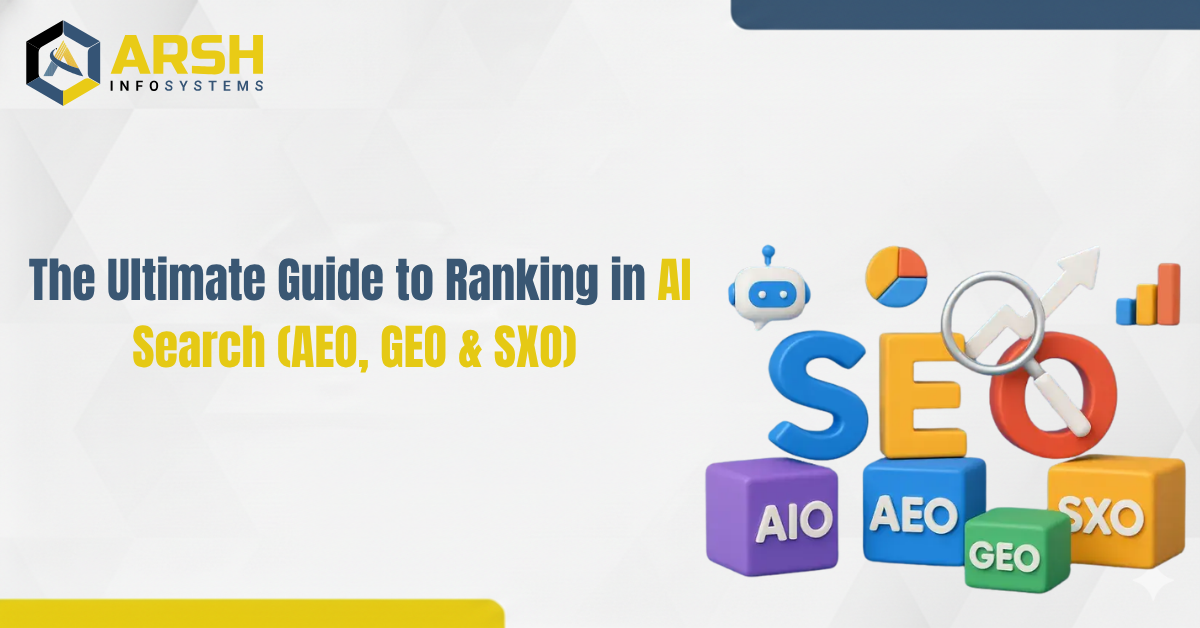
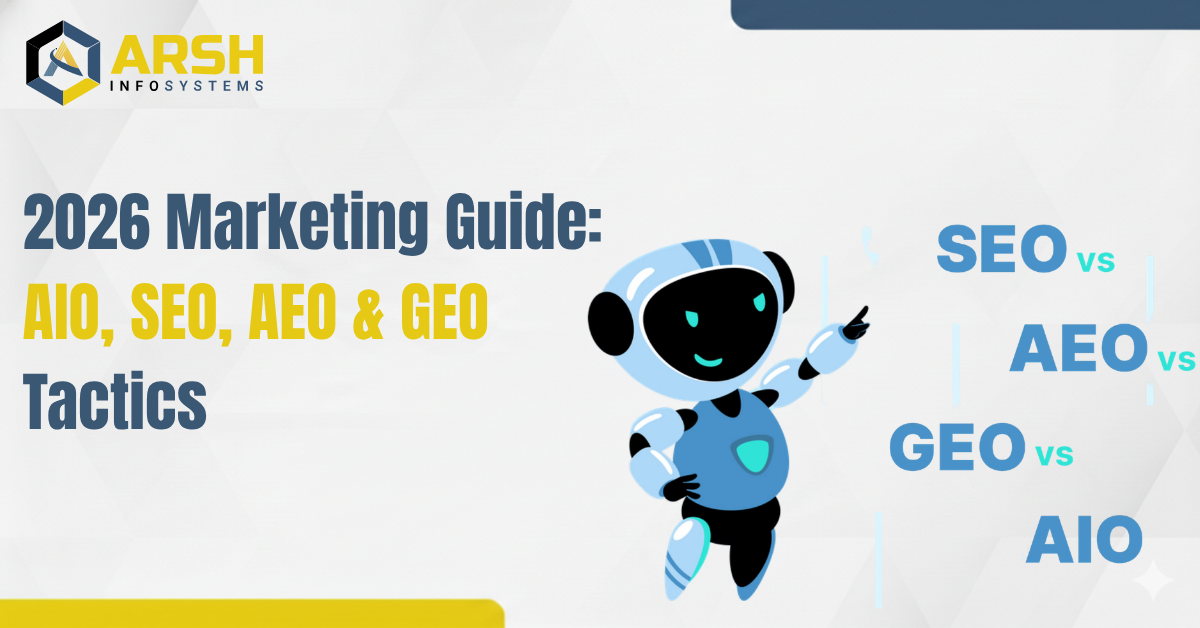
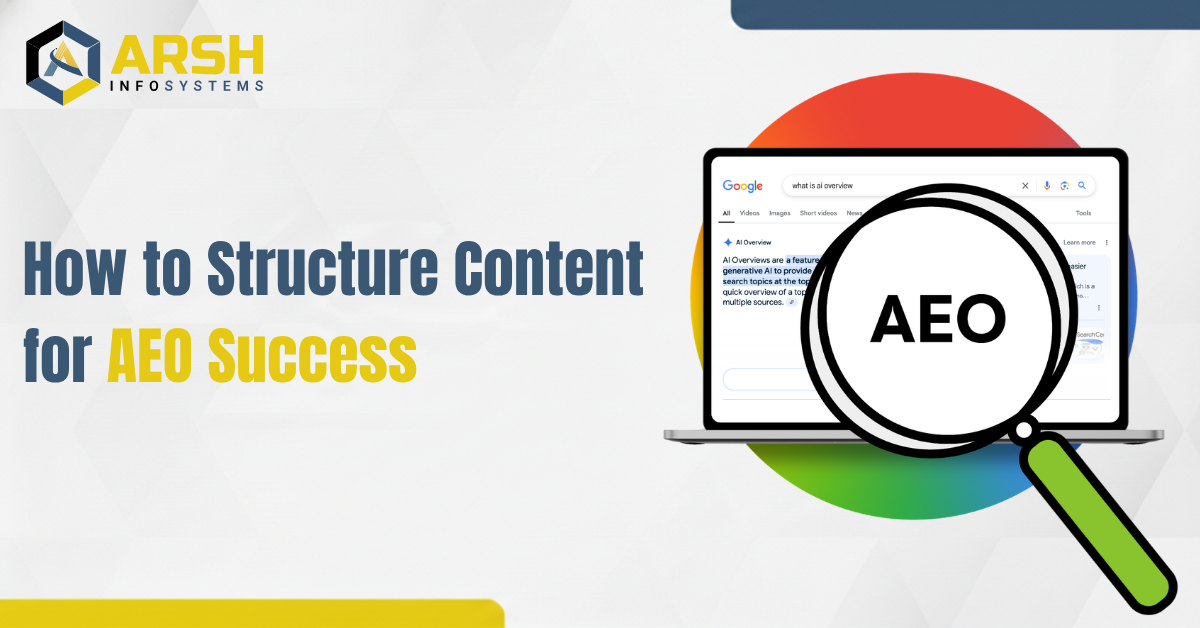
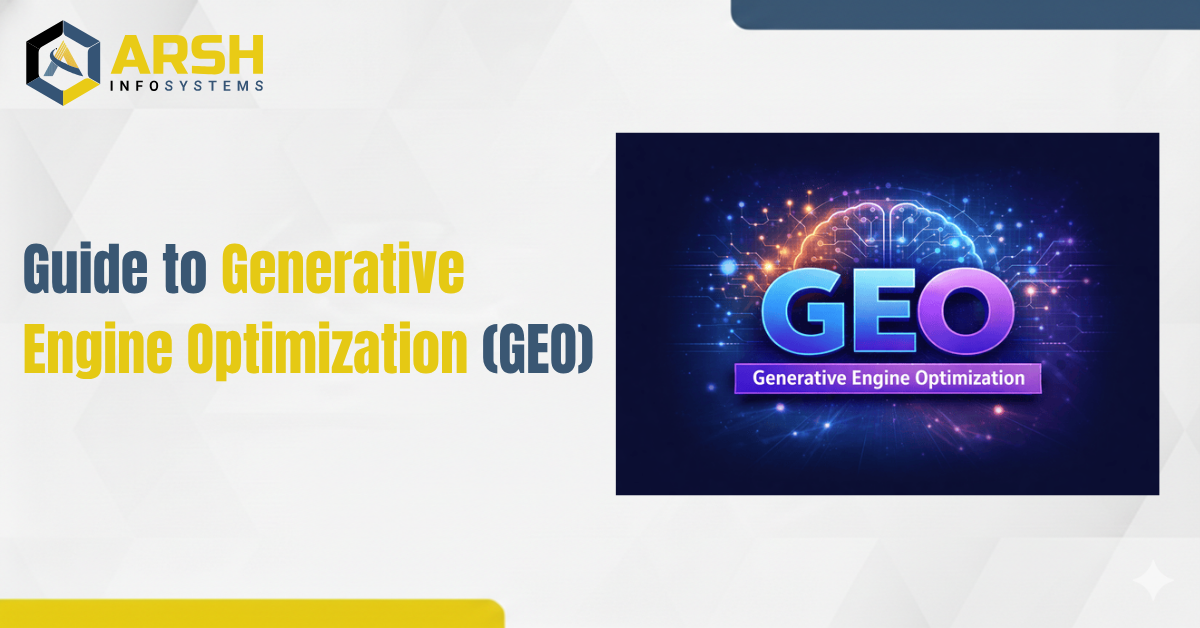
The two notable concepts, which have influenced this change, are AEO (Answer Engine Optimization) and GEO (Generative Engine Optimization).
AEO is aimed at giving direct, simple answers to user queries- assisting content in featured snippets, voice search and quick answers.
GEO is concerned with how to optimize the content on AI-based platforms and generative search engines where the answers are generated dynamically using various sources.
Both AEO and GEO are becoming crucial elements of contemporary SEO practices as search engines such as Google are giving more preference to helpful/intentional content.
Conserves Time and Energy
AI is able to create content fast, and it takes less time to write and prepare the first draft.
Perfect in Bulk Content Creation
Ideal when it comes to creating vast amounts of content like the description of products, category pages, and FAQs.
Supports Keyword Optimization
The AI can be used to organize the content using appropriate headings, keywords, and formatting in accordance with SEO.
Cost-Effective
Saves companies money on content creation, particularly when it comes to repetitive or high volume tasks.
AI is best applied in simple tasks such as blog posts, product descriptions, and information that prioritize speed and consistency.
Limited Originality
AI usually bases its work on the current trends in the data, and this may produce content that is less original or more common.
Risk of Inaccuracy
Otherwise it can create out-of-date or wrong information.
Weak Emotional Connection
AI is not good at producing highly relatable content or content that is emotionally engaging.
Generic Tone
There is a danger of content being robotic or devoid of an individual brand voice.
High-Quality and Engaging
The content produced by human writers is considerate, detailed and interesting.
Strong Storytelling Ability
They are able to convey concepts using interesting stories that capture the attention of the reader.
Develops Trust and Credibility.
True-to-life, researched content assists in gaining authority and reaching the audience.
Original and Unique
The imagination of man gives to each work a new vision and new ideas.
Time-Consuming
A lot of time and effort is taken in research, writing and editing.
Higher Cost
It may be more costly to hire professional writers or agencies than AI.
Limited Scalability
Creating lots of content regularly may be tough.
It is not about the decision between AI content and human content but rather a combination of the two. An equal approach enables companies to grow effectively without compromising quality, creativity, and originality.
Hybrid Content Strategy
A hybrid solution combines the efficiency of AI and the skills of human authors:
Research and Structure with AI
AI is able to produce lines and infer topics and to structure data in a way that is
Use Humans for Refinement and Creativity
Human authors provide richness and precision, branding voice and resonance to the writing.
This mix will not only make your content efficient to create, but it will also have value and appeal to your audience.
Digital Marketing Agency Role
The modern content strategy management may be complicated, particularly due to the emergence of AI-based SEO. A lot of companies prefer to collaborate with specialists to achieve the best outcomes.
Collaborating with the appropriate agency can assist you:
To illustrate, such agencies as Arsh Infosystems specialize in integrating the use of AI-based operations with human skills, assisting companies to experience sustainable development with the help of SEO and content marketing.
1. Focus on User Intent
Understand what your audience is searching for and provide clear, helpful answers.
2. Keep Content Simple and Clear
Avoid unnecessary complexity—write in a way that is easy to read and understand.
3. Use Keywords Naturally
Integrate keywords smoothly without forcing them into the content.
4. Structure Your Content Well
Use headings, subheadings, and proper formatting to improve readability.
5. Make It Informative and Engaging
Provide real value instead of just filling space with words.
6. Update Content Regularly
Keep your content fresh and relevant to maintain rankings.
The future of SEO is in cooperation between AI and human creativity. AI is going to keep on developing and becoming more efficient, however, human understanding will still be needed to be creative, reliable, and communicate honestly.
Google and other search engines are becoming smarter, and place more emphasis on the content that actually benefits users as opposed to content that only exists to be ranked.
In the question of the AI content versus the human content, it is not about either or both but the correct use of both. They both possess their advantages and when used in combination, they can provide potent SEO output.
AI is fast, scalable, and efficient and can be used to manage large amounts of content and facilitate structured and SEO-friendly writing. Human content, in turn, adds creativity, authenticity, and a better grasp of what the audience needs, things that are really engaging to the reader and foster trust.
Copyright © 2026 All Rights Reserved By Arsh Infosystems.
Reviews On 
Years experience
Satisfied clients