Komal Saim May 15, 2026


Komal Saim May 15, 2026
Search as we know it has changed more in the last two years than it has in the last ten․ The act of searching isn't limited to typing a keyword into a browser and the consumer's journey doesn't end with a single website․ Everywhere social feeds‚ short video‚ long video‚ shopping experiences‚ AI predictions often before a search is even considered․ This is changing the game about where marketers build brands‚ build trust‚ and build influence․
For the companies that are most affected by this shift and the interplay between social media‚ AI systems‚ and new-age search behaviors‚ partnering with Arsh Infosystems means choosing a discovery-first approach that is customized to the new way your audience engages with information‚ comparisons‚ and brands online․ Arsh Infosystems helps your brand be discovered across several digital touchpoints․ You benefit from a first-mover advantage and stay ahead of the game in an era where discovery happens everywhere at once․

Search has evolved beyond customary search engines like Google and Bing‚ with services like Instagram‚ YouTube‚ TikTok‚ Reddit and LinkedIn now the primary source of discovery and where search behavior consists of users looking for answers‚ reviews‚ tutorials‚ recommendations and comparisons․
For young consumers‚ social media is often the first place they hear about ideas and brands relevant to them․
If you aren't optimizing your business for these platforms‚ you could be missing out on your most important time to be discovered․
Historically‚ SEO followed a certain pattern:
Problem → Search → Click → Decision
That journey is no longer how people discover or purchase products and services․
The new algorithms optimize for the casual interaction - the short video‚ the quick tutorial‚ the relatable post‚ or the product comparison - to solve the problem even before it's fully articulated‚ in a scroll․
This has changed how discovery works in 2026‚ as search is no longer reactive and only based on keywords‚ but proactive‚ contextual and very algorithm driven․
Brands have seconds to show a value proposition before users leave․
Searches have also become more natural and conversational‚ where people often search with entire questions and real-life situations in mind․
Social platforms are beginning to recognize this behavior․
There is therefore an increasing demand for companies to develop natural-sounding conversational content‚ because it is easier for platforms to recommend․
Social SEO is about understanding what your audience is already searching for․
Tools like AnswerThePublic and Ubersuggest can help find real questions being asked on search engines‚ social media‚ and AI tools․
Content that performs well includes:
The closer the content matches the way people think and speak‚ the more likely it is to be surfaced as the best answer․
Good visuals alone will not make a game․ Algorithms are unable to recommend content they do not understand․
Today's platforms apply a skimming technique similar to the way people read online content:
Content that is repetitive or disorganized is less likely to be indexed or promoted‚ while content organized into sections and subtitles or presented as bullet points‚ helps web pages be more easily understood and shared․
| Traditional SEO | Social & AI Discovery |
|---|---|
| Keyword targeting | Question relevance |
| Search rankings | Feed visibility |
| Click-through rates | Retention & engagement |
| External website traffic | On-platform interaction |
| Backlinks | Saves, shares & conversations |
This evolution also explains why platforms like LinkedIn command higher advertising costs. Businesses are paying for high-intent attention and professional engagement not just impressions.
Social platforms increasingly reward keeping users within the platform ecosystem itself․
Features like:
Stays within the boundaries of the platform․
Overuse of external links can also decrease reach‚ as these links encourage users to leave the platform․ Retention has become one of the most prominent visibility signals in content today․
Direct conversations have emerged as a key conversion tool․ Platforms like ManyChat also allow brands to automatically start a conversation when an user comments or interacts․
This approach works because it:
Meaningful conversations happen before a visit to a website‚ or before a purchase․
Social media content now extends beyond just social reach and impressions․
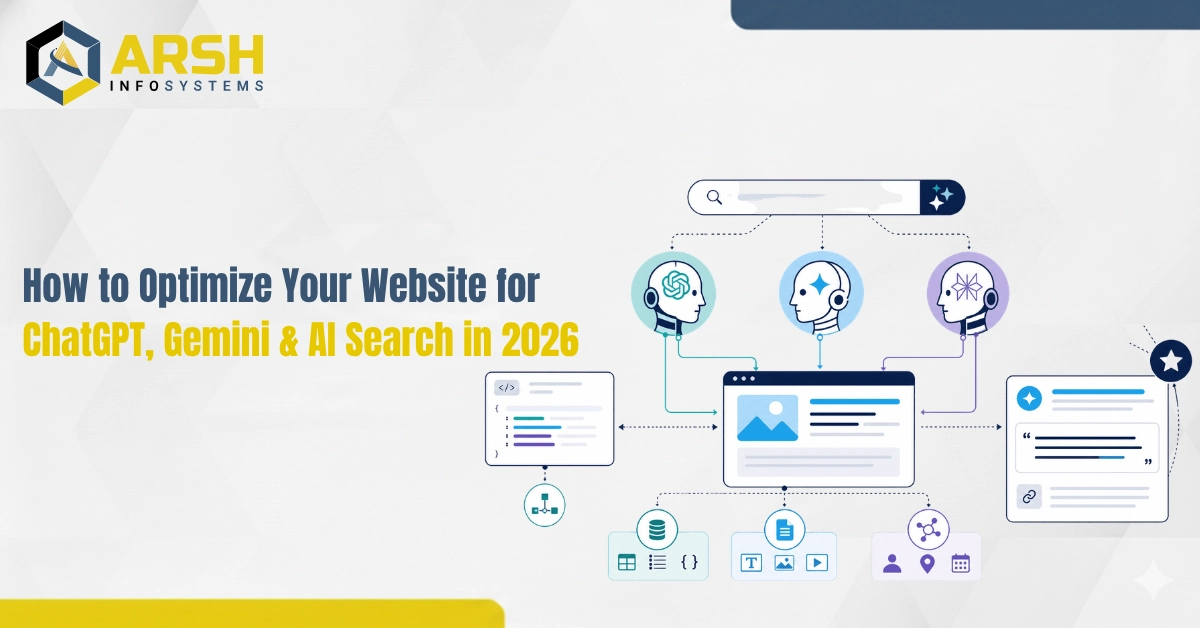
Systems such as ChatGPT and Perplexity typically use:
Even if that visitor never makes it to your website‚ your content may have influenced their purchase․
Discovery comes much earlier than attribution can be measured․
Customary analytics alone cannot tell the whole story․Brand trust and influence usually occur before the click․
Noteworthy current measures of discovery include:
If only a small portion of your reach is coming from search surfaces‚ your content may not be optimized for modern systems․
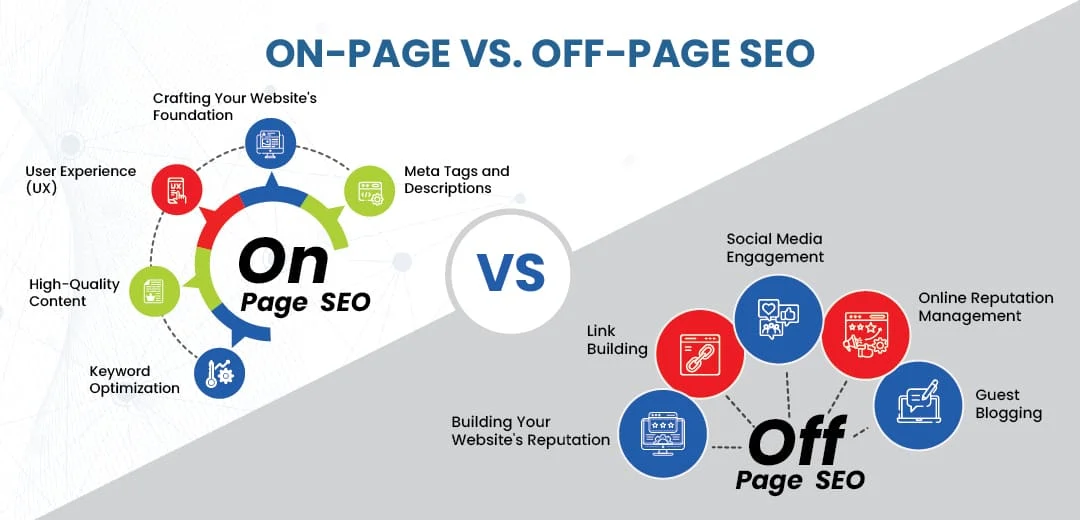
Social media SEO is not a one-off effort but a continuing process with multiple components․
This mirrors modern AI-generated search engine optimization (SEO) efforts‚ which send signals of credibility across a variety of platforms and environments․
The future of search is no longer limited to search engines alone. In 2026, discovery happens across social platforms, AI systems, communities, and personalized content feeds often before users even realize they are searching for a solution.
Brands that continue relying only on traditional SEO strategies risk losing visibility in a world where attention is fragmented across multiple platforms. Success now depends on creating content that is conversational, structured, platform-native, and genuinely valuable to the audience.
Copyright © 2026 All Rights Reserved By Arsh Infosystems.
Reviews On 
Years experience
Satisfied clients