Komal Saim May 5, 2026


Komal Saim May 5, 2026
A new type of discovery is emerging: When people ask a question today and your brand is not on their voice assistant or instant answer panel‚ that's usually not a keyword issue․ It is often much deeper․ The search model has shifted․ Search engines are now moving from a model based on links and tags to one where they understand intent‚ context‚ and meaning‚ synthesizing the best knowledge available to generate an answer to questions in real time․
This leads to a more clever‚ human-friendly view of SEO‚ where machines such as AI platforms‚ chatbots‚ or voice search engines care less about keyword density‚ or links‚ than they do about relevance‚ trust‚ and context; it's no longer enough to rank‚ your content now has to be understood‚ summarized‚ and promoted as the most appropriate response to a query․
It takes new skills to be able to leverage these systems as they learn to consume and process information․ Learning how to structure that information‚ give clear answers and add real value are the new drivers of digital marketing success in this new world․
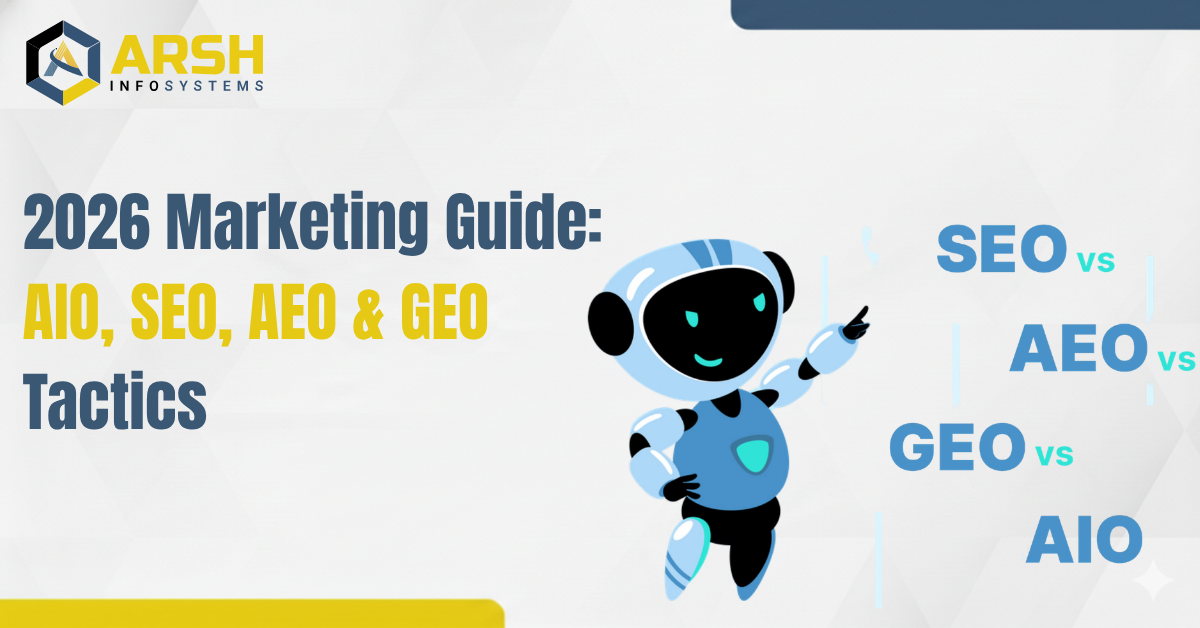
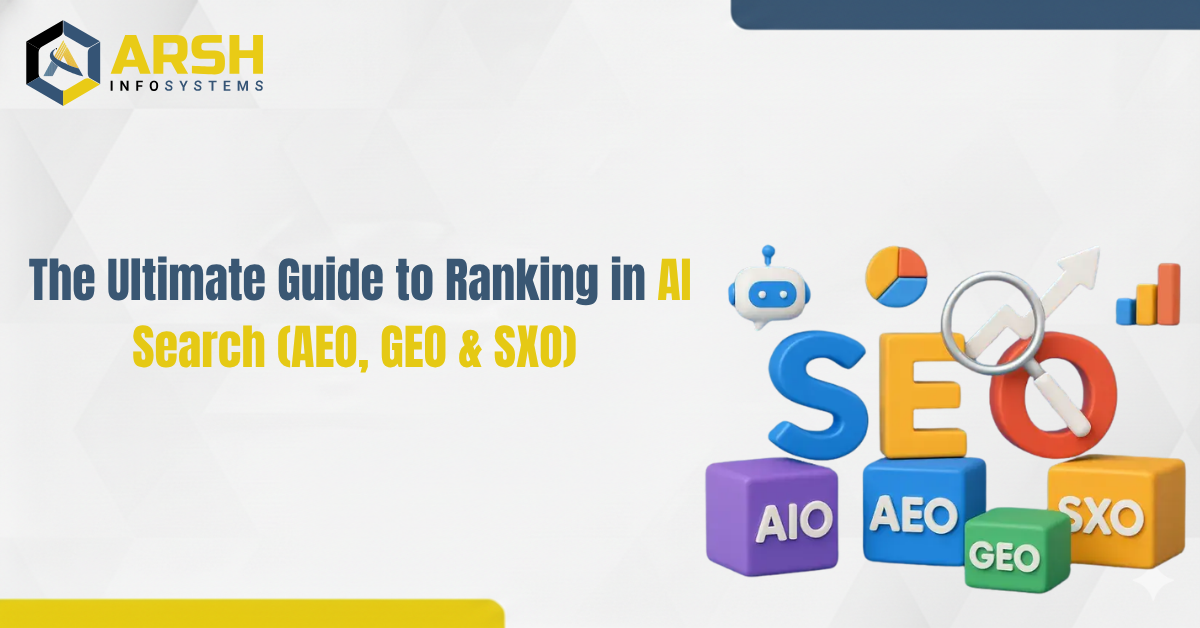
By the end of this guide‚ you'll understand how AI search works and what is required to make your content discoverable via it using three modern types of content optimization: AEO (Answer Engine Optimization)‚ GEO (Generative Engine Optimization) and SXO (Search Experience Optimization)․ The core principle of these approaches is to create content that meets user needs as and when they arise․
AI Search Optimization refers to how to optimally structure your content in a way that makes it easy for an artificial intelligence system to find‚ interpret‚ and use it to answer an user's question‚ as opposed to optimizing for search engines to rank your content․
These days‚ search engines look at intent‚ seek out meaning‚ and deliver an answer․ For web authors‚ that means these small things make a big difference in whether your content gets chosen by an AI-based tool or not․
So rather than just being the link that contains a piece of information‚ now you have a chance to actually be the answer․
The content for this new medium must be:
Artificial intelligence-based search applications are crawling every page of the web‚ and sending back the web pages that provide complete and correct answers in the most efficient manner‚ leaving behind lists of links․
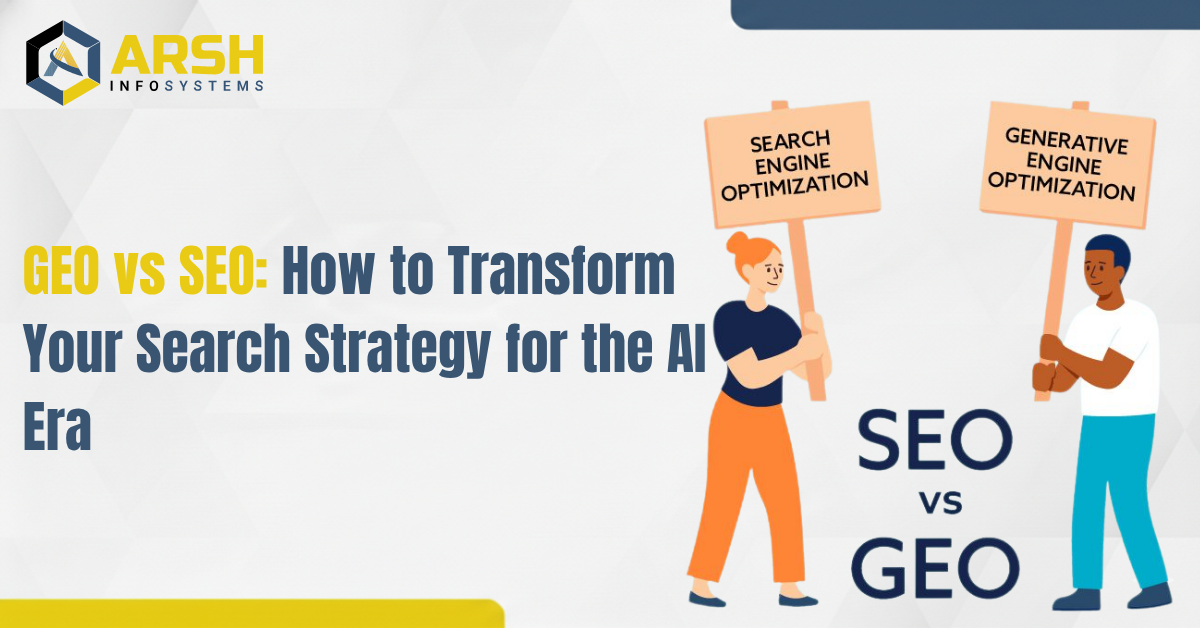
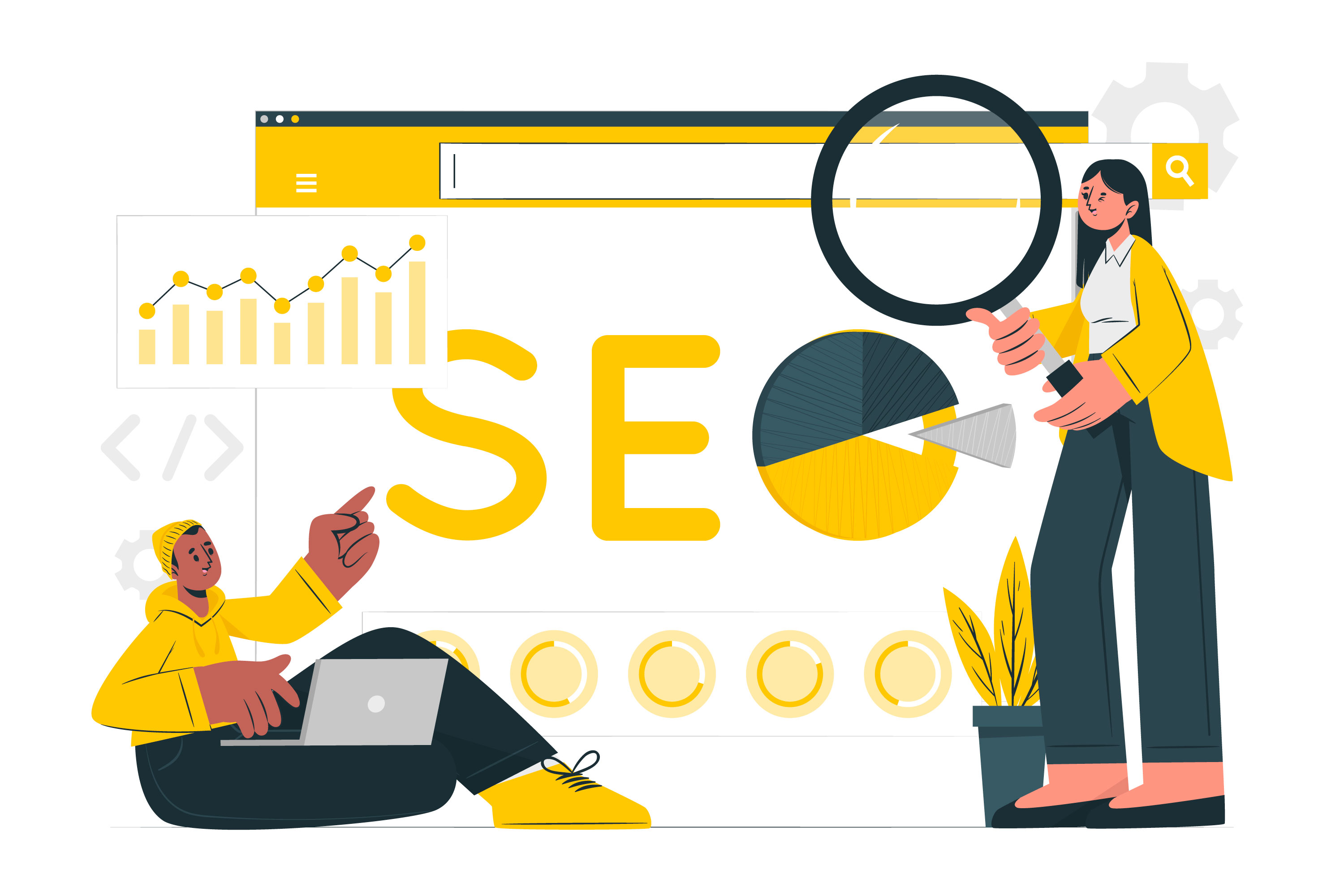
Search engine optimization‚ or SEO‚ is making improvements to your website so that it appears higher on a search engine's results pages and attracts more visitors or clicks․
AEO also optimizes content for direct answer boxes․ A direct answer box is a featured snippet that appears on search engines or voice search results and is more likely to be selected when an user asks a question․
GEO is about optimization so that artificial intelligence tools or other generative systems will include that content in the responses and output they produce․ In short‚ it is optimization based on AI․
Unlike customary SEO‚ SXO focuses on the user experience: Once the user has found your content‚ the best search experience is to give the user the best‚ most credible user experience․
| Aspect | SEO (Search Engine Optimization) | AEO (Answer Engine Optimization) | GEO (Generative Engine Optimization) | SXO (Search Experience Optimization) |
|---|---|---|---|---|
| Primary Goal | Rank higher on search engines | Appear in featured snippets & quick answers | Get cited in AI-generated responses | Improve overall user experience & trust |
| Focus Area | Keywords, backlinks, technical SEO | Direct answers to user queries | Context, entities, and authority | User journey, engagement, and satisfaction |
| Search Output | List of links (SERPs) | Short answers (snippets, voice results) | AI-generated detailed responses | Seamless and valuable user experience |
| Content Style | Keyword-optimized content | Question-based, concise answers | In-depth, structured, contextual content | User-focused, interactive, easy-to-read content |
| Key Ranking Factors | Keywords, backlinks, site speed, authority | Structured data, clarity, relevance | Trust signals, citations, expertise, consistency | UX design, dwell time, engagement metrics |
| Platforms | Google, Bing | Google Snippets, voice assistants | AI tools like ChatGPT, Perplexity | Websites, apps, multi-platform presence |
| Optimization Techniques | On-page & off-page SEO | FAQ schema, featured snippet targeting | Entity optimization, brand mentions, authority building | UX/UI improvements, content clarity, navigation |
| Content Structure | Blog posts, landing pages | FAQs, short answers | Detailed guides, research-backed content | Clean design, structured layout, mobile-first |
| User Intent Handling | Keyword intent-based | Question-answer focused | Conversational and contextual understanding | Holistic user journey optimization |
| Success Metric | Rankings & traffic | Featured snippet visibility | AI citations & mentions | User satisfaction & conversions |
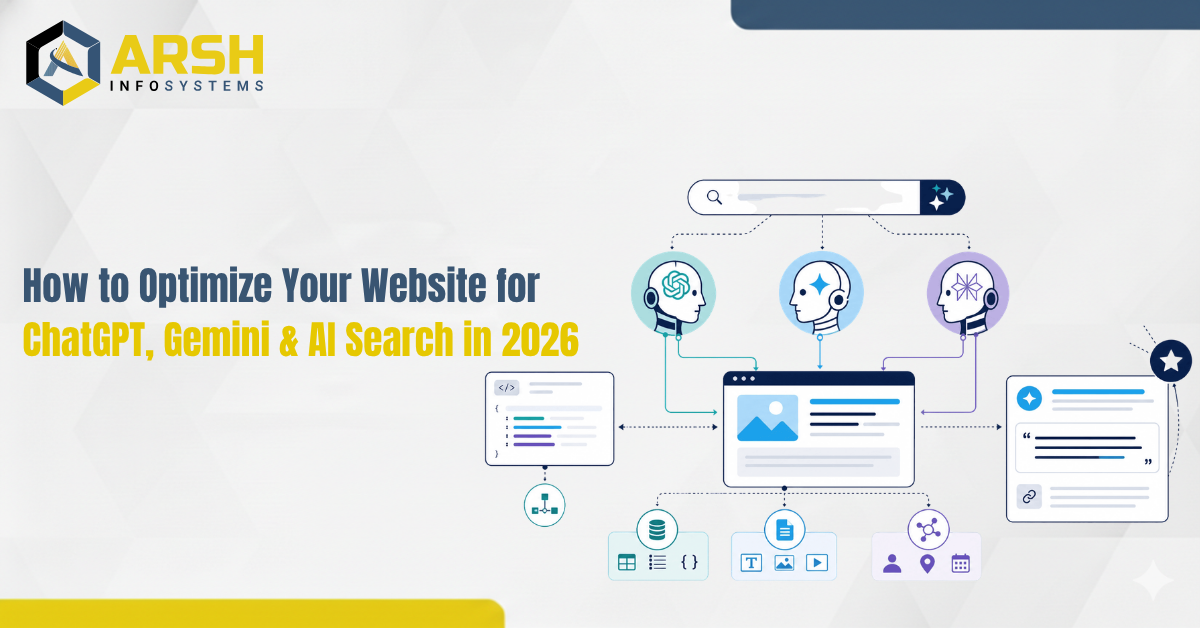
AI-powered search engines are designed to interpret the natural language used in search queries‚ understanding not just keyword matches‚ but also the intent‚ context‚ and what the user seeks․
These systems can be thought of as an interpreter for a question‚ which parses the question‚ understands its meaning‚ and scans multiple data sources‚ returning the best possible answer․ These systems differ from major search engines in that they learn from the data they mine and the questions users ask repeatedly․
A typical sequence of events is:
The difference is with AI‚ rather than just a list of links‚ you get one answer that is very clearly structured․ One good answer is way better than a page of options․
The practical and important change to the search results is that rather than being listed‚ your content appears as part of the answer․ Brands usually win not just by ranking‚ but by being cited‚ referenced and trusted․ It is becoming rather about contextual relevance than pure visibility․
The primary objective of SEO is to improve your site's rank in search engines․
AI Search Optimization shifts the focus from ranking to relevance and usefulness. It prioritizes:
| Level | Stage | What It Means | Key Requirements |
|---|---|---|---|
| Level 1 | Crawlable | AI can access and read your website | Proper indexing, no blocked resources, clean site structure |
| Level 2 | Understandable | AI can interpret and process your content | Clear headings, structured sections, logical flow |
| Level 3 | Trustworthy | AI recognizes your brand as credible | Author credentials, citations & references, consistent messaging |
| Level 4 | Citation-Worthy | AI actively selects and recommends content | High-quality insights, unique perspectives, strong authority signals |
It is 100% true that search is becoming about being the best answer to a query‚ so you need to make it structured‚ meaningful‚ and machine readable content․ Some tips are listed below:
1․ Answer First‚ Then Expand
A good strategy is to answer the main question in the first couple of lines‚ so the AI understands why this information is important․
Example:
Artificial intelligence (AI) search optimization is a digital marketing approach for improving a website's rankings on search engines through AI technologies․
2․ Use Structured Formatting
Organized structure allows both users and AI systems to make sense of content․
H3 subheading This is a subheading format for each section․
This supports scanability and helps AI extract important information․
3․ Implement Schema Markup
Structured data helps your content be more machine-readable when crawled‚ and allows it to be featured․
Common types include:
When providing specific information in your data‚ the AI can understand how to generate content․
4․ Freshness: Keep Content Up to Date
AI systems prefer recent and contextually relevant information․
Regular updates signal that your content is active and reliable․
5․ Build Strong Authority Signals
Trust is key for visibility in AI-driven search․
Your content is also more likely to be cited if it appears credible․
6․ Focus on Entities‚ Not Just Keywords
Modern AI understands topics‚ not just key words․
Instead of keyword stuffing:
This helps to build a better understanding of your content․
7․ Maintain support for multiple platforms
Your site is only a part of what informs an AI․
Get noticed by your target market:
Being consistently present across channels builds your credibility and chances of being mentioned in an AI's answers․
These are the key things you can do to help AI search systems understand‚ trust‚ and choose your content among other content when providing an answer to a question․
Make your content scannable and readable both for humans and AI․
 Schema markup properly included (FAQ‚ Article‚ How-to) The headings matched actual searches Content reasonably organized and broken into sections FAQ section to address common questions․
Seek to provide information that is accurate‚ helpful‚ and timely․
The book was first published in 1952․
Information is accurate and relevant Real-world data‚ examples‚ or insights included High-frequency refreshed newly created contentFoster trust so that AI systems trust your content as credible․
All authors and their credentials are included Reliable sources and references cited Mentioned or linked to by other websites Expertise demonstrated through depth and clarityTo create content that is easily accessible to AI systems․
Fully indexable content (no technical blocks) No paywalls blocking access to information Simple language is used throughout Brand presence among clients and on social media‚ forumsReal-world example of AI visibility․
For example‚ an user might search for:
“Best digital marketing strategy for B2B business”
Instead of presenting a long list of links‚ AI systems:
That means that‚ in addition to competing for the ranking of the answer‚ your content also competes to be included․
If your blog:
Then‚ your odds of being chosen‚ summarized‚ or cited by AI increase exponentially․ Search is not just about being discovered anymore‚ but about being chosen and trusted․
As systems for AI search technology continue to mature‚ the way users search for information is changing․ A few trends to watch out for include:
Voice-based search growth
With more people using more digital assistants to ask more questions in natural voice‚ content will become more conversational‚ direct‚ and understandable․
Personalized Search Experiences
As AI increasingly incorporates user behavior and preferences‚ as well as past behaviors‚ relevance and context are becoming more important․
Credibility became more important
Signals of trust‚ such as author expertise‚ accuracy‚ or reference to known sources‚ are more important than popularity․ AI systems will favor content they can confidently identify as accurate․
Real-Time Content Freshness
Recency: Content published recently and that reflects current social discourse has a higher chance of being selected by AI systems․
Final Thoughts
AI search accomplishes this by focusing more on being the most relevant and trustworthy answer to an user's query rather than just having the top page rank in search engines․ As search engines have expanded their capabilities and begun to better understand intent and meaning‚ the SEO battle has shifted from page rank to relevance․
So‚ future digital marketing lies in how clearly you communicate and structure your content‚ to both users and machines‚ and how much trust you build: The user experience is everything․ The AI visibility pyramid‚ content optimization‚ and all the things we've covered have only one goal: to be recognized as an authority‚ not just to be found․
Copyright © 2026 All Rights Reserved By Arsh Infosystems.
Reviews On 
Years experience
Satisfied clients