Komal Saim June 22, 2026


Komal Saim June 22, 2026
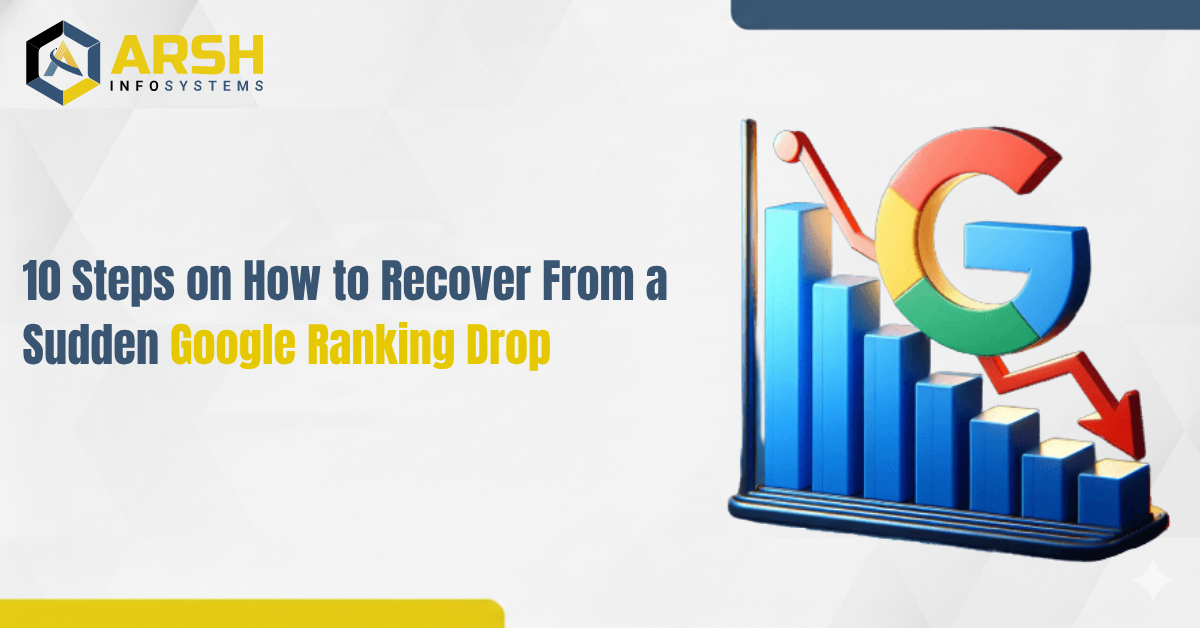
Google ranking decreases can be terrifying for any business. One day, you are getting regular traffic to your site and it's showing up regularly in search results. After that, your rankings suffer, organic traffic goes down and good leads begin to disappear.
You're not the only one who has had this experience. Web owners, marketers and SEO experts face a lot of challenges, such as ranking shifts and visibility drops. Google's search results can change as often as the algorithm updates, a technical snag, content changes, more competition and more ranking factors.
Fortunately, many drops in rank can be detected and rectified. What is important is to refrain from judgement and take a systematic approach in identifying the issue. It is important to understand the factors behind falling rankings to be able to develop a plan for recovery.
This guide will take you through 10 of these steps to help you determine why your webpage lost its rank in Google, correct underlying problems and regain your website's search visibility. These are the steps you can take to improve your SEO performance, whatever the reason for the drop is, whether it's technical SEO issues, algorithm updates, content quality, or backlinks.
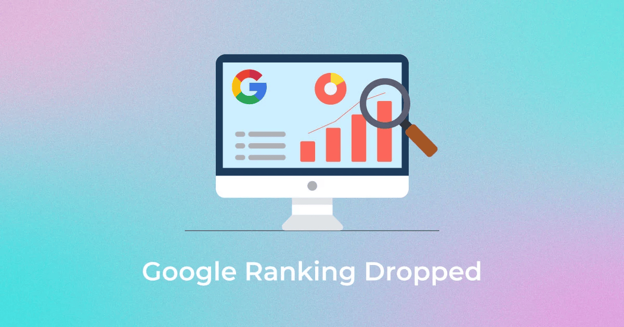
However‚ before coming up with recovery strategies‚ we must first understand the reasons behind the decline․
Common causes include:
When you know about these factors‚ you know where to pay attention and to prioritize in order to improve your rankings․
First‚ determine whether it is simply a fluctuation․ A drop in ranking can be a temporary phenomenon‚ and not necessarily a reason to panic․ It is recommended to check the rankings before making any changes to the SEO as they may change daily based on the search engine․
Use Google Search Console‚ Google Analytics‚ Ahrefs‚ SEMrush and Screaming Frog to find when the drop started‚ which pages and keywords were affected․
Some important metrics to look at:
This will also give you an idea of whether the problem is site-wide‚ or just a handful of pages or keywords‚ which is important to know when you come to recover a dropped site․
The frequent changes in the Google Search algorithm make algorithm updates‚ such as Core Updates‚ the probable reason for an extreme decline in a website's search engine ranking․
If it is time for an update‚ check your site against Google's quality guidelines‚ paying attention to the following:
Pages with high quality‚ relevant content and a good user experience are less likely to be affected by an algorithmic update․ If a website has been incorrectly impacted by an update‚ it is often more effective to work on improving the quality of the site than to simply try to improve its rankings․
The first tool to try to find the problem is called Google Search Console․
Check for:
Coverage Errors
Check pages blocked by "noindex" or otherwise‚ as these can prevent Google from reaching important information․
Manual Actions
Check to see if your Google site has been penalized․
Security Problems
These rankings can be affected by malware‚ hacked pages or other security issues on the site․
Search Performance
Find the pages and keywords that have lost the most value․
If you regularly monitor Search Console‚ you may be able to identify these issues before they become a ranking issue․
Technical issues can have a tremendous impact on your search engine presence․
Conduct a full technical SEO audit to determine:
Also evaluate:
Technical SEO might not be as fun as writing content‚ but it's a vital part of your search performance․ If there are problems with your technical SEO‚ like Google not crawling and indexing your website‚ you probably won't rank even with great content․
There are a lot of drops in ranking that are self-inflicted.
Ask yourself:
It is a common occurrence for websites to lose their ranking during web migration or redesign, due to ignoring basic SEO guidelines.
Review and update important pages to see if certain content has been changed and, if so, re-add valuable elements or information from the previous versions that you want to keep. Even a slight technical error could make a huge difference in your organic ranking.
Backlinks are still a valuable ranking factor. Loss of authoritative backlinks can lead to diminished rankings on keywords and search visibility.
Carry out a comprehensive backlink analysis to find:
Focus on recovering valuable links and acquiring new backlinks from authoritative websites within your industry.
Strong backlinks improve:
Maintaining a healthy backlink profile will still be crucial for long-term SEO success.
Google can penalize web sites that break its guidelines.
Common causes include:
If there has been a Penalty applied:
While it's important to resolve violations to regain rankings, it also takes some time to do so successfully in manual penalties.
One of the best ranking factors now is content itself.
Websites that show:
Consider your content and pose the question:
Update outmoded content by:
Content should match the search intent better than the content produced with only keywords.
Sometimes rank drops can be attributed to the growth of competitors.
Competitors can outrank your pages if their content or authority has improved or their user experience.
To perform a competitor analysis to determine:
Seek opportunities for creating more comprehensive and valuable content.
Knowing what keywords your competitors are ranking for can help inform your keyword recovery strategy.
If you have determined the cause, create a systematic recovery plan.
Pay attention to tasks that will have the most impact:
High Priority
Medium Priority
Ongoing Activities
Recovering from SEO is not likely to be a quick fix. To ensure continuous improvement, it is necessary to continually optimize and monitor.
Ranking drops are common but looking for a cause is the first step to recovery․ Is the problem technical, algorithmic, a content problem or a loss of backlinks? Recovering is usually possible when the cause is known․ Recovery relies on data‚ not assumptions․
You can regain rankings‚ organic traffic and long-term search visibility through regular site monitoring‚ improvements in content quality and following best practices for search visibility․
Copyright © 2026 All Rights Reserved By Arsh Infosystems.
Reviews On 
Years experience
Satisfied clients