Komal Saim Feb 27, 2026


Komal Saim Feb 27, 2026
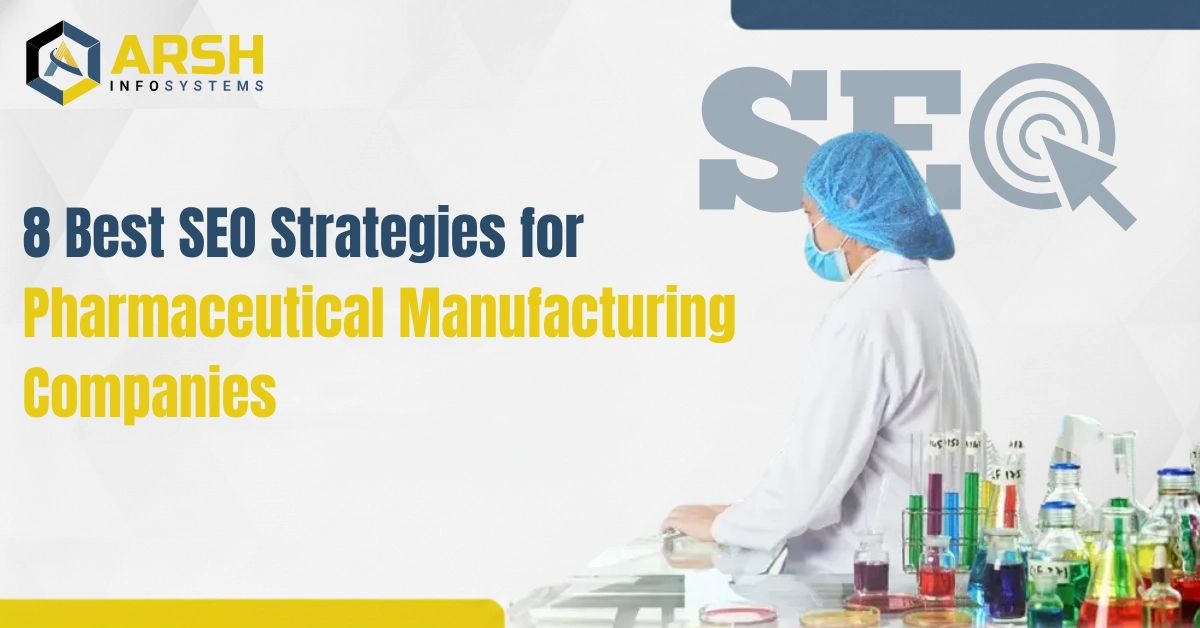
The SEO of pharmaceuticals is more complicated than the standard version in that it should have a balance between the visibility in the search, regulations, and medical correctness. The pharmaceutical companies should develop content that is compliant with the strict industry standards, but at the same time is informative and credible. Moreover, they also have to serve various audiences like patients, healthcare professionals (HCPs), and distributors who need a unique content strategy and a personalised user experience.
In the case of pharmaceutical manufacturing companies, excellent SEO is required so as to gain credibility and enhance the internet presence. With more patients and medical professionals using search engines to find information, a well-optimised and compliant website is an added competitive advantage. Collaborating with an expert advertising agency in Mumbai may assist pharma brands to adopt powerful regulation-oriented approaches that can bring qualified traffic and a long-term rise.
Pharmaceutical SEO is a very narrow form of digital marketing strategy that is aimed at dealing with the specific issues of healthcare and the pharma industry. It also has to strike a balance between search visibility and tough regulatory measures, medical quality, and sensitivity to the audience, unlike traditional SEO. Conformance, credibility, and data-driven optimisation should be a strategic combination to be successful in this space.
AI and Machine Learning are essential to modern pharmaceutical SEO. Sophisticated algorithms are used to analyse user intent, to best optimise conversational search and to best optimise content relevance on the basis of actual search behaviour. This will make your content match the search habits of patients, medical workers, and distributors on the Internet.
There should be Regulatory Compliance. The content should comply with FDA and FTC regulations without violating medical accuracy and ethical standards of communication. Easy disclaimers, balanced risk-information, and fact-driven claims would play an important role in preserving compliance and trust.
Another major pillar is Audience Segmentation. Pharmaceutical brands have various audiences: patients who want to find information about the treatment option, health workers, who want to find clinical information, and distributors who examine product information. Different segments will need different messaging, keyword targeting, and content formats.
Credibility and engagement are built under High-Quality, Scientifically Backed Content. Educational blogs, clinical research summaries, whitepapers, frequently-asked-questions, and patient guides must be precise and comprehensible and backed by reliable medical sources.
Powerful Backlinking makes the domain credible. Achieving linkages with serious medical journals, healthcare organisations, research institutions and publications in the industry enhances search ranking and brand standing.
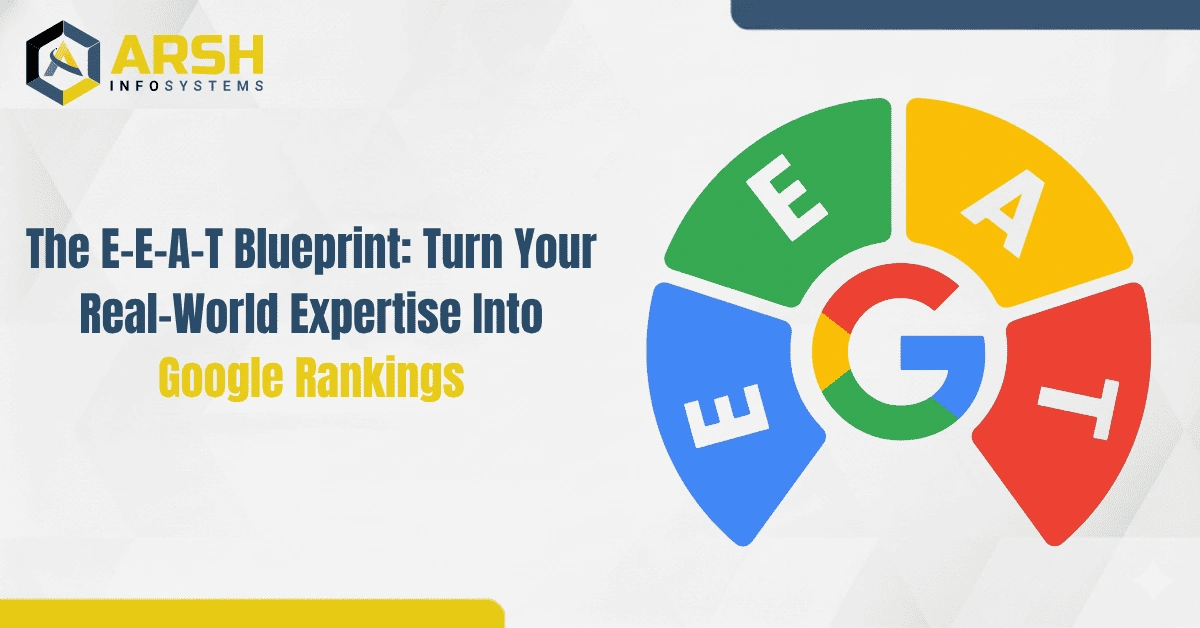
Lastly, it is important to focus on E-E-A-T (Experience, Expertise, Authority, and Trustworthiness) in the pharmaceutical industry. Being medically knowledgeable, referencing credible sources, displaying authority, and having open communication go a long way in improving the performance of the SEO and user trust.
With the tendency of growing use of search engines by healthcare professionals (HCPs) and patients to access medical information, pharmaceutical manufacturing companies need to build their online presence so that they are competitive. Research in the treatment field can nowadays start online with a doctor browsing clinical information or a patient out to find out more about the symptoms or drug information. When your brand is not found in search results related to relevant searches, then you are likely to miss the valuable opportunity to inform, educate and gain credibility in critical moments of decision-making.
The access to medical information has been transformed greatly. Doctors are increasingly utilising virtual sources, internet journals, and medical databases at the expense of traditional print materials. Simultaneously, patients are proactive in exploring credible data concerning disease, treatment, and medication choices before engaging medical specialists. This change is why SEO is now a key tool that pharmaceutical companies should consider to be placed as credible, reliable sources whenever users are in the process of seeking answers.
Good SEO results in high search results, higher organic traffic, and make your site visible to the target audience. In addition to being visible, it develops trust by having medically accurate, well-structured and compliant content. Engagement can also be improved with a well-optimised site with a high level of technical performance and a user-friendly experience, as visitors will further explore the site and will be willing to access research data or to get in touch with your team.
To pharmaceutical manufacturers, SEO is not an instrument of marketing but a strategic expenditure of credibility, authority, and long-term digital growth.
Read Also - SEO for B2B Companies
The nature of pharmaceutical SEO is different compared to the conventional one because it is a highly controlled, information-sensitive environment. It takes a perfect harmony between regulatory compliance, medical accuracy, advanced trends in SEO and B2B targeting strategy without considering that it targets multiple audience segments and that they have different needs to be satisfied.
Regulation to comply with the FDA and FTC is one of the biggest pharmaceutical SEO challenges. All the content should be medically factual, not misleading, and backed by the relevant disclaimers. Claims should also be supported with evidence and balanced in places where risk information is necessary. The smallest compliance mistakes may cause fines, legal liability, or a negative reputation. This makes the process of content review longer and more complex compared to other industries.
The pharmaceutical websites should post materials supported by clinical studies, trials, and data that have been proven. The pharma SEO can also assume a strong partnership between the SEO practitioners, regulatory authorities, and medical professionals, unlike general marketing content. The task is not to break the optimisation of keywords and the relevance of search interests without losing scientific integrity. The latest trends in SEO can assist in making the content discoverable and trustworthy, including AI-based content analysis, the use of structured data, and user intent mapping.
Pharmaceutical firms generally have several customers in mind: patients, healthcare professionals (HCPs) and distributors. Every group needs a different content strategy. Patients seek educational information that is easy to understand. HCPs require comprehensive clinical research, dosage, and research care. Distributors and partners are classified as B2B SEO, which demands product specification, and certifications, supply chain information, and compliance documents.
Pharma B2B SEO is particularly strategic because the decision-makers tend to do intensive online research before forming partnerships. This demands technical optimisation in SEO, trustworthy content, case studies and good credibility of domain.
Balancing these diverse content requirements and ensuring regulatory compliance and making the best use of current trends of SEO is not an easy matter. Nevertheless, when implemented with a multi-layered, well-organised SEO plan, which deals with compliance, E-E-A-T, technical optimisation, and segmentation of the target audience, pharmaceutical brands can gain authority, confidence, and sustainable online development.
Pharmaceutical SEO needs to be done systematically and strategically. In contrast to generic industries, pharma companies need to integrate compliance, medical correctness, technical search optimisation, and content that is focused on the audience to obtain sustainable positions. The key elements to an excellent pharmaceutical SEO are given below.
Having a clear definition of your audience is the initial move into every successful pharma SEO strategy. In the majority of cases, the pharmaceutical manufacturing companies can serve two major groups:
Patients - People who want to find information regarding symptoms, treatments, medications, and management of the disease in easy-to-understand, simple language.
Healthcare Professionals (HCPs) - Physicians, pharmacists, and medics who want access to comprehensive clinical information, medication safety, dosages, and evidence-based clinical research.
The search intent of each audience is different. A patient can query the best treatment of diabetes, whereas an HCP can query clinical efficacy data of a diabetes drug in phase 3 trials. By knowing about these differences, you will be able to produce specific content that not only boosts the ranking but also the engagement of the users.
The pharmaceutical SEO relies on keyword research. It extends past product names and contains disease-specific keywords, treatment choices, symptom-related questions and research-oriented keywords.
An efficient keyword research is:
The ability to map keywords based on the type of audience (patients vs. HCPs) will allow you to create content that will respond directly to the queries of the user to stay academically accurate.
Pharmaceutical brands tend to operate in various locations, so the content must be localised. Even language, tone, medical terminology and even health matters can be geographically different.
It can be locally optimised by:
Regionalised content builds the trusts and enhances visibility in localised searches, particularly in the competitive healthcare markets.
There should be a clear and rational site set up that enhances the user experience as well as the crawling ability of the search engines. Patients and HCPs have distinct sections on pharmaceutical websites, and thus, intuitive navigation is essential.
Best practices include:
The well-organised site will not only improve the performance of SEO but will also create credibility and accessibility.
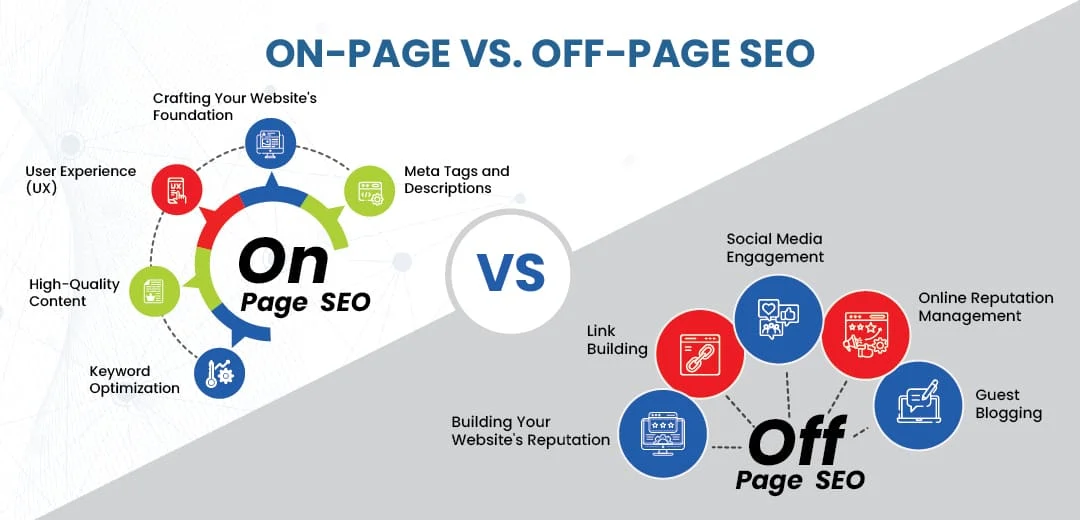
On-page search engine optimisation will make sure that every page is search engine optimised and will not compromise the medical integrity. This includes:
Any medical claim should be backed up by authoritative sources, including clinical trials, published research or accepted health officials. The key to the pharma SEO is to balance optimisation and compliance.
Backlinks have been a powerful ranking metric, particularly in the healthcare-based sector. In the case of pharmaceutical companies, volume is more important than credibility.
Good backlink techniques comprise:
University, medical journal, and other sources of accredited healthcare links contribute to domain authority in a great way.
Google values E-E-A-T in the healthcare and life sciences sector, such that pharmaceutical websites should show:
The emphasis on author credentials, the references to credible studies, and transparency contribute to establishing trust in the search engine and confidence in the user.
Schema markup (structured data) enables search engines to learn more about what you have to offer. In the case of pharmaceutical websites, the search position can be improved by structuring the data of type Drug, MedicalCondition, and MedicalWebPage.
Adequate implementation of the schema can:
Schema markup enhances technical SEO and increases general search performance when properly applied.
Final Conclusion
Pharmaceutical SEO is not simply about striving to get high search results but establishing trust, credibility and obedience in a very strictly controlled business. Pharma companies should be structured and strategic in their use of SEO because of the maintenance of medical accuracy, reaching the right patients, professionals in healthcare, and distributors with the right content.
The highly optimised and regulation-ready site will be a fierce competitive edge as the necessity of conducting more healthcare-related decisions online emerges. Dwelling upon the audience segmentation, high-quality content, technical SEO, E-E-A-T, and authoritative backlinks, pharmaceutical manufacturing companies will become more visible, build authority, and attain long-term digital growth.
Copyright © 2026 All Rights Reserved By Arsh Infosystems.
Reviews On 
Years experience
Satisfied clients