Komal Saim May 22, 2026


Komal Saim May 22, 2026
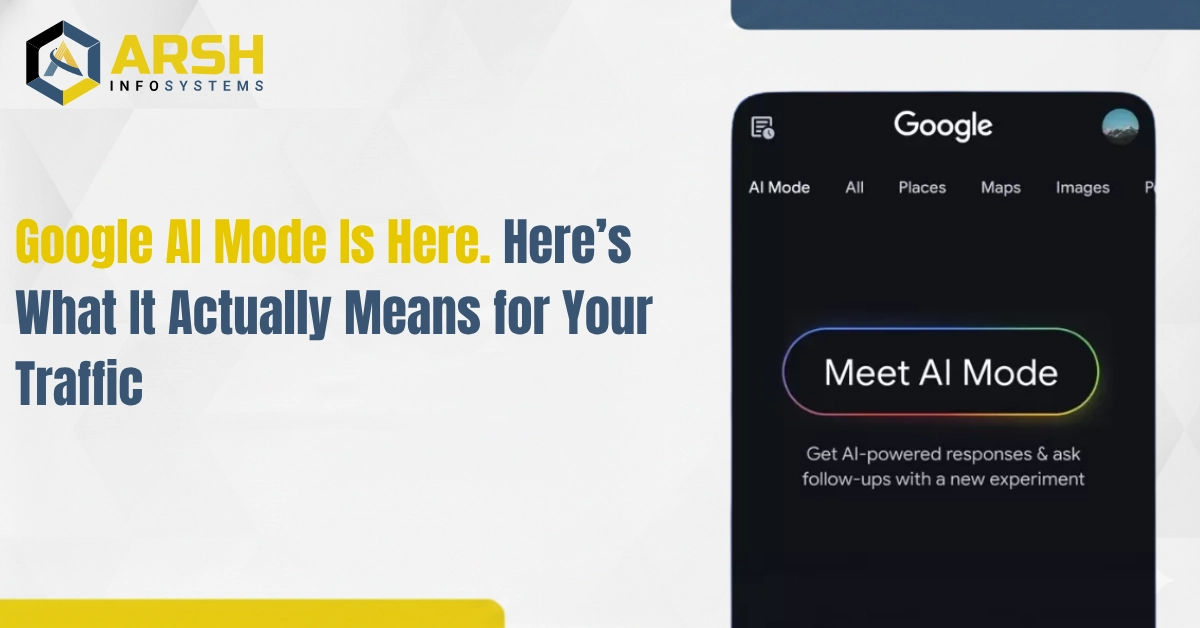
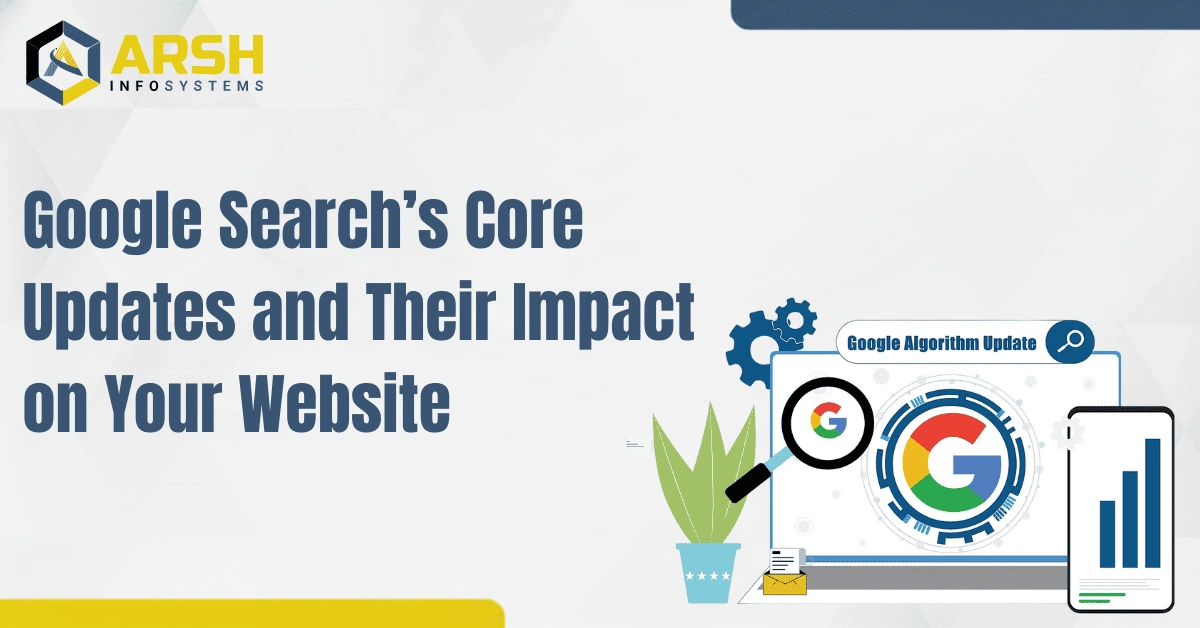
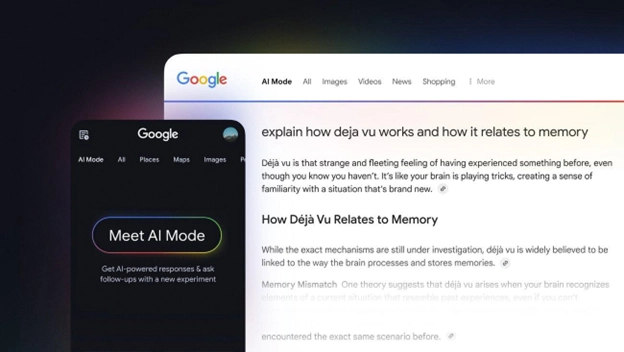
In contrast to featured snippets‚ Google's AI Mode‚ including AI Overviews and conversational search‚ displays a complete answer based on multiple trusted sources prior to presenting customary search results‚ rather than simply displaying an excerpt from one webpage․
However‚ not every search result requires assistance from AI Mode․ This is determined by user intent․
Examples of times AI Mode appears:
Instead‚ with AI Mode‚ it's less likely to dominate:
The most important takeaway is that Google AI Mode doesn't decrease all traffic․ While informational queries are most affected‚ transactional‚ local and high intent queries still favor customary SERPs․ Businesses with content targeting search intent still have higher rankings in organic query results․
Keep in mind that not every piece of content on your site appears on Google AI search experiences․
If most of your traffic comes from informational articles:
…then your organic traffic may be more vulnerable․
Because these generally have short‚ easy-to-summarize answers․ This allows Google's AI to pull from multiple sources to generate a response for a question without the user having to click on individual web pages․
Its impact appears largest on purely informational content with no service‚ product‚ or conversion intent behind it․ It is not just a content quality issue․ It is a shift in search․
For generic information‚ this kind of publishing may soon be less fruitful․ Instead‚ businesses may consider content that is proprietary expertise‚ deeper insights‚ real-world experience‚ or meaningful commercial intent‚ in which AI summaries would be less likely to replace human decisions with more clever next best actions․
Most concern over Google AI Mode comes from publishers and media websites‚ where the main revenue source is audience size and traffic volume․ For agencies‚ consultants‚ professional service firms‚ and local businesses‚ the changes are less impactful․
Here’s why
For example typical top of funnel queries such as "what makes a good business website?" or "what to look for in a web design agency?" are general and often easily answered questions that in many cases do not require an user to visit a website․
But if queries manifest themselves in a more actionable‚ intent-based‚ narrowing fashion e․g․ "web design agency for manufacturing"‚ "SEO company near me"‚ or branded queries like "agency reviews" and "portfolio"‚ that is where AI will matter less as people are looking for businesses‚ trust‚ pricing‚ reviews‚ and how to contact them․
This is an advantage for service-oriented businesses․
Additionally‚ the traffic that was most penalized by AI Mode was often low intent‚ research-stage traffic that may not have ever converted to a lead in the first place․ The traffic that remained was better qualified high intent traffic that was closer to conversion․
So while your overall traffic numbers may fluctuate‚ you may find the quality of your leads and their rate of conversion become even better by positioning your website around trust‚ expertise and intent․
SEO has long advised to "build authority"‚ but under AI search‚ authority has particular importance‚ as a proxy for quality․
In response to a query‚ Google's AI typically prioritizes information sources with a reputation for trustworthiness‚ expertise‚ and topical relevance‚ as opposed to less authoritative options․
This typically includes:
Websites that gain backlinks from credible‚ industry-related websites
Businesses and authors possessing a solid reputation and strong trust signals aligning with Google's E-E-A-T principles (Experience‚ Expertise‚ Authoritativeness‚ and Trustworthiness)
Content that is well structured for both users and search engines with sub-headings‚ schema markup‚ frequently asked questions (FAQs) and semantically related content
Quick mobile-friendly pages that provide a good user experience and reflect the overall quality of a site
One of the major changes is that visibility is no longer simply measured by clicks․
While there is no direct referral traffic from AI tools‚ being included in AI Overviews can lead to brand recognition․ If your brand comes up frequently in AI-generated responses‚ users may become more familiar with it the more they see it․
This is why depth of information is more important than the amount of content: a website that contains deep‚ interrelated information about a subject is seen as more credible than a website that targets unrelated keywords to drive traffic to an otherwise empty site․
Google AI Mode not only reshapes search ranking‚ but it also affects the way websites are built and structured․
When building citation finding AI‚ it's important to keep in mind the way it actually interprets your pages because it's not the same way a human would․ It looks for clarity‚ logical structure‚ trust signals and extractability․
Clear structure and readability
Page headings should follow a logical order (H1‚ H2‚ H3) and summarize the content․ Schema markup‚ semantic HTML‚ and short introductions also help AI understand page content․
High value content‚ minimal filler
AI is looking to get clear answers quickly‚ so avoid long introductions‚ weak justifications‚ and lengthy conclusions that don't provide value․ Specific‚ informative content‚ it tends to perform better․
Strong trust and expertise signals
Creating a sense of trustworthiness‚ or credibility‚ adopts a range of techniques including authorship‚ case studies‚ citations‚ currency‚ customer reviews‚ and third-party business credentials; unproveable claims are less trusted․
Technical website performance
Fast-loading‚ mobile-optimized‚ and stable webpages create a better user experience and a stronger quality signal․ Core Web Vitals and clean technical performance are still important․
The nub of it is simple: SEO best practices have not changed‚ but AI search has made them imperative․
Instead‚ businesses need to improve and deepen their existing digital offerings to remain relevant and competitive in an AI-driven search ecosystem‚ rather than simply creating more online content․
You can start by going to your top-performing pages in Google Search Console and seeing which search intent (information‚ commerce‚ transaction‚ or navigation) brings traffic to each page․ Most at-risk pages from AI-generated search responses are pages that are mainly informational․ Identifying these pages reveals your greatest opportunities and greatest challenges․
Develop things that require original thought or expertise‚ not just post-aggregated data that AI can generate․ Examples include case studies‚ client testimonials‚ original thinking‚ industry knowledge‚ local service pages‚ or internal/external processes․ When everyone can use AI to create content‚ things that require real-world experience and unique value become the most important․
Instead of generic blog posts‚ add expert commentary and author bylines‚ implement structured data‚ improve readability‚ fix broken links‚ and optimize for page speed to existing content to give it an increase․ You can even add new proof points‚ examples‚ or case studies to your existing content․ Tightening existing authority is often more effective than regularly offering low-value content on a topic․
Branded searches may not be as influenced by AI-driven answers that directly address a search request․ After all‚ people searching for your brand know what they want․ Optimizing your trust factor as well as your visibility factor through reviews‚ testimonials‚ public relations work‚ social proof‚ reputation marketing‚ etc․‚ will get people seeking you․
Google traffic alone is not a good long-term business strategy․ Diversifying your sources of traffic by building email‚ social‚ video‚ referral‚ and paid traffic‚ as well as investing in direct brand awareness‚ is a healthier long-term business strategy․ A diverse marketing strategy can allow a marketer to remain profitable and relevant despite future changes to search engines․
AI-powered search could disrupt discovery‚ but businesses with strong expertise‚ well-established brands and multiple traffic sources should thrive regardless of how the industry evolves․
Google AI Mode doesn't mean the end of SEO or organic visibility‚ but it will change the way search works․ The biggest change may be how businesses create and deliver content‚ structure their site and grow online․ While generic informational content may be devalued‚ businesses that focus on expertise‚ trust‚ brand authority and high-intent user journeys will thrive․
For service-based businesses in particular‚ this can actually improve lead quality because you weed out the non-intent traffic and in turn are left with users that are further along in the decision making process․ The companies that will win in the new world will not be the companies with the most content‚ but the companies with the most trusted‚ useful digital footprint․
Copyright © 2026 All Rights Reserved By Arsh Infosystems.
Reviews On 
Years experience
Satisfied clients