Komal Saim Jan 06, 2026

Komal Saim Jan 06, 2026
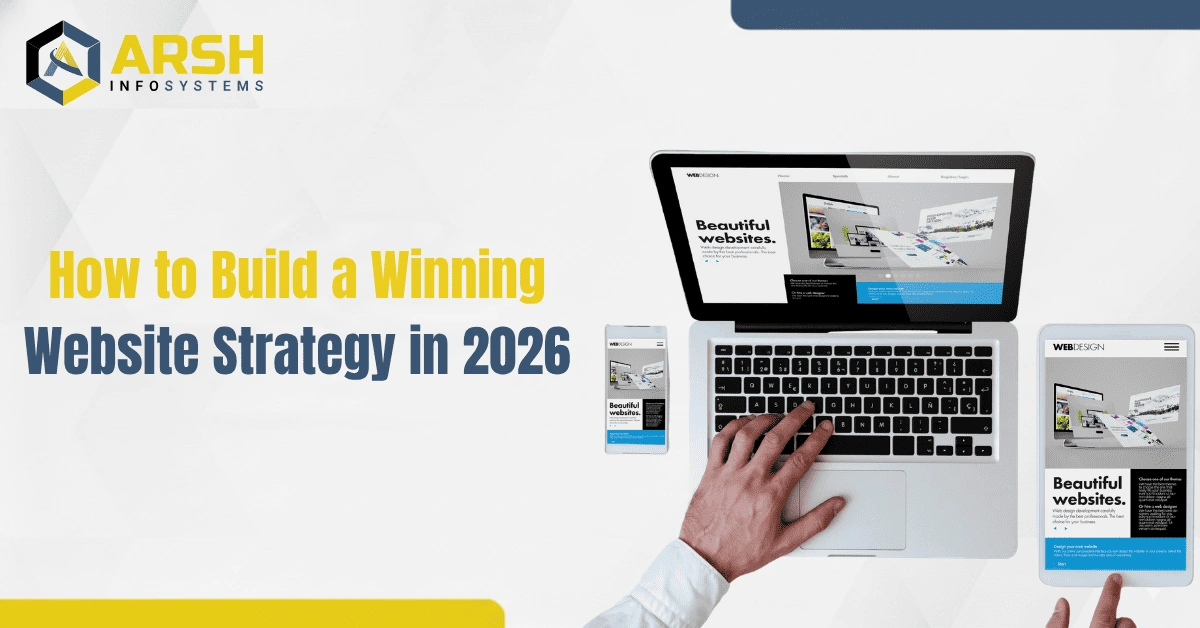
A site in 2026 is no longer about having appealing web design, but making it smart to get people to where they need to go and get them to trust it and make them become customers. Due to the growing digital competition and decreased attention spans, users demand websites to be fast, intuitive and meaningfully engaging in the first interaction. Unless your web design helps convey value fast, users will leave without a second thought.
The web design of 2026 is much more than colours and design. It is concerned with clarity, speed, personalisation and an emotional connection whereby users can easily comprehend what you are saying and act. All design components, such as navigation and typography, CTAs and visuals, contribute to the development of the user experience. A properly designed web design not only informs the users but also guides them in strides towards conversion.
The current generation of users desires websites to be stress-free and natural. No more clean layouts, rational content flow, mobile-first web design, and performance optimisation are no longer a choice but a necessity. The companies will need to re-strategise the way their websites operate, look and speak on all gadgets to satisfy these requirements. Aligning the web design with the behaviour of the user will result in trust, less friction and more engagement.
Today in this blog, we are going to discuss the best web design trends of 2026 that aim at the user-centric web design approach. These trends assist brands in developing uninterrupted digital experiences, better usability and eventually, better conversion rates in an ever-increasing competitive online environment.
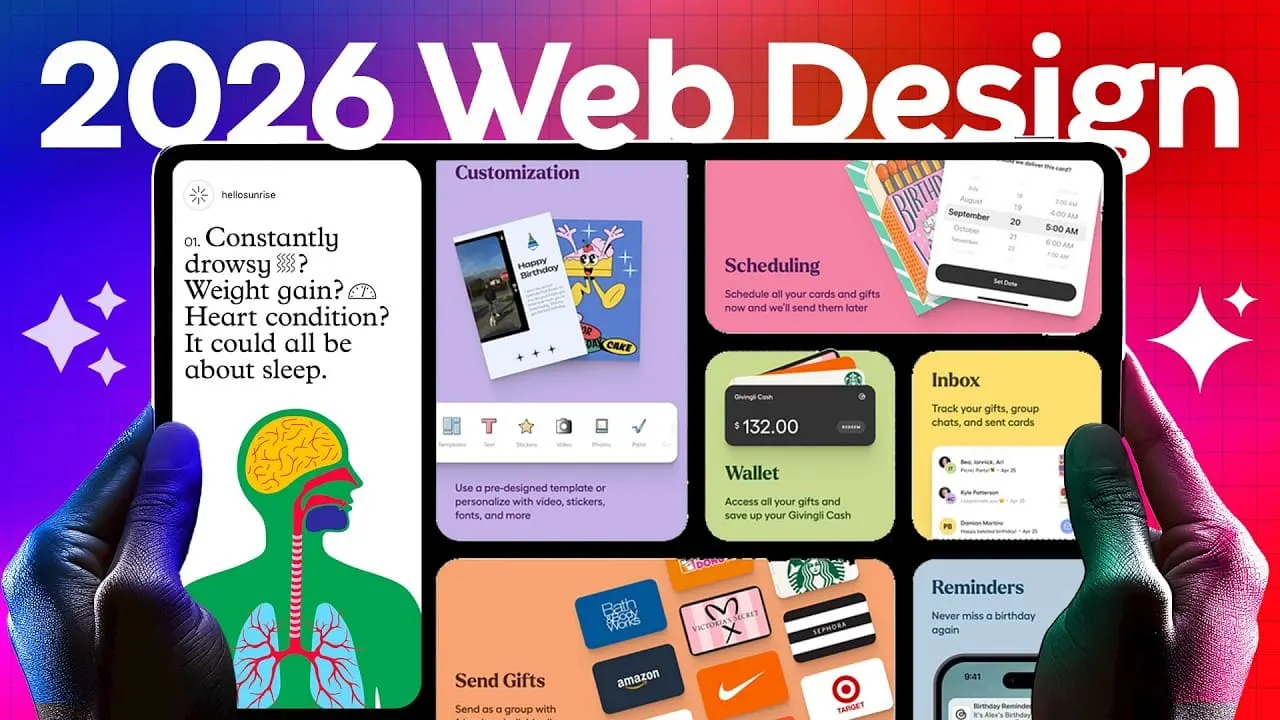
The introduction a user makes with your brand is probably the first thing that the user views on your site and first impressions do count a lot. Research indicates that a visitor makes up his/her mind about a website within 2-3 seconds. In case your web design seems old, messy, or confusing, it is possible that the user will leave you right away and you will lose a prospective lead and sales.
That is why it is important to keep abreast of the trends in the design of websites. It is not just a matter of aesthetic trends that are modern, but a matter of a smooth flow that facilitates users into action. A well-crafted website fosters trust, conveys your brand value to the visitor and makes the visitor want to interact.
Adherence to the most recent web design trends is a guarantee that your site:
Good web design is, in an actual sense, a conversion tool. It is not only about being handsome but also about creating experiences that lead the user, create confidence and the visit is measurable and contributes to business growth.
The future is luxury in 2026. Users are no longer interested in flashy effects and too complicated images that are not focused on the central message. They instead demand easily-scannable websites, easy to navigate and customer-based websites. This is the place where human-first layouts are involved.
Human-first web design is a strategy that prioritises the user experience. All components, the text, pictures, buttons and space are well crafted to ensure that the visitor experiences a natural and clean ride. It is a matter of foreseeing the behaviour of the users and eliminating hindrances that might lead to confusion or frustration.
The main concepts of human-first layouts are:
The human-first design method not only makes websites cleaner but also makes them better performers. Users know they are being heard, have confidence in your brand and will tend to remain, browse and act. Simply put, this practice would make a webpage not a static one but a conversion-focused one.
Artificial intelligence (AI) is changing web design in 2026, turning websites into smarter and user-centric ones. However, subtlety is the essential ingredient here; people do not want to see pop-ups or pushy suggestions, they seek experiences that are understandable and intimate.
AI enables websites to provide the correct content to the correct individual at the correct moment and improve customer interactions and increase the level of conversion.
Personalisation using AI may be in numerous ways:
The power of AI in web design is that it operates on the back-end, developing an individual experience without filling the user with content. Visitors, in this case, when they feel that the site knows them and what they need, it builds trust, inspires action and conversely, will lead to conversions.
Through the smart use of AI, companies will be able to develop websites that are not only aesthetically appealing but also intellectually stimulating, approachable, and human-like, a feature that customers like and will react to in 2026.
Storytelling is a fundamental technique of designing websites in 2026. It is no longer only about creating compelling content; it is a whole story of your entire site reaching people towards curiosity and conversion. A carefully planned site employs narrative to engage its audience emotionally, create trust and the action plan to follow is easy and attractive.
Storytelling is also a potent tool of web design as it creates a journey. Storytelling breaks down content and graphics in a way that is intuitive and engaging to users as opposed to bombarding them with facts. With a visitor, they tend to spend more time, see what you have to offer and take action more when they feel like a part of a story instead of selling.
A powerful storytelling design generally takes the following direction:
Through storytelling in web design, the brands can make otherwise Newspaper-like pages become interactive. Users feel appreciated, build trust in your brand, and are automatically driven to conversion. Essentially, a website becomes a narrative experience with each click having a purpose through storytelling design.
The minuscule fixtures of a design can at times produce the largest effect on the user experience. Micro-interactions refer to small animations or feedback effects, through which the user is guided and made to feel the interaction is natural. This can be button hover effects, loading indicators, progress indicators or small pop-up tips.
Micro-interactions do not just exist in the decorative sense in 2026; they are functional devices that enhance conversions. They assist the users to be aware of when an action is finished, the next step to undertake or where to pay attention.
Advantages of micro-interactions in web design are:
Considering considerate micro-interactions, websites can be made more intuitive, enjoyable and conversion-friendly, making the process of simple browsing more guided.
Mobile-first design has ceased to be an option; it is a necessity. By accounting for more than half of all web traffic, mobile devices have made mobile-specific web design an important aspect of web design. It is not enough to just put a desktop site in a mobile size, the experience must be adjusted to be touch-friendly, smaller screen and quick.
The major mobile-first trends of 2026 will be:
The smooth mobile-first experience enhances interaction, decreases the bounce rates and eventually increases conversions; thus is an undeniable component of the contemporary web design.
Conversion is based on trust, particularly for B2B websites or service oriented business. Trust signals are not located in the footers or on the sides anymore, but they are intrinsically part of the web design and this generates credibility in the web design without disrupting the user experience.
The elements of trust-building can be effective; they can include:
The site must convey the message of trust through visual and structural means and this will make the users feel safe, which will lead to increased engagement and conversion rate of conversion.
The concept of website performance has become a part of the design strategy. In 2026, slow websites do not merely appear frustrating, but down to conversions and damage SEO rankings. Speed is considered a design aspect of the modern web design rather than a technical measurement.
Focus areas include:
Quick websites enhance positive user experience, create trust and have a direct influence on the conversion rates, so speed is a fundamental consideration of the modern web design.
Inclusive web design makes your website accessible to all, including the disabled users. There is no legal or ethical necessity to access, but a conversion opportunity in 2026. The availability of websites will support a wider audience, build trust and enhance satisfaction during use.
The most important accessibility features are:
Accessible websites show concern toward all users, increase the overall experience and simplify the process so that everyone is able to be involved and converted.
Conclusion
In 2026, web design is not only about the looks. It is all about the design of intuitive, trustworthy and conversion-optimising experiences. Each design choice of layout and navigation, AI personalization and interactive visuals contributes to user navigation and manipulation of it.
With the adoption of human-centred design, AI-generated customisation, mobile-first design, performance-oriented approach and new trends in visual design, companies can make websites that not only appear stunning but also achieve concrete outcomes.
Copyright © 2026 All Rights Reserved By Arsh Infosystems.
Reviews On 
Years experience
Satisfied clients