Komal Saim May 8, 2026


Komal Saim May 8, 2026
In B2B‚ retargeting or remarketing plays a vital role in engaging the high intent sales leads and staying in touch with them through an extended sales cycle․ The Mumbai market is competitive․ When leads are comparing multiple vendors‚ your brand must be front and center at every stage of their prospect journey․
Just as Amazon and other marketplaces send reminder emails about abandoned carts or viewed products‚ B2B marketers implement remarketing campaigns to achieve similar objectives․
As an SEO Company in Mumbai‚ we use targeted PPC advertisements using display retargeting techniques and bring back users who have previously shown interest in your website‚ service page‚ social media page‚ or any digital property of yours through Google Ads and LinkedIn․ Your brand is never forgotten by key decision-makers․
Retargeting allows us to increase conversions because our marketing is focused on the long-term relationship building and confidence in the brand that follows․ Remarketing serves ads to the right leads at the right time․ It allows us to retain potential customers who otherwise would be lost and improves ROI‚ allowing for faster growth․
Retargeting
Retargeting is one of the best ways to convert customers who were already interested in your business․ They may have visited your website‚ viewed a product or service‚ added it to their shopping cart‚ or signed up for a demo․ Whatever the case‚ they're already familiar with your business․
In retargeting‚ marketers will instead seek to reach that user again through other channels‚ such as display‚ email‚ or SMS and encourage them to return and complete a conversion․ For example‚ marketers may send a follow-up email to an user who started the purchase process but abandoned their cart‚ or send a display advertisement for the product they were looking at․
Retargeting can happen based on actions that users take on your own site‚ like visiting a specific page‚ or off your site‚ on another website the user browses․ Off-site interactions occur when prospects interact with your brand on third-party platforms through actions like liking and commenting or watching demo videos․
Businesses also utilize tracking pixels and APIs from technology platforms such as Meta to implement retargeting‚ passing user actions and conversions back to the advertising platform through these tools․ This data is then used to create audiences and optimize ad campaigns․
With privacy regulations becoming more common and third-party cookies being deprecated‚ businesses are increasingly turning to server-side tracking options such as Conversion API‚ as these provide more reliable data in a privacy-compliant manner․
Remarketing
Remarketing is a type of online marketing that helps you reach out to customers who are no longer engaged with your business or have not purchased anything from you in a while․ It reminds customers about your product or service and encourages them to return to your business and take action․
It enables businesses to communicate with their customers‚ stay top of mind and encourage repeat purchases via email marketing‚ display advertising‚ retargeting advertising and other formats such as discounts and coupons․
For example‚ if a manufacturing company came to your website to check out your industrial products or services but didn't reach out to you about their needs․ Then‚ you can keep contacting them with remarketing ads‚ emails‚ and business marketing offers to remind them about your industrial business and possibly convert them into long-term customers․
Retargeting‚ or the online marketing technique known as remarketing‚ uses digital advertising to keep your brand and product in front of users who have previously engaged with your website‚ ad‚ social network account or mobile application․ Retargeting typically seeks to draw the prospect back to the brand website to purchase‚ inquire‚ or book a job‚ for instance․
This initially involves collecting data about the behavior of customers‚ such as the websites they visit‚ products they browse and purchase‚ advertisements they click on‚ forms they fill in and shopping carts they abandon․ Businesses use tools such as tracking pixels‚ cookies and analytics software to collect such data․
After the data has been collected‚ marketers will segment the audience into different interest groups depending on the audience's behavior‚ e․g․ one group could be those who went to a service page‚ another group could be those who clicked on an ad but did not complete conversion․ This helps organizations target their digital marketing efforts appropriately․
Finally‚ the data is stored in a customer data platform (CDP)‚ customer relationship management (CRM) system‚ or a marketing automation system and can be used by marketers to better organize customer data and run more personalized marketing campaigns in Google Ads‚ Facebook Ads‚ Instagram Ads‚ email marketing‚ and other digital channels․
The technology of digital marketing allows businesses to provide their ads‚ offers‚ and messages to the right people‚ at the right time‚ with greater engagement‚ better conversion rates‚ and more meaningful and lasting customer relationships․
Retargeting‚ or remarketing‚ is an online advertising tactic that seeks to reconnect with users who have previously visited an organization's website or app․ Brands can display ads and messages to previous visitors to drive conversions and improve engagement․
Cart abandonment campaigns help companies recapture sales after a customer adds an item to their cart‚ but does not go through with making a purchase․ Retargeting ads‚ emails‚ or push notifications can refer the customer back to the original cart‚ allowing them to go through with the sale․
An example of using a reminder email would be an e-commerce business sending product details‚ time-sensitive deals or delivery information to customers to drive them back to a website to purchase goods or services․
Dynamic ads serve a product or service to web users based on their browsing habits and therefore allow businesses to provide more targeted advertising without creating an ad for every product․
For example‚ if an user visits a website and views some products‚ later on the user may see these products or similar products as the user browses on other websites‚ such as Google‚ Facebook‚ and Instagram‚ allowing businesses to display relevant advertising․
Re-engagement campaigns are a marketing strategy to bring back people that decreased or stopped using a business's product or service‚ convincing users to interact with a brand again‚ and increase long-term customer value․
It is commonly seen in subscription-based services․ The user receives emails‚ updates‚ or notifications that are intended to promote the service or entice the user into returning․ This may be useful for customer engagement and retention over a long period․
Remarketing is a digital marketing practice where businesses re-engage existing customers‚ inactive customers and past customers with targeted adverts to increase customer retention‚ the repeat purchase rate and the customer lifetime value․
Win-back campaigns target customers who have abandoned a product or service․ Companies will attempt to win back the defector by contacting them via email‚ ads‚ SMS‚ or special offers to encourage a return․
For example‚ a subscription business could send a discounted price‚ a free trial or a limited time offer to inactive users to get their attention and bring them back․
Loyalty programs are often used to retain customers by encouraging purchases and long-term action through common benefits such as bonus points‚ discounts‚ or member privileges․
Once customers have been acquired‚ remarketing channels such as email marketing‚ SMS marketing and in-app marketing can provide current customers with tailored deals based on their previous purchase history and preferences․
Upsell campaigns involve encouraging people to upgrade to a higher priced product or service․ The purpose of an upsell campaign is to increase customer lifetime value and revenue per customer․
A manufacturing software company might upsell multiple seats‚ additional functionality‚ or automation features to business accounts which can increase productivity‚ reduce costs‚ or drive growth by targeting those accounts with personalized emails‚ LinkedIn ads‚ and account-based marketing (ABM) programs that explain the benefits of upgrading to a premium plan․
For consumers‚ remarketing can improve relationships and lead to greater retention and profitability for the business over time through tailored marketing communications․
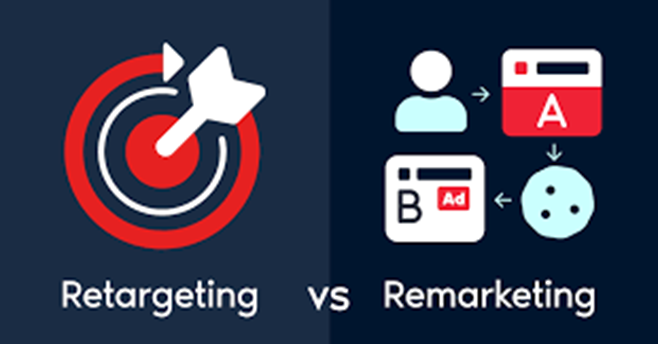
Retargeting and remarketing are online marketing strategies that allow businesses to reconnect with potential customers and gain a competitive edge․ The major difference between them is that while retargeting seeks to direct an interested visitor back to the website through ads and web interactions‚ remarketing seeks to build long-term customer relationships via customized communications․
Due to the longer and more touchpoint-heavy B2B buyer journey‚ using such strategies can help to raise awareness‚ generate quality leads and improve conversion․
With Google Ads‚ LinkedIn Ads‚ email marketing‚ CRM automation and hyper-targeted audiences‚ you can be in front of prospects at every stage of the buyer journey․
At Arsh Infosystems‚ we help our clients run successful retargeting and remarketing campaigns‚ turning the digital medium into a real business growth driver․
Copyright © 2026 All Rights Reserved By Arsh Infosystems.
Reviews On 
Years experience
Satisfied clients