Komal Saim May 16, 2026


Komal Saim May 16, 2026
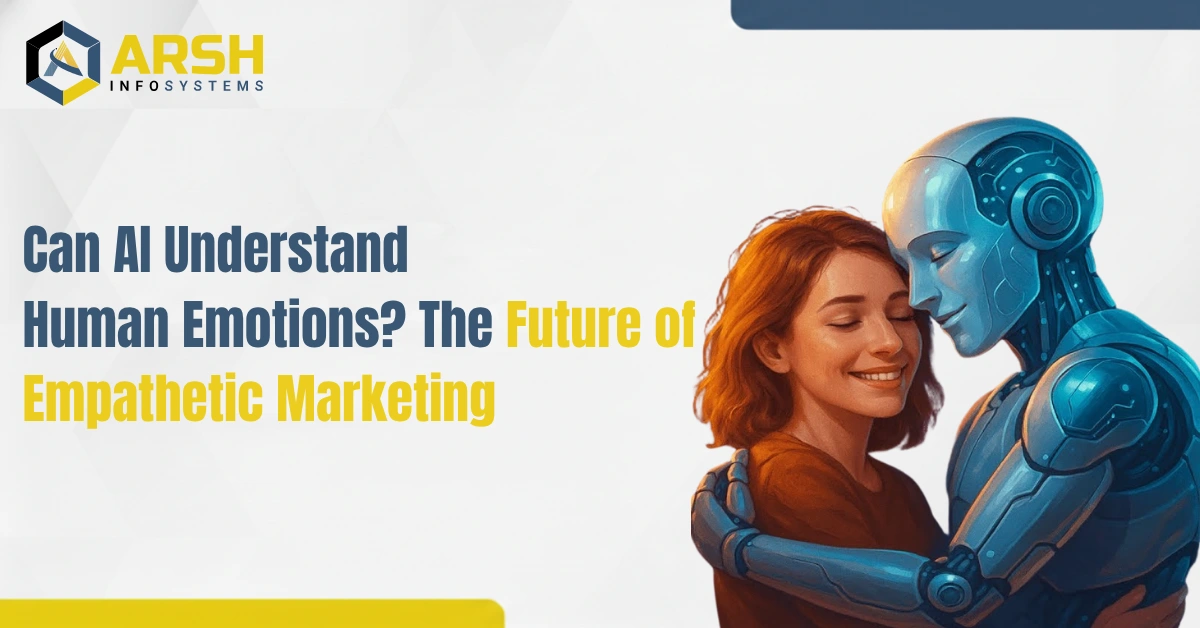
Emotional attachment has always been a key factor when it comes to consumer-brand relationships․ Emotions such as trust‚ happiness‚ nostalgia‚ and excitement affect consumers' purchase decisions before product attributes or price․ That is why emotional marketing is so important to developing long-term relationships with customers and making the brand experience memorable․
Now‚ with artificial intelligence‚ companies can analyze consumer behavior patterns‚ what they engage with‚ their history with the brand‚ and how their digital footprints interact with the company's online presence‚ rather than simply going on the gut feeling or the experience of the person in the room․
Artificial intelligence is giving marketers more opportunities to create personalized campaigns‚ considerate content‚ and smarter customer experiences․ With tools to analyze customer sentiment and anticipate customer needs‚ marketers can ensure their messages are more relevant and timely․
And while AI can identify data patterns‚ or even emotions‚ no form of artificial intelligence has yet possessed creativity‚ empathy‚ and authenticity in storytelling․ The best marketing marries the intelligence AI brings with the empathy humans bring to marketing․
As a leading social media marketing agency in Mumbai‚ at Arsh Infosystems‚ we understand that marketing is not about reaching as many people as possible but about reaching the right people and building genuine connections․ With a combination of data-driven insights‚ creativity and audience understanding‚ we create campaigns that humanize brands and make them more relatable to the right audience․
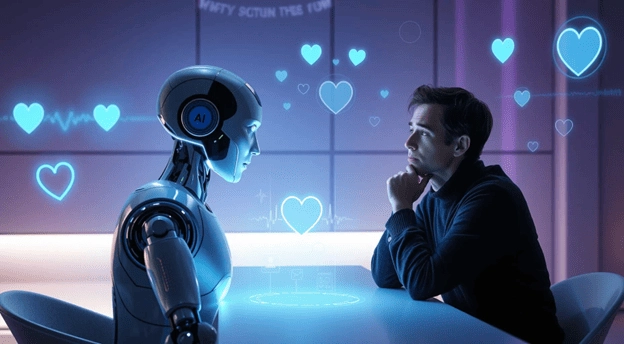
Emotional marketing refers to marketing that is aimed at an individual's feelings rather than their logical thinking․ Rather than focusing on pricing or specifications‚ emotional marketing's goal is to sell a product or service to an audience by letting them know that they are understood‚ appreciated and part of a larger whole․
Feelings influence decision-making‚ with emotions such as trust‚ happiness‚ nostalgia‚ excitement‚ and belonging often having a greater influence on buying behavior than rational thought․ More specifically‚ when brands bond with their audiences‚ they create stronger relationships with them‚ and create better brand recall and brand loyalty in the process․
Many successful international branding campaigns have utilized emotional storytelling‚ with advertisements built around human experiences‚ relationships and emotions having a lasting effect on people after the ad campaign is finished․ Emotional marketing is effective because consumers remember how a company made them feel rather than what it sold․
Today‚ brands also use AI-driven insights to analyze audience interaction patterns‚ customer's response to brand messaging‚ and social media engagement to create relevant‚ personalized‚ and meaningful campaigns for their target audience․
The technology behind artificial intelligence allows brands to gauge customer emotions and interactions more accurately․ Next-gen analytical tools can discover an audience's habits‚ engagement‚ tone of voice‚ content interaction and customer feedback‚ giving a stronger sense of a customer's emotional state than customary marketing․
Brands no longer have to guess how their audience is responding to campaigns but rather have access through AI to understand how to craft their messaging‚ content strategy‚ and experiences for better alignment with the interests of their target audiences․
Another field for Emotion AI is digital marketing‚ where the brands would be able to understand the intent and emotion behind their communications‚ and optimize by identifying the content that drives trust‚ excitement‚ or stronger engagement with the audiences to improve their marketing campaigns․
Arsh Infosystems‚ the best social media marketing agency in Mumbai‚ provides AI-based insights and tells unique stories to provide deeper‚ more effective social media marketing services․ Instead of just building visibility and engagement‚ we create true brand connection‚ allowing businesses to connect with their audiences and foster deeper relationships for lasting results․
Leading B2B companies‚ including HubSpot and Salesforce‚ integrate AI-driven personalisation functionality․ Leveraging these capabilities‚ they are able to build customer relationships by understanding each customer's actions and experiences through their browsing history‚ engagement history‚ and interactions with the business‚ among other factors․
AI-driven personalisation enables businesses to deliver more human-like experiences and less machine-like experiences by tracking how consumers browse the web‚ for example‚ to then provide real-time content‚ product recommendations and marketing messages that align with individual customer interests and preferences․
Given the expectation by consumers that brands know their wants and needs and offer personalized experiences‚ AI is used to personalize the experience based on usage and interest․ This results in better engagement and customer experience․
While AI can generate insights and intelligence‚ real connections need human empathy and creativity․ Technology alone can't build emotional connections without brands knowing what customers feel‚ think and desire‚ according to Johanna Bockfeld‚ the Interactive Advertising Bureau's executive director․
This is where empathy mapping comes in‚ as it allows brands to understand how their audience thinks‚ what they feel‚ need‚ and expect from a product․ It allows marketers to discover emotional triggers‚ pain points and behavioral patterns that influence customer choices․
Emotional branding makes brands sound more human to the people they want to be talking to․ It includes the tone of voice in their content‚ their visual storytelling‚ their message‚ and their branding․ Emotional branding seeks to make their audiences feel they matter rather than just being targeted․
When brands apply empathy and creativity to AI-derived insights‚ marketing becomes more human‚ meaningful and impactful․
The thing about AI is that it can analyze data to identify emotion‚ it can analyze patterns of response from customers‚ it can predict the outcome of a specific action or situation‚ but it cannot feel because feelings are more than just recognizing patterns and interpreting the calculations․
Human affect is determined by lived experience‚ culture‚ context and social behavior․ Whereas AI can collect and analyze large amounts of behavioral data‚ it does not have the same sensitivity to emotional depth‚ nor can it share the understanding of individual experiences that humans have․
But creativity and human emotional intelligence will always be needed․ AI is best used to help brands make decisions‚ understand audience behavior and animate personalisation in meaningful ways to consumers․ But storytelling‚ empathy and emotional pacing are traits found naturally in humans․
The future of emotional marketing will be based on creating experiences that integrate AI-powered intelligence with empathy to feel personalized and genuine․
Consumer-centric advertising will shift to human-AI co-creation‚ reaching audiences through meaningful experiences as today's customers rely less on sales speech from the brands they buy from‚ and more on understanding and identifying brands as relatable‚ authentic‚ and people who can be trusted․
Insights generated by AI will allow brands to better understand the needs and motivations of consumers‚ creating more personalized‚ relevant and emotionally impactful ad campaigns․
As emotional targeting gets more popular and AI advertising becomes the norm‚ the ethical implications of these practices are coming under more scrutiny․ Consumers are more aware of the data businesses track about them and therefore companies should focus on transparency‚ privacy and the responsible use of customer data․
The next phase of the advertising industry will not be determined by automation or machine learning․ It will be defined by the brands that create long-term relationships with their customers through technology‚ empathy‚ creativity and ethical messaging․
Artificial intelligence is changing the way brands understand and connect with their audiences. From analysing customer behaviour to delivering personalised experiences, AI is helping marketers create campaigns that feel more relevant, timely, and engaging. However, even with advanced technology, genuine emotional connection still depends on human empathy, creativity, and authentic storytelling.
The future of empathetic marketing will not be about replacing human emotions with AI. Instead, it will be about using AI as a tool to better understand audiences while keeping communication meaningful and human-centred. Brands that successfully combine data-driven insights with emotional intelligence will be able to build stronger trust, deeper engagement, and long-term customer relationships.
Copyright © 2026 All Rights Reserved By Arsh Infosystems.
Reviews On 
Years experience
Satisfied clients